
Charlotte Tilbury
Charlotte Tilbury Wholesale Products
Review available wholesale inventory for this brand in a compact sortable list.
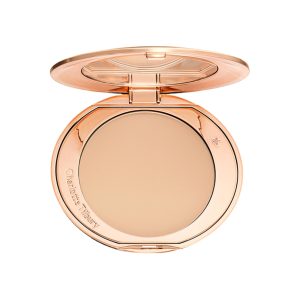
To source Charlotte Tilbury wholesale in the USA, start with a product-level request not a generic brand inquiry. Ask each supplier to confirm the exact SKU, shade, size, quantity, packaging condition, case pack, lot or batch information, invoice terms, shipping origin and channel restrictions before comparing landed cost.
Charlotte Tilbury Wholesale: How to Evaluate Distributors in the USA
Finding Charlotte Tilbury wholesale inventory is only the first step. A dependable B2B purchase depends on the exact products offered, the seller’s relationship to the stock, packaging condition, traceability, documentation, payment terms and the rules of your resale channel. A low unit price is not a useful comparison if the shades are unsuitable, the cartons are damaged or the paperwork does not meet your receiving requirements.
For retailers, ecommerce sellers, beauty stores and export buyers, the best approach is to compare Charlotte Tilbury distributors in the USA at SKU level. Request a written manifest and evaluate the complete landed cost—not just the headline price.
BUYER TAKEAWAY
A serious wholesale quote should identify what is being sold, how it is packed, what condition it is in, which documents accompany it and what commercial restrictions apply.
“Distributor” is a business role—not automatic proof of brand authorization
The terms distributor, wholesaler, supplier and liquidator are often used loosely in B2B beauty. They can describe different sourcing relationships. An official brand-appointed distributor may have direct authorization, while an independent wholesaler may acquire genuine inventory through other legitimate channels. The word “distributor” by itself does not prove either model.
If official authorization matters to your store, marketplace account or territory, ask the seller for current written evidence and confirm its scope. Check the legal business name, the products covered, the sales territory and the validity period. Do not rely on a logo, a directory listing or a verbal assurance alone.
This distinction protects both sides. Buyers can set the right documentation standard, and sellers can describe their role accurately without implying a brand relationship that has not been established.
Start every order request with a product-level manifest
“Charlotte Tilbury makeup in bulk” is too broad for a useful quote. Color cosmetics are shade-sensitive, gift sets may change by season, and similar product names can have different sizes or formats. The request should be specific enough for the supplier to match inventory without guesswork.
| Confirm | Request detail |
| Product identity | Exact name, SKU or barcode |
| Variant | Shade, finish and size |
| Quantity | Units by SKU or shade |
| Packing | Case pack and carton count |
| Condition | Retail box, seals and labels |
| Traceability | Lot or batch details |
| Commercial terms | Price basis and payment |
| Logistics | Ship-from point and destination |
The official Charlotte Tilbury shopping pages organize products across makeup, skincare and complexion and feature lines such as Pillow Talk, Airbrush Flawless Finish, Hollywood Flawless Filter, Charlotte’s Magic Cream, Beauty Light Wand, Matte Revolution and setting sprays. Even a broad bulk-makeup inquiry should use the current official catalog to confirm naming before a purchase order is issued; do not depend on an old spreadsheet or shorthand product description.
Build the opening assortment around the resale channel
The right opening order is not the same for every buyer. A compact, intentional assortment usually produces cleaner merchandising and reordering data than a broad mixed lot.
- Beauty boutiques: begin with recognizable lip, complexion and gifting products, then widen the assortment after measuring local demand.
- Ecommerce stores: prioritize accurate variant data, scannable barcodes, retail-ready packaging and images that match the exact item received.
- Marketplace sellers: confirm that the intended channel permits the offer and that invoices, product identity and condition can support account or listing reviews.
- Multi-store retailers: request case-pack consistency, carton-level counts and a shade allocation that can be repeated across locations.
- Export buyers: verify destination labeling, packing lists, commercial invoices and import requirements before payment or dispatch.
The destination market changes the questions a buyer should ask
A U.S. retailer may need domestic shipping clarity, packaging intended for the American market and documents that fit its resale channel. A buyer in the United Kingdom or European Union faces a different labeling, customs and delivery context. The same stock can therefore be suitable for one destination and unsuitable for another.
Evaluate the offer against the market where the goods will be sold—not simply where the seller is located. Ask which market the packaging was produced for, where the stock ships from, which documents accompany it and whether any territory or channel restrictions apply. Service regions and shipping capability should be confirmed for each offer.
Evaluate the quote by landed cost, not unit price alone
Two wholesale offers with the same unit price can produce very different margins. Freight, insurance, payment fees, duties, prep work, relabeling, damaged units and slow-moving shades all affect the real cost of sale. Compare quotes on the same basis and document what is included.
Normalize the pack. Convert every quote to units by exact SKU and shade.
- Add inbound costs. Include freight, handling, insurance, duties and receiving fees that apply.
- Adjust for condition. Separate retail-ready units from testers, unboxed items, returns or damaged packaging.
- Estimate sell-through risk. Flag shade imbalance, seasonal sets and discontinued or reformulated items for closer review.
- Check channel fit. Confirm that the stock and documentation suit the platform, store or export market where it will be sold.
Treat mixed pallets and liquidation stock as a separate buying model
Mixed pallets and liquidation offers may promise lower unit costs, but their assortment and condition can vary significantly. The headline pallet price should never replace a detailed manifest or a realistic allowance for non-sellable units.
Before buying a mixed or liquidation lot, ask whether the inventory is overstock, shelf pull, return, damaged-box, tester, unboxed or otherwise graded. Request representative photos, the unit count by SKU, shade and size, the percentage of non-retail-ready items, and the policy for material discrepancies. For time-sensitive cosmetics, inspect available lot or batch information and confirm that your own quality and shelf-life standards are met.
RED FLAG
A “brand-new pallet” with no itemized manifest, no condition grade and no invoice terms is not ready for a responsible margin calculation.
U.S. buyers should include label and compliance checks in receiving
A wholesale invoice does not replace product-level compliance review. Federal cosmetic labeling rules address elements including product identity, net quantity, ingredient declarations, and the name and place of business of the manufacturer, packer or distributor. Imported goods may bring additional origin, customs and destination requirements. Buyers should have qualified compliance support for their own sales model.
The U.S. Food and Drug Administration also states that cosmetic facility registration or product listing does not mean the FDA has approved a cosmetic product. Treat “FDA registered” and “FDA approved” as different claims, and do not use a registration number as a substitute for supplier, product and label due diligence.
A complete inquiry helps Shopye Deals Distribution review the right options
For a focused buying request, send Shopye Deals Distribution a clear brief. Include the exact products or categories, preferred shades and sizes, target units, destination, resale channel and required delivery window. State whether you will consider mixed cartons, shelf pulls, damaged-box stock, liquidation inventory or only retail-ready units.
Also list the documents you need before payment, such as a commercial invoice, packing list, itemized manifest, product photos or carton details. If you have a maximum landed-cost target, separate it from the product budget so freight and prep can be assessed correctly.
Use this six-step buying process
- Define the assortment. List exact products, shades, sizes and acceptable substitutions.
- Set the order range. Give a target quantity or budget and state whether mixed cases are acceptable.
- Verify the offer. Review seller identity, inventory source explanation, condition, photos and supporting documents.
- Model the landed cost. Add logistics, fees, duties, prep and expected non-sellable units.
- Approve in writing. Put the final manifest, quantities, condition, payment and shipping terms into the order record.
- Inspect on receipt. Count cartons and units, document variances and follow the agreed claims process promptly.
Charlotte Tilbury wholesale FAQ
How do I compare Charlotte Tilbury distributors in the USA?
Compare them on more than price. Review business identity, the exact inventory manifest, packaging condition, traceability, invoice detail, case packs, shipping origin, payment terms, discrepancy policy and any resale restrictions. Then calculate landed cost on a like-for-like basis.
Is every Charlotte Tilbury distributor an authorized distributor?
No conclusion should be drawn from the word “distributor” alone. If official authorization matters, request current written evidence and verify the products, territory and period it covers. An independent wholesaler and a brand-appointed distributor are different relationships.
Which Charlotte Tilbury products can be requested wholesale?
Requests can be organized around lip, complexion, cheek, eye, skincare, setting products, kits and gift sets. Use exact product names, shades and sizes. Availability can change, so a quote should identify the specific inventory offered rather than promise an entire catalog.
Can I buy mixed pallets or liquidation lots?
Pallets and liquidation lots may be marketed in the secondary wholesale channel, but the contents and condition can vary. Request an itemized manifest, condition grade, photos, carton count, lot or batch information where available, and written terms for material discrepancies.
What information should I send with a wholesale inquiry?
Send the product or category list, preferred shades and sizes, target units or budget, destination, resale channel, delivery window, acceptable condition grades and required documents. A detailed request is easier to match than a general request for “best sellers.”
Can marketplace sellers buy Charlotte Tilbury wholesale?
Marketplace sellers should first confirm their platform’s current listing, invoice and sourcing requirements. Ask the supplier whether the available documentation and packaging condition fit those requirements; do not assume that buying inventory guarantees listing approval.
How do I request options from Shopye Deals Distribution?
Send Shopye Deals Distribution your target SKUs or product families, shade preferences, quantity range, destination and resale channel. Include the condition grades and documents you require so the inquiry can be reviewed against suitable wholesale options.
REQUEST A TARGETED WHOLESALE REVIEW
Prepare your SKU list, shade mix, quantity range, destination and resale channel, then send the buying brief to Shopye Deals Distribution. Ask for a written offer that confirms the inventory, condition, documentation and commercial terms before payment.