
Pokémon
Pokémon Wholesale Products
Review available wholesale inventory for this brand in a compact sortable list.
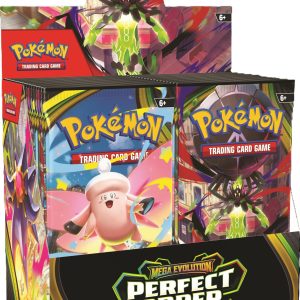
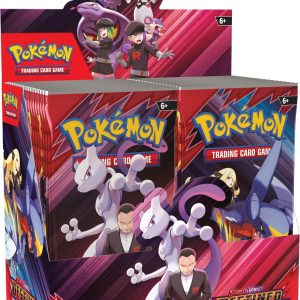
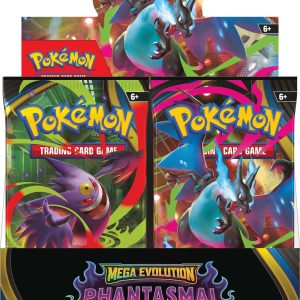
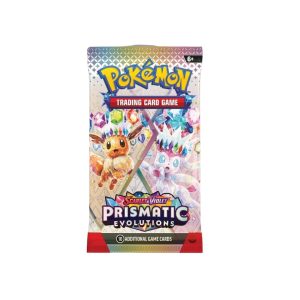
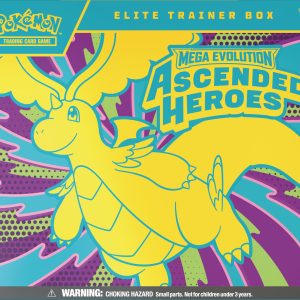
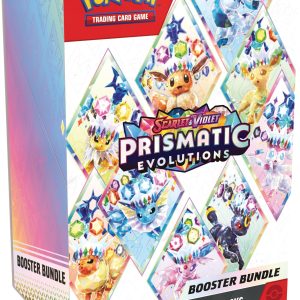
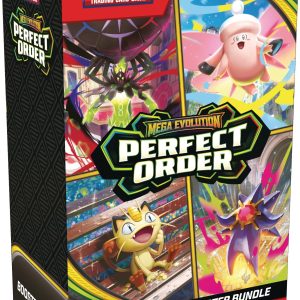
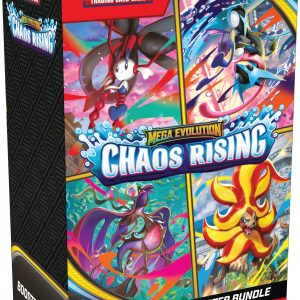
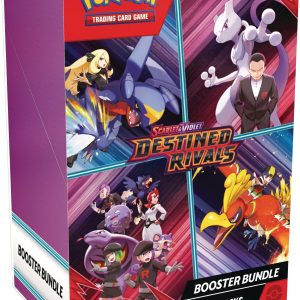
Buy Pokémon Wholesale: Sealed TCG Product in Bulk for Global Resellers
Shopye Deals Distribution supplies genuine Pokémon TCG wholesale stock to hobby shops, trading card retailers, ecommerce sellers, and distributors across the UK, the US, Canada, and worldwide. Our range focuses on what the modern card market actually moves at volume: sealed product, meaning factory-sealed booster boxes, booster displays, booster packs, collection boxes, and elite trainer boxes across current and recent set releases. Every unit we ship is 100% authentic, leaves our Rancho Cucamonga, California warehouse with commercial invoices on paid orders, and reaches buyers across the globe with full export documentation.
Sealed Pokémon product sits at the center of one of the most durable resale categories in all of collectibles. Unlike categories that rise and fall on a single trend cycle, sealed trading card product benefits from three overlapping demand engines: players who open packs to build decks, collectors who hold sealed boxes as long-term positions, and gift buyers who treat booster boxes as premium presents. That triple demand base is what makes sealed Pokémon wholesale inventory turn steadily year-round, with sharp peaks around set releases, holidays, and competitive season milestones. When you buy Pokémon cards wholesale through Shopye Deals Distribution, you are stocking the sealed format that all three buyer types compete for, which keeps velocity healthy and pricing power on your side.
There is one boundary worth stating clearly because it defines everything about how we sell this category: our Pokémon range is sealed TCG product only. We do not sell single cards, we do not sell graded slabs, we do not sell plush toys, and we do not sell video games. That is a deliberate choice, not a gap. Sealed product is the format where wholesale buyers get the cleanest economics, the most defensible inventory, and the least operational risk. Singles require grading knowledge, condition grading, and marketplace authentication programs that add cost and complexity to every transaction. Sealed boxes arrive factory-wrapped, condition is binary, and resale is straightforward. Our entire Pokémon wholesale program is built around that simplicity, and every section below assumes you are buying and selling sealed product exclusively.
Pokémon TCG Wholesale Product Range
Our sealed assortment is organized by format, because format is how the Pokémon market thinks, prices, and reorders. A hobby shop buys differently than a gift retailer, and a set-release opportunist buys differently than a year-round TCG anchor store. Understanding which format serves which buyer is the foundation of a profitable Pokémon wholesale assortment, and the notes below lay out the commercial role of each one.
Pokémon Booster Box Wholesale
The sealed booster box is the workhorse of Pokémon TCG wholesale and the single most important format in our range. A standard booster box typically contains 36 booster packs, and it serves two distinct buyer types at once. The first is the opener: players and collectors who buy boxes to open packs, chase pulls, and enjoy the sealed-opening experience that drives so much of the category’s content and social momentum. The second is the holder: collectors and investors who keep boxes sealed as long-term positions, betting that out-of-print sets appreciate over time. Both buyers want the same product, which means booster box demand stacks rather than splits, and that stacking effect is why boxes are the never-out anchor of any serious sealed Pokémon assortment, from UK hobby shops to Canadian ecommerce sellers and US distributors alike.
Reorder logic for booster boxes runs on two clocks at once. The first clock is set-release cadence: new sets arrive several times a year, and demand for current-set boxes peaks in the first weeks after release, then settles into a long tail as print runs continue. The second clock is the out-of-print clock: when a set goes out of print, sealed boxes of that set begin a slow appreciation curve that serious collectors track closely. Smart wholesale buyers keep current-set boxes in depth for steady velocity while holding measured positions in recent out-of-print sets for the appreciation trade. Seasonally, booster boxes peak hard in Q4 as gifts, lift around every major set release regardless of calendar quarter, and hold a strong baseline through spring and summer when competitive play seasons and convention circuits drive opening activity.
From a wholesale buyer’s perspective, booster boxes offer the cleanest unit economics in sealed Pokémon. The per-pack cost in a box is meaningfully lower than buying loose packs, the sealed format protects against mapping and weighing concerns that plague loose packs, and the box itself is a display-ready retail unit that needs no repackaging. When you inquire about Pokémon booster box wholesale lots with us, we quote current-set availability against live allocation, because during hype windows box supply is the first thing to tighten and honest allocation communication is the difference between a reliable distributor and a disappointing one.
Pokémon Booster Display Wholesale
Booster displays, the display cases of typically 24 packs designed for countertop retail, are the format built specifically for hobby shops, game stores, and any retailer with a physical point of sale. Where a booster box is sold as a sealed unit to a single buyer, a display is designed to be broken down pack by pack at the register, turning one wholesale unit into 24 individual retail transactions. That structure makes displays the highest-margin-per-wholesale-unit format for brick-and-mortar TCG retailers, because each pack sold individually carries the full single-pack retail markup while the wholesale cost was acquired at case pricing.
Who buys displays is almost entirely defined by channel: local game stores, comic shops, toy retailers with TCG sections, and convenience-format sellers near schools and youth traffic, across the UK, the US, Canada, and beyond. These buyers reorder displays on rhythm rather than on hype, because packs are a daily foot-traffic driver and an empty display slot is lost revenue every hour it sits empty. Reorder logic is therefore calendar-driven and velocity-driven in combination: track packs-per-day at your counter, set a reorder point that accounts for shipping time from our California warehouse, and never let a current set go to zero while it is still in print. During set-release weeks, displays of the new set sell at several times baseline pace, so experienced retailers pre-position display depth before release day rather than chasing it after.
Seasonality for displays follows the school and gift calendars closely. Back-to-school periods lift pack sales as young collectors return to peer groups. Q4 is the strongest quarter by far, as displays double as giftable countertop units and parents buy packs as stocking stuffers and party favors. Summer brings convention season, where tournament-adjacent retailers and event sellers move displays at elevated pace. One operational note that matters for displays: because individual packs are the unit of sale, buyers should source displays only from distributors who sell factory-sealed product with clear provenance and invoice-backed inventory, and that is exactly what our sealed-only program provides. We do not sell loose packs of uncertain provenance, and neither should you.
Pokémon Booster Pack Wholesale
Sealed booster packs sold in wholesale quantities serve the buyer who wants pack-level flexibility without committing to full display cases. This includes ecommerce sellers who list single packs or small pack bundles, event sellers and party-favor buyers who need specific quantities, content creators who open packs on camera and need a steady supply, and smaller retailers testing a new set before committing to display depth. Packs are also the format that gift and party businesses buy in bulk, because a sealed pack is a self-contained, age-appropriate gift unit at an accessible price point.
Reorder logic for packs is the most velocity-sensitive in the sealed range. Pack buyers reorder frequently and in responsive quantities, which means your wholesale partner needs to be able to turn around pack orders quickly and communicate set availability honestly. During hype windows, pack supply tightens fastest of all formats because packs are the most divisible unit and the first thing opportunistic buyers sweep. Experienced pack resellers therefore maintain a rolling buffer of current-set packs and place their next order while the current one is still arriving, rather than waiting for a stockout. We support that rhythm with inquiry-based quoting that reflects live availability rather than static price lists, because pack pricing moves with the market and a quote that is a week old can be a fiction.
Seasonally, packs mirror the broader sealed calendar with one accent: party and event season. Birthday parties, school events, and holiday stocking-stuffer buying create pack demand spikes that are less visible in box sales but very real at the pack level. Q4 remains the peak, set releases create sharp multi-week surges, and summer convention season drives pack velocity among event-adjacent sellers. A final commercial point: pack buyers should be the most vigilant about authenticity in the entire category, because packs are the format most vulnerable to resealing and mapping in the broader market. Buying packs only from a sealed-product distributor with invoice-backed, factory-sealed stock is not optional diligence, it is the core of the business model, and it is why our program sells packs exclusively as part of sealed, traceable inventory.
Pokémon Collection Box and Elite Trainer Box Wholesale
Collection boxes and elite trainer boxes occupy the premium sealed tier: higher price points, richer contents, and stronger gift positioning than standard boosters. Collection boxes typically bundle multiple booster packs with promotional cards and collectible packaging, while elite trainer boxes add sleeves, dice, dividers, and energy cards alongside their pack allocation, making them the format competitive players buy for both product and accessories. These formats serve three buyer types: gift buyers who want a premium, complete-feeling present; players who value the accessories and promo cards; and collectors who treat special packaging as part of the item’s long-term appeal.
Reorder logic for premium sealed formats is release-driven and gift-calendar-driven in roughly equal measure. Each new set typically brings its own elite trainer box release, and demand concentrates in the weeks after that release, with a long tail through the set’s print life. Collection boxes follow promotional calendars and character-driven themes, which means their velocity is less predictable but their margins are often stronger per unit because the perceived value of promos and packaging supports a higher retail price. Wholesale buyers should treat these formats as planned-position buys rather than reactive reorders: secure allocation around releases and gifting windows, because premium sealed product is frequently produced in more limited quantities than standard boosters and can become genuinely scarce once the initial print run sells through.
Seasonality is where collection and elite trainer boxes earn their wholesale shelf space. Q4 gifting is the dominant peak, and these formats are the sealed Pokémon products most likely to sell out at retail during the holidays, because they sit at the intersection of premium gift positioning and limited availability. Set-release weeks create the secondary peak. Spring brings Mother’s Day and graduation gifting adjacency, and summer convention season moves elite trainer boxes among player-adjacent buyers. For wholesale buyers, the practical takeaway is that premium sealed formats reward advance planning more than any other format in the range: inquire early, confirm allocation before the window, and do not assume mid-season replenishment will be available at any price.
Pokémon Set Releases: Buying the Calendar
Pokémon TCG set releases arrive multiple times per year, and each release is a commercial event that reshapes demand across every format for weeks. The pattern is consistent: pre-release buzz builds through spoiler season, release-week demand spikes to several times baseline, the first month runs hot as the meta and collector community evaluate the set, and then velocity settles into a long tail that lasts until the set goes out of print. Wholesale buyers who understand this cycle buy before the spike, not during it, because allocation tightens fastest precisely when demand is highest and late buyers pay the most for the least certainty.
Who buys around set releases spans every channel: hobby shops need day-one inventory to serve their communities, ecommerce sellers need listing-ready sealed stock the moment search volume spikes, content creators need product to open on camera during the highest-viewership window, and speculators buy sealed boxes of sets they believe will appreciate. Reorder logic around releases is therefore about positioning, not reaction: confirm your allocation with your distributor before release, size your initial buy to cover the release-week surge plus the first month’s tail, and plan a second order only if velocity data justifies it. The buyers who lose money on set releases are the ones who overcommit to a set the market cools on, or who chase allocation mid-hype at peak pricing.
Our honest guidance on set availability is simple and we repeat it because it matters: availability follows release cycles, and current allocation is confirmed at inquiry, not promised in advance. We do not publish static price lists for sealed Pokémon because pricing moves with print status, hype level, and remaining allocation, and a direct quote against live inventory is the only accurate number. When you ask us about a specific set, we tell you what is actually available, in what formats, at what quantities, and we do that before you commit to anything. That is how a sealed-product wholesale relationship should work, and it is the standard we hold ourselves to on every set, every release, every quarter.
Market Dynamics: Why Sealed Pokémon TCG Moves at Wholesale
Sealed versus singles economics. The first structural advantage of sealed Pokémon wholesale is what you are not dealing with. Singles require condition grading, price-guide tracking, authentication for high-value cards, and marketplace programs that take fees and add friction to every transaction. A sealed booster box has none of that overhead: condition is binary, the product is factory-wrapped, and resale is a straightforward listing or shelf placement. That simplicity compounds at wholesale scale. A distributor moving sealed cases ships uniform, easily inventoried units with predictable weights and dimensions. A buyer receiving them can verify condition in seconds. Every hour not spent grading singles is an hour spent selling, and in a category where velocity matters, sealed product’s operational simplicity is a genuine margin advantage that shows up in labor costs, return rates, and listing throughput.
Set-release hype cycles. The Pokémon TCG releases new sets multiple times per year, and each release functions as a demand event that lifts the entire sealed category. Spoiler season builds anticipation, release week concentrates buying, and the competitive and collector communities spend the following month evaluating the set’s pulls, playables, and long-term potential. For wholesale buyers, hype cycles are both the opportunity and the discipline test. The opportunity is that release-week velocity can be several times baseline, rewarding buyers who positioned inventory in advance. The discipline test is that hype is also when allocation tightens, pricing peaks, and late entrants overpay. The buyers who profit from hype cycles are the ones who treat them as calendar events to prepare for, confirming allocation before release and sizing buys to data rather than excitement.
Collector demand and the sealed premium. A meaningful share of sealed Pokémon product is never opened. Collectors buy sealed booster boxes, elite trainer boxes, and collection boxes as long-term holdings, and out-of-print sealed product has a long history of appreciation that the broader collectibles market understands well, from the UK and European collector markets to North American hobby channels. This creates a durable demand floor under sealed inventory that opened product does not have: even if a set’s play demand cools, collector demand for sealed boxes persists and often strengthens as print runs end. For wholesale buyers, the practical implication is that sealed Pokémon inventory carries less downside risk than most collectible categories. Current-set boxes turn on player and opener demand; recent out-of-print boxes appreciate on collector demand. A balanced assortment across both print statuses captures the full curve.
Play demand from the competitive scene. Beneath the collector and hype layers sits the most underrated demand engine in the category: actual gameplay. The Pokémon TCG has an active organized-play ecosystem, from local league nights to regional championships to international competition, and every competitive season drives pack and box openings as players build and refine decks. Play demand is valuable because it is recurring and format-agnostic: players open whatever is current, which means each new set refreshes this demand automatically. It is also valuable because it is less sentiment-driven than collector demand, providing a steadier baseline through market cycles. Wholesale buyers serving hobby shops and game stores should weight play demand heavily in their assortment planning, because it is the demand that shows up every week, not just at releases and holidays.
Allocation reality during hype windows. Honest talk about allocation is where serious distributors separate from the rest. During high-demand releases, sealed Pokémon product genuinely becomes scarce at the wholesale level: print runs are finite, distributor allocations are capped, and demand exceeds supply for a window of weeks to months. This is not a sales tactic, it is the structural reality of a category where demand regularly outruns production. The commercial consequence is that relationships and timing matter more than at any other point in the cycle. Buyers who inquire early, confirm allocation before release, and maintain consistent ordering relationships get served first. Buyers who appear mid-hype asking for large quantities of the hottest set face the market as it actually is: limited, expensive, and uncertain. We communicate allocation honestly at inquiry because a distributor that overpromises during hype destroys trust that took years to build.
Nostalgia tailwinds and generational renewal. Pokémon is one of the rare franchises that renews its audience every few years without losing the old one. Adults who collected as children return as buyers with disposable income, while new generations discover the franchise through games, shows, and peer culture. This generational layering means the buyer base is constantly refreshing: today’s young collectors become tomorrow’s sealed-box investors, and today’s returning adults bring purchasing power that younger collectors lack. Few categories enjoy this kind of demographic conveyor belt. For wholesale buyers, the takeaway is that Pokémon TCG demand is not a fad to time but a franchise to build on. Assortment decisions should assume the category will still be growing in five years, because every indicator, from set sales to organized play attendance to secondary-market depth, points in that direction.
Buying Plan by Channel
Hobby and Game Stores
Your store is the category’s front line, and your assortment should reflect the three jobs sealed Pokémon does for you: foot traffic, community service, and margin. Start with booster displays of the current set as your countertop anchor, because packs are the daily transaction that brings collectors through your door and an empty display slot is lost revenue every hour. Size display depth to your measured packs-per-day with a reorder point that accounts for shipping time from California, and pre-position extra displays before set releases rather than chasing them during release-week scarcity. Add sealed booster boxes as your premium shelf unit for the opener and holder buyers, keeping current-set boxes in depth and measured positions in recent out-of-print sets for the appreciation trade. Stock elite trainer boxes for your player community, since they bundle the accessories competitive players actually use, and keep collection boxes as your gift-tier offering for parents and gift buyers who want a complete-feeling present. Track velocity by format weekly, not monthly, because set-release cycles move fast and a monthly review will miss the surge and the cooldown alike. Build relationships with your regulars around pre-orders: taking release-day reservations locks in your demand before you commit wholesale dollars, which is the single best risk-management tool a hobby shop has. And never compromise on sealed provenance. Your customers trust that your packs are genuinely factory-sealed, and that trust is worth more than any single transaction. Source sealed product only from distributors who guarantee factory-sealed, invoice-backed inventory, because one resealed-pack incident can permanently damage a store’s reputation in its local community. Run in-store events, league nights, and release tournaments around your sealed inventory, because every event is both a sales occasion and a community investment that compounds over time, whether your store serves a UK high street, a Canadian suburb, or a US metro area.
Amazon and Ecommerce Resellers
Sealed Pokémon is one of the strongest categories in online resale, and also one of the most documentation-sensitive. Start with our commercial invoices, because they are the foundation of account health and category ungating paperwork on Amazon and other marketplaces, and while final approval always rests with the marketplace, legitimate invoices are the required starting point that separates sustainable sellers from short-lived ones, on the UK, US, and Canadian marketplaces alike, where authenticity enforcement is strictest. List with exact format accuracy: set name, format (booster box, display, elite trainer box), sealed condition stated unambiguously, and real photos of the sealed product rather than stock renders, because buyers in this category inspect listings for authenticity signals and vague listings convert poorly. Lead your assortment with current-set sealed boxes and displays, which carry the highest search volume, and maintain listings for recent out-of-print sealed product, which carries lower volume but stronger margins and less price competition. Price with awareness of the hype cycle: release-week pricing can support premiums, but the long tail rewards competitive positioning and fast fulfillment, so build your repricing logic around print status rather than emotion. Protect your seller metrics fiercely, because in collectibles, condition complaints and authenticity questions damage ratings faster than in almost any other category. Ship sealed product in protective packaging with the factory seal untouched, document your inventory’s provenance, and never list a unit whose seal you cannot vouch for. Diversify across formats to smooth the hype cycle: boxes for release peaks, displays and packs for steady baseline, premium sealed formats for Q4 gifting. And treat allocation communication as a core supplier criterion. A distributor who tells you honestly what is available, in what quantities, and when it ships is worth more than one who quotes an attractive price on inventory that never materializes. Inquire early around releases, confirm allocation in writing, and size your buys to your measured velocity plus a release-week buffer, not to hype.
Distributors and Export Buyers
As a wholesale supplier serving buyers across the UK, the US, Canada, and worldwide, we structure sealed Pokémon programs for distributors and export buyers around consolidation, documentation, and calendar discipline. Sealed TCG product consolidates efficiently: uniform case dimensions, predictable weights, and no fragility complications beyond standard handling, which makes mixed-format pallets straightforward to build and cost-effective to ship. Shipments leave our US warehouse with export documentation and commercial invoices with every order, and our commercial invoices support your downstream resale and any marketplace or regulatory paperwork your customers require. Plan your buying calendar around the two clocks that drive this category: the set-release cadence, which creates sharp multi-week demand events several times a year, and the Q4 gifting peak, which is the single largest sealed Pokémon quarter across the UK, the US, Canada, and the rest of the world. For set releases, confirm allocation with us before release day and size initial orders to cover the surge plus the first month’s tail, because mid-hype replenishment is the most expensive and least certain inventory you will ever buy. For Q4, begin building premium-format depth (collection boxes, elite trainer boxes, giftable box sets) in Q3, since these formats are produced in more limited quantities and become genuinely scarce once the holiday window opens. Understand your destination market’s import requirements before committing to volume: trading cards are straightforward in most jurisdictions, but duties, toy-safety labeling rules, and language requirements vary, and a quick compliance check before a large order prevents expensive surprises at customs. For new export relationships, we recommend opening with a format-balanced mixed assortment across the current set, proving velocity in your market, then weighting reorders toward the formats your buyers favor. Some markets are box markets, some are pack markets, and the data from your first quarter will tell you which one you serve. Maintain consistent ordering relationships rather than sporadic large buys, because early, specific inquiries are simply easier to confirm during constrained windows than mid-hype requests, and honest communication in both directions is what keeps the relationship productive.
When to Stock Pokémon TCG: Seasonal Calendar
Q1 (January to March): The year typically opens with the tail of holiday demand clearing through January, followed by the first set releases of the year building momentum through February and March. This is positioning season: confirm allocation for upcoming spring releases, clear any remaining holiday overstock at healthy margins while gift demand lingers, and rebuild display depth for the spring competitive season. League and tournament calendars restart in earnest, lifting pack and box velocity among player-adjacent buyers.
Q2 (April to June): Spring set releases drive the quarter, with release-week surges followed by steady competitive-season demand. Convention season begins building, and event-adjacent sellers start positioning inventory. This is also the quarter to place your thinking about Q4: premium sealed formats for the holidays are often allocated months in advance, and the buyers who secure holiday depth in Q2 are the ones with full shelves in December. School-year end brings a modest lift as young collectors buy with end-of-term freedom.
Q3 (July to September): Summer is convention peak, and sealed Pokémon moves at elevated pace through event channels, tournament venues, and tourist-adjacent retail. Back-to-school in late Q3 creates a distinct pack-level lift as young collectors return to peer groups. Behind the scenes, Q3 is when serious wholesale buyers lock in Q4: confirm holiday allocation for collection boxes, elite trainer boxes, and giftable sets now, because waiting until Q4 means competing for whatever remains after the prepared buyers have taken their positions.
Q4 (October to December): The peak quarter by a wide margin. Gift buying drives sealed Pokémon across every format, with premium sealed formats (collection boxes, elite trainer boxes) selling out first at retail and booster boxes and displays following. Holiday set releases, when they occur, compound the peak. Replenishment windows tighten dramatically from late November, so the inventory you have in early November is effectively the inventory you will sell through December. Plan for stockouts of the scarcest premium formats and price accordingly; scarcity during Q4 is a margin opportunity for buyers who positioned early, not a crisis.
Set-release cadence guidance: Beyond the calendar quarters, treat every set release as its own micro-season. Pre-release (spoiler season): confirm allocation and finalize your buy. Release week: maximum velocity, premium pricing justified, fulfillment speed is everything. First month: strong tail as the community evaluates the set; watch which formats move fastest and adjust. Long tail: steady baseline until out-of-print rumors begin, at which point sealed boxes of the outgoing set often see a final demand lift from collectors positioning for the appreciation curve. Buyers who run this playbook on every release compound their advantage with each cycle.
Pokémon TCG Wholesale Distributors: What to Look For
Choosing a sealed Pokémon distributor is a trust decision first and a price decision second, whether you buy in the UK, the US, Canada, or elsewhere, because the risks in this category are authenticity risks, not just cost risks. Start with the non-negotiable: a written 100% authentic guarantee on every unit, backed by commercial invoices with every paid order. Invoices are not just marketplace paperwork; they are your provenance chain, the document that proves your inventory came from a legitimate wholesale channel. Next, verify sealed-product discipline. Your distributor should sell sealed product exclusively or with clear format separation, and should be able to state plainly that their packs and boxes are factory-sealed and sold only with clear provenance and invoice-backed inventory. Mapping (identifying which packs contain valuable cards by sequence patterns) and weighing (identifying heavier packs likely to contain holographic cards) are real practices in the broader market, and a distributor who cannot speak to them directly is a distributor to avoid.
Look for reseal awareness in how the distributor talks about the category. Resealed product, where opened packs are rewrapped to look factory-sealed, is the most damaging fraud in sealed TCG, and serious distributors discuss their sourcing controls openly. Ask how they verify seal integrity, how they handle customer reports of tampering, and what their sourcing chain looks like. A legitimate wholesaler welcomes these questions; an evasive one answers them. Check operational basics too: a real, verifiable warehouse (in our case, Rancho Cucamonga, California), reachable human contact by email and phone, clear communication about what is actually in stock versus what is merely listed, and honest allocation language during hype windows. Be deeply skeptical of any distributor offering large quantities of a scarce, in-hype set at below-market pricing with no allocation limits stated; that combination is the classic signature of either counterfeit product or a listing for inventory that does not exist. Finally, evaluate how the distributor handles the formats you actually need. A generalist who dabbles in Pokémon alongside unrelated categories may not track set releases, print statuses, or allocation windows with the attention the category demands. Shopye Deals Distribution runs sealed Pokémon as a dedicated program with release-calendar awareness, format-level quoting, and honest availability communication, because in this category, the distributor’s market knowledge is part of what you are buying.
How to Buy Pokémon TCG Wholesale
Buying sealed Pokémon TCG wholesale through Shopye Deals Distribution takes four steps. Step 1, inquire: send us the sets, formats, and quantities you are targeting, along with your delivery country, at orders@shopyedeals.com or through our contact page. The more specific your inquiry (set names, box versus display versus packs, target quantities), the faster and more accurate our response. Step 2, quote: we check live availability and current allocation, then send an itemized quote. Sealed Pokémon pricing moves with print status and hype level, so a direct quote against actual inventory is the only accurate number; we do not publish static price lists that would be outdated within days. Step 3, payment: secure payment is arranged for your order size, and commercial invoices are prepared with your paid order. Step 4, fulfillment: your sealed product ships from our California warehouse with export documentation where needed, packed to protect factory seals in transit. New buyers typically start with a format-balanced assortment across the current set to prove velocity in their channel, then move to release-calendar buying and deeper positions as the relationship and the data develop. If you are unsure which formats your market favors, ask us: we see sealed Pokémon move across hobby, ecommerce, and export channels every week, and we will give you an honest read on where to start.
Frequently Asked Questions
How do I buy Pokémon wholesale from Shopye Deals Distribution?
Send an inquiry listing the sets, formats (booster boxes, displays, packs, collection boxes, elite trainer boxes), and quantities you need, plus your delivery country. We confirm live availability and allocation, send an itemized quote, arrange secure payment, and ship from our California warehouse with commercial invoices. Reach us at orders@shopyedeals.com or +1 325 208 8767.
Do you sell individual Pokémon cards or singles?
No. Our Pokémon range is sealed TCG product only: factory-sealed booster boxes, displays, packs, collection boxes, and elite trainer boxes. We do not sell single cards, and that is deliberate. Sealed product offers cleaner economics, simpler operations, and none of the grading and authentication overhead that singles require. If your business model is built on singles, we are not the right supplier for that format, and we would rather tell you that plainly than sell you something we do not specialize in.
Do you sell graded Pokémon cards?
No. We do not sell graded slabs or offer grading services. Our program covers sealed product exclusively, and every unit ships factory-sealed exactly as it left the manufacturer.
Can I get specific Pokémon sets, or only whatever is available?
You can request specific sets, and we quote against live inventory. Availability follows release cycles: current in-print sets are generally available, recent sets vary with remaining allocation, and out-of-print sets depend on what we hold. When you inquire about a specific set, we tell you honestly what is available, in which formats, and in what quantities before you commit to anything.
How do allocations work during hype releases?
Honestly and transparently. During high-demand releases, sealed product is genuinely allocation-constrained: print runs are finite and demand exceeds supply. We confirm allocation at inquiry, honestly and in writing, and we never promise inventory we do not have. The practical advice is to inquire early, before release day.
Is your sealed Pokémon product guaranteed authentic and untampered?
Yes. Every unit is 100% authentic and factory-sealed, and ships with commercial invoices on paid orders. We sell sealed product only, never loose packs of uncertain provenance. Sealed provenance is the foundation of our Pokémon program, and we treat any tampering concern with the seriousness it deserves: report it promptly with photos and order details and our team will work with you on a resolution.
What is the difference between a booster box, a display, and loose packs for resale?
A booster box (typically 36 packs) is sold as a sealed unit to one buyer, serving openers and sealed collectors. A booster display (typically 24 packs) is designed for countertop retail, broken down pack by pack at the register, making it the highest-margin-per-wholesale-unit format for physical stores. Wholesale packs serve ecommerce sellers, event buyers, and content creators who need pack-level flexibility. The right format depends on your channel, and many successful buyers carry all three.
Which sealed Pokémon format is best for a new reseller?
Start with current-set booster boxes and displays in balanced quantities. Boxes give you the premium sealed unit with broad buyer appeal; displays give you the pack-level retail engine. Prove velocity on the current set, learn which formats your customers favor, then expand into elite trainer boxes, collection boxes, and positions in recent out-of-print sets as your data justifies it.
Can I sell sealed Pokémon on Amazon with your invoices?
Our commercial invoices are the documentation resellers use for account health and category ungating paperwork. Final approval always rests with the marketplace, but legitimate, invoice-backed sourcing is the required foundation, and in a category as authenticity-sensitive as trading cards, it is what separates sustainable sellers from short-lived ones.
Do you ship Pokémon TCG internationally?
Yes. We ship sealed Pokémon product from our Rancho Cucamonga, California warehouse to buyers across the UK, the US, Canada, and worldwide, with export documentation. Sealed TCG product consolidates efficiently for international freight: uniform case dimensions, predictable weights, and straightforward customs treatment in most jurisdictions. Share your delivery country in your inquiry so we can confirm routing and documentation.
When should I order for the holiday season?
Begin building premium-format depth (collection boxes, elite trainer boxes, giftable sets) in Q3. These formats are produced in more limited quantities than standard boosters and become genuinely scarce once the holiday window opens. Booster boxes and displays should be positioned by early Q4 at the latest, because replenishment windows tighten dramatically from late November. The buyers with full shelves in December are the ones who inquired in summer.
How should I store sealed Pokémon inventory?
Store sealed product in a cool, dry environment away from direct sunlight and humidity extremes. Keep factory seals intact: never open a sealed unit to “check” contents, because an opened unit is no longer sealed product and loses its premium. For long-term sealed holdings, stable temperature and low humidity protect both the packaging condition and the cards inside, and packaging condition directly affects resale value in the collector market.
What quantities can I order?
We work with reseller-friendly quantities from starter assortments to distributor-level volume. Minimums vary by set, format, and current allocation, so send your target list and we will confirm workable numbers in your quote. During allocation-constrained releases, quantities may be capped per buyer to keep distribution fair across our partners.
Can I mix Pokémon TCG with other products in one shipment?
Yes. Consolidated multi-category shipments from our warehouse cut per-unit freight costs, and sealed TCG product packs efficiently alongside other inventory. Mention everything you want in your inquiry so we can plan the consolidation and quote accurate freight.
What if a sealed unit arrives damaged?
Report transit damage promptly with photos and your order details, and our team will work with you on a resolution. We pack sealed product to protect factory seals in transit, but freight is freight, and quick documentation is what makes resolutions smooth. Note that our damage process covers transit damage to sealed units; it does not cover the contents of packs, since pull outcomes are the nature of the product.
Start Your Pokémon TCG Wholesale Order
Ready to stock genuine sealed Pokémon TCG product in bulk? Contact Shopye Deals Distribution with your target sets, formats, and quantities for current availability and a quote:
- Email: orders@shopyedeals.com
- Phone/WhatsApp: +1 325 208 8767
Availability follows release cycles, so the earlier you inquire around a set release or gifting window, the stronger your allocation position. Tell us what you need and we will give you the honest picture.
New to Pokémon wholesale buying? Read our guide: Where to Buy Pokémon Cards Wholesale.
Pokémon is a trademark of Nintendo/Creatures Inc./GAME FREAK inc. Shopye Deals Distribution is an independent wholesale supplier and is not affiliated with or endorsed by the trademark owners.