
The Ordinary
The Ordinary Wholesale Products
Review available wholesale inventory for this brand in a compact sortable list.
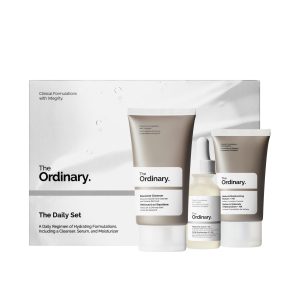
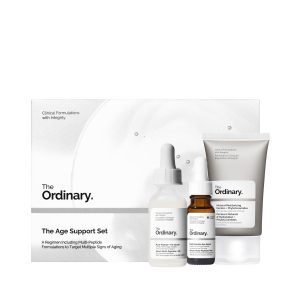
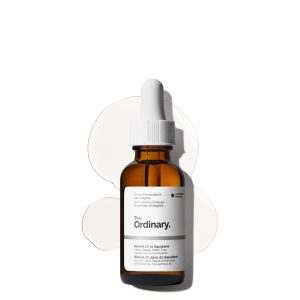
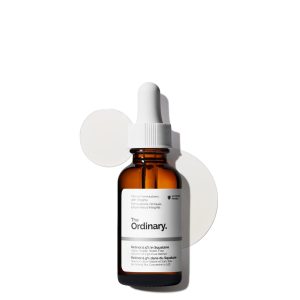
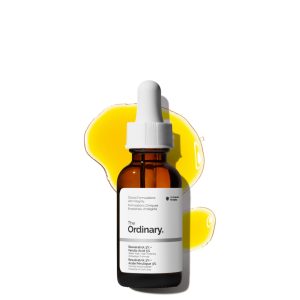
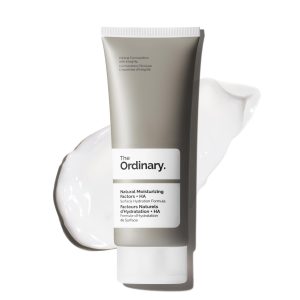
Buyers searching for the ordinary wholesale are usually solving a very specific problem: how to stock one of the most recognized clinical skincare names in the world without the margin erosion, counterfeit risk, and paperwork headaches that come with buying viral beauty brands through informal channels. The Ordinary, the ingredient-led skincare line from DECIEM, built its reputation on radical transparency: named actives, published concentrations, and pricing that made clinical skincare accessible to everyone. That positioning created a rare combination for wholesale buyers. Demand is broad and durable, the product education is largely done by the brand itself, and repeat purchase cycles are built into the category, because serums and moisturizers run out and get repurchased.
For resellers, this means The Ordinary behaves less like a trend and more like a staple. A customer who buys a hyaluronic acid serum in January comes back for another bottle in March, and often adds a moisturizer or a vitamin C treatment to the same order once trust is established. Wholesale buyers who understand this replenishment logic treat The Ordinary as assortment infrastructure: a dependable core that supports basket size, brings ingredient-aware shoppers through the door, and performs across channels from neighborhood beauty stores to large ecommerce operations. The rest of this page is written for those buyers. It covers the brand story, the product range organized by routine step, the demand drivers that protect margins, channel-specific buying playbooks for the UK, the US, Canada, and worldwide markets, and the verification and inquiry discipline that separates professional sourcing from guesswork.
Shopye Deals Distribution supplies 100% authentic The Ordinary stock with commercial invoices on paid orders, shipping worldwide from our Rancho Cucamonga, California warehouse, subject to destination and product restrictions. Everything below is grounded in the live range currently listed on this page, so you can plan an order against real, available product families rather than a catalog fantasy.
The Ordinary Brand Story: Clinical Transparency That Sells Itself
The Ordinary launched in 2016 under DECIEM, a Toronto-born beauty company founded on the idea that effective skincare should not hide behind luxury markups or vague marketing language. The brand’s founding gesture was disarmingly simple: put the active ingredient and its concentration on the front of the bottle, publish the full formulation story, and price the product at a fraction of what the industry had conditioned shoppers to expect. At a time when prestige serums routinely sold for sixty dollars and more, The Ordinary offered named, concentrated actives at accessible prices, and the market responded with a velocity few skincare launches had ever seen.
What matters for wholesale buyers is not the origin myth but the structural advantage it created. The Ordinary educated an entire generation of skincare shoppers to read ingredient labels. Terms that were once the preserve of dermatology offices and formulation chemists, retinoids, vitamin C derivatives, hyaluronic acid, squalane, ceramides, amino acids, became everyday vocabulary for millions of consumers. That education compounds at wholesale level. When a customer walks into a store or lands on a product page already knowing what retinol in squalane does, the seller does not have to manufacture demand. The conversation starts at “which strength” rather than “what is this,” and that shortens the path to purchase dramatically.
The brand’s clinical, almost pharmaceutical aesthetic reinforces this dynamic. Minimal packaging, laboratory-style labeling, and a regimen-builder philosophy signal seriousness, and seriousness converts ingredient-curious browsers into committed routine builders. A routine, by definition, is a multi-product purchase repeated on a cycle. Cleanser, treatment serums, moisturizer, lip care: each step is a separate SKU, and each SKU depletes on its own timeline. For a wholesale buyer, that is the ideal demand profile, because it means every new customer acquired is worth several units per year, not one.
There is also a geographic dimension worth understanding. The Ordinary’s appeal is not regional. Ingredient literacy is a global phenomenon, driven by the same social platforms and skincare communities in London, New York, Toronto, Sydney, and beyond. Buyers serving the UK, the US, Canada, and worldwide markets are therefore selling into the same educated demand pool, with only local nuances in pricing sensitivity, preferred pack sizes, and seasonal emphasis to manage. A wholesaler who can serve all of these markets from a single reliable source simplifies the entire operation: one supplier relationship, one documentation standard, one quality bar.
The Ordinary Product Range: A Routine-Step Buying Guide
The smartest way to buy The Ordinary at wholesale is by routine step, because that is how customers actually shop the brand. Nobody buys “a serum” in isolation for long. They build a regimen, and each regimen step is a stocking decision with its own velocity, seasonality, and buyer profile. The live range below is organized exactly that way, so you can see where each listed product sits in the customer journey and plan quantities accordingly.
Step 1: Cleansers
Every routine starts with cleansing, which makes the cleanser category the highest-frequency touchpoint in skincare and a natural basket anchor. The listed range includes The Ordinary Sulphate 4% Cleanser For Body And Hair 8.1 Fl oz, an 8.1 fl oz multi-use cleanser formulated for both body and hair. Multi-use formats deserve attention from wholesale buyers for a practical reason: they expand the addressable customer beyond the facial-skincare routine builder. A body and hair cleanser sells to shoppers who may never buy a serum, while still carrying the brand’s clinical credibility, and the generous 8.1 fl oz size positions it as a household staple rather than a trial-size experiment.
From a stocking perspective, cleansers are volume drivers with lower per-unit margins than treatment serums but faster turnover and broader appeal. They are also excellent entry products for new customers: a shopper hesitant to commit to an active treatment will often start with a cleanser, then graduate to serums once trust is established. Beauty retailers should merchandise the cleanser adjacent to the treatment serums, not in a separate body-care ghetto, because the brand’s whole proposition is the routine, and cross-merchandising is what converts a single-unit sale into a three-unit regimen. For Amazon and ecommerce sellers, the larger format photographs well, ships economically relative to its price point, and generates the kind of “gentle daily cleanser” review language that compounds into long-term listing strength.
Step 2: Serums and Targeted Treatments
This is the heart of The Ordinary and the heart of its wholesale economics. Treatment serums carry the brand’s identity, command the strongest search demand, and deliver the repeat-purchase cycles that make the brand a staple rather than a fad. The listed range is deep in this category, and each product serves a distinct buyer intent.
Hydration is the universal entry point, and The Ordinary Hyaluronic Acid 2% + B 5 (with Ceramides) 1 Fl oz sits squarely in it. Hyaluronic acid is arguably the most recognized skincare ingredient in the world, which means this serum sells to beginners and veterans alike. The addition of vitamin B5 and ceramides layers barrier-support positioning on top of the hydration story, letting sellers speak to two concerns, dryness and barrier health, with a single SKU. For wholesale buyers, hydration serums are the safest deep buy in the range: demand is year-round, with a predictable lift in colder months when indoor heating and harsh weather drive dryness complaints across the UK, the northern US, and Canada.
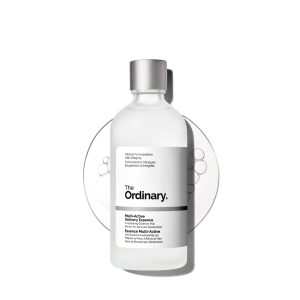
The Ordinary Multi-Active Delivery Essence 3.4 Fl oz represents the essence format, a lightweight first-treatment step popularized by Asian skincare routines and now mainstream worldwide. Essences appeal to the layering enthusiast, the customer who runs a five or six step routine and wants a hydration base that improves the absorption and feel of everything applied afterward. The 3.4 fl oz size is generous for the category, which matters for perceived value, and the format gives retailers a story to tell: this is the step that makes the rest of the routine work harder. Stock it as a companion to the hydration serum rather than a competitor, and train staff or write listing copy that explains the layering order.
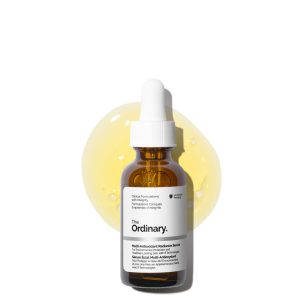
Antioxidant protection is the daytime counterpart to nighttime repair, and the range covers it twice. The Ordinary Multi-Antioxidant Radiance Serum 1 Fl oz targets the glow and environmental-defense buyer, the customer who wants visible radiance and a shield against daily oxidative stress. The Ordinary Resveratrol 3% + Ferulic Acid 3% 1 Fl oz speaks to the ingredient-literate purist who buys on the strength of named actives at published concentrations. Resveratrol and ferulic acid are heavyweight antioxidant names in skincare science, and a 3% plus 3% pairing gives sellers concrete numbers to merchandise. These two serums let a retailer serve both the results-focused browser and the label-reading expert from the same shelf, which is exactly the kind of dual-audience coverage that lifts category revenue per square foot.
Brightening and tone-evening demand is served by The Ordinary Ascorbyl Glucoside Solution 12% 1 Fl oz, a stabilized vitamin C derivative at a meaningful 12% concentration. Vitamin C remains one of the most searched skincare ingredients globally, and the derivative format addresses the stability concerns that make pure ascorbic acid tricky for casual users. For wholesale buyers, vitamin C treatments are strong spring and summer sellers, when customers start thinking about sun-induced dullness and uneven tone, and they pair naturally in regimens with the hydration serums above: brighten by day, hydrate and repair by night. That day-night pairing is a ready-made bundle story for promotions and listing copy.
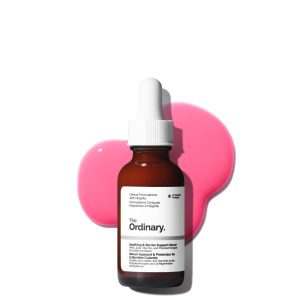
Barrier care, once a niche concern, has become one of the fastest-growing conversations in skincare, and The Ordinary Soothing & Barrier Support Serum 1 Fl oz is positioned directly in it. Over-exfoliation, harsh climates, and sensitized skin drive customers toward soothing, barrier-rebuilding formulas, and this serum gives sellers an answer for the “my skin is irritated, what do I use” question that lands in every beauty store and comment section daily. Barrier serums also function as regimen insurance: customers who buy strong actives need a soothing counterpart, which makes this a natural add-on sale and a smart inclusion in any starter assortment.
The retinoid category, the gold standard of nighttime anti-aging, is covered at two strengths: The Ordinary Retinol 0.5% In Squalane 1 Fl oz and The Ordinary Retinol 1% In Squalane 1 Fl oz. The squalane base is a deliberate formulation choice that cushions delivery and reduces the irritation that makes beginners abandon retinoids, and the two-strength ladder is a merchandising gift. The 0.5% is the starter, the 1% is the step-up, and the upgrade path between them is a built-in second purchase. Retailers should always stock both strengths together and merchandise them as a progression, because selling the 0.5% today is selling the 1% six months from now. Ecommerce sellers should note that retinoid listings attract deeply researched buyers who read reviews carefully; detailed, honest listing copy about the strength ladder converts this traffic better than hype.
Step 3: Moisturizers and Lip Care
Moisturizer is the regimen step every customer needs regardless of skin concern, which makes it the broadest-appeal category after cleansers. The Ordinary Natural Moisturizing Factors + Hyaluronic Acid 3.4 Fl oz is the range’s moisturizer anchor, and the 3.4 fl oz size is notably generous, positioning it as a daily-driver rather than a precious treatment. Natural Moisturizing Factors refers to the skin’s own hydration components, which gives the product a science-grounded story that resonates with the brand’s ingredient-literate audience, and the added hyaluronic acid reinforces the hydration promise. As a wholesale buy, moisturizers are steady, year-round movers with pronounced winter peaks in cold climates, and they are the single best cross-sell in the range: every serum buyer needs a moisturizer to seal the routine, so attachment-rate thinking should drive stocking depth here.
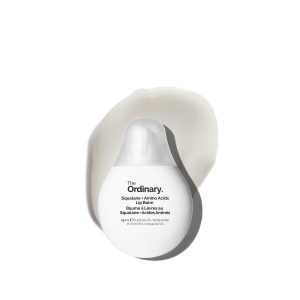
Lip care is the impulse category, and The Ordinary Squalane + Amino Acids Hydrating Lip Balm 0.5 Fl oz brings the brand’s clinical credibility to it. Squalane and amino acids are serious skincare ingredients in a format most shoppers buy on impulse, which creates an interesting dynamic: a low-price, high-velocity unit that introduces the brand to customers who might then explore the serum range. The 0.5 fl oz size is pocket and purse friendly, making it a natural checkout-counter product for physical retailers and an ideal add-on item for ecommerce carts. Wholesale buyers often underestimate lip care, but its velocity and giftability, especially in holiday assortments, earn it a permanent place in the order.
Step 4: Curated Sets
Sets are where wholesale buyers find some of their best economics, because a set is a multi-unit sale in a single transaction with a built-in gifting story. The listed range includes two: The Ordinary The Daily Set and The Ordinary Age Support Set. The Daily Set serves the routine starter, the customer who wants a complete, no-guesswork daily regimen in one purchase, and it is the single best product in the range for converting a curious browser into a committed routine builder. The Age Support Set targets the concerns-driven buyer focused on visible aging, a customer with higher willingness to spend and strong repeat intent once results appear.
From a buying perspective, sets deserve dedicated planning around gifting calendars. Holiday season, Mother’s Day, and Valentine’s Day all reward ready-made skincare sets, and The Ordinary’s clinical aesthetic makes its sets feel thoughtful rather than generic. Retailers should give sets prominent seasonal placement and resist the urge to break them into components; the value proposition is the curation. Ecommerce sellers should note that sets photograph as complete gifts, which lifts click-through on seasonal traffic, and that the “everything you need” framing reduces the decision friction that kills conversions on single serums. For distributors, sets are efficient units: one SKU to pick, pack, and ship that represents multiple units of consumer value downstream.
The Ordinary Wholesale: Why Demand Stays Strong
Wholesale buyers do not bet on brands, they bet on demand patterns, and The Ordinary’s demand pattern is unusually favorable. The first driver is ingredient literacy itself. The brand spent years teaching consumers to shop by active ingredient, and that education did not expire. Every new cohort of skincare shoppers discovers the same vocabulary, retinoids, vitamin C derivatives, hyaluronic acid, ceramides, and enters the market already primed to buy exactly what The Ordinary sells. This means customer acquisition for resellers is structurally cheaper than for brands that must explain themselves from zero with every campaign.
The second driver is the replenishment cycle. Skincare is consumed, and serums in 1 fl oz formats are consumed on a predictable cadence. A loyal customer represents not one sale but a recurring revenue stream, and the routine structure multiplies it: the customer who starts with a hydration serum adds a moisturizer, then a vitamin C treatment, then a retinoid for nighttime. Each addition is a new SKU with its own replenishment clock. Wholesale buyers who think in terms of customer lifetime value rather than single-order margin consistently find that The Ordinary outperforms trend-driven brands whose demand spikes and collapses within a season.
The third driver is price architecture. The Ordinary’s accessible pricing means the retail price leaves room for healthy reseller margins while remaining impulse-friendly for the end customer. This is a rare combination. Luxury skincare offers margin but slow velocity; ultra-cheap skincare offers velocity but punishing margin. The Ordinary sits in the productive middle: prices low enough that customers buy on routine and recommendation, with enough spread for wholesale economics to work across retail, ecommerce, and distribution channels.
The fourth driver is search and social durability. Ingredient-led brands generate evergreen content: routine guides, ingredient explainers, before-and-after progress posts, strength-ladder discussions. This content does not decay the way trend content does, because the underlying questions, “what does niacinamide do,” “which retinol strength should I start with,” are asked by every new generation of buyers. For resellers, that means product pages and listings accumulate authority over time instead of requiring constant reinvention, and that compounding effect shows up directly in organic traffic and conversion rates.
The fifth driver is global uniformity of demand. Skincare concerns are universal, and The Ordinary’s clinical positioning translates across cultures without the localization burden that fragrance or color cosmetics often carry. A hydration serum needs no shade range and no cultural translation. Buyers serving the UK, the US, Canada, and worldwide markets are therefore working with essentially the same product story everywhere, which simplifies assortment planning, marketing, and inventory pooling across regions.
The Ordinary Wholesale by Channel
Beauty Retailers and Skincare Boutiques
For physical beauty retailers, The Ordinary is a destination category that rewards knowledgeable merchandising. The first principle is to merchandise by routine step, not by alphabet or by price. Group the cleanser, the treatment serums, the moisturizer, and the lip balm into a visible routine wall or bay, with the two curated sets, The Daily Set and The Age Support Set, positioned as the “start here” and “level up” options. This layout mirrors how customers think and measurably lifts units per transaction, because a shopper who came for a serum leaves with a moisturizer once the routine logic is made visible.
The second principle is to staff the strength ladder. The two retinoid strengths, 0.5% and 1% in squalane, are a consultation opportunity, not just two SKUs. Train staff to ask about prior retinoid experience and guide beginners to the 0.5%, with a clear explanation of the upgrade path. That single conversation builds the trust that converts one-time buyers into routine loyalists, and it differentiates a real beauty retailer from a shelf of boxes. Similarly, staff should be able to explain the difference between the Multi-Antioxidant Radiance Serum and the Resveratrol 3% + Ferulic Acid 3% pairing, so customers buy the right antioxidant for their goals rather than the wrong one and churning.
The third principle is seasonal rotation. Winter is barrier season: push the Soothing & Barrier Support Serum, the Natural Moisturizing Factors + Hyaluronic Acid moisturizer, and the Squalane + Amino Acids Lip Balm as a cold-weather defense story, which resonates strongly with shoppers in the UK, the northern US, and Canada. Spring and summer shift to brightening: the Ascorbyl Glucoside Solution 12% leads, paired with the hydration serums as lightweight warm-weather layers. Gifting periods belong to the sets, with The Daily Set as the accessible gift and The Age Support Set as the premium one. A retailer who rotates the story quarterly keeps the brand fresh without changing the assortment, and that is the hallmark of professional category management.
Finally, protect the clinical positioning in-store. The Ordinary’s credibility rests on seriousness, so avoid discount-driven merchandising that cheapens the brand signal. Value messaging should emphasize the regimen economics, a complete routine for less than a single prestige serum, rather than markdowns. When you request a quote, ask about the full routine-step range so your opening order covers every step; a partial assortment that lacks the moisturizer or the cleanser breaks the routine story and leaves money on the table.
Amazon and Ecommerce Sellers
Ecommerce sellers operate under a different discipline, where the listing is the storefront and documentation is the license to operate. The single most important practice for selling The Ordinary online is invoice discipline. The Ordinary is a heavily counterfeited brand, and marketplaces enforce authenticity aggressively in the beauty category. Keep the commercial invoice from every paid order, filed by date and SKU, because that paperwork is what stands between your listings and a takedown during a brand-gating review or an authenticity complaint. Final approval on any marketplace decision always rests with the marketplace itself, so treat documentation as a cost of doing business, not an afterthought, and never commingle inventory from unverified sources with invoiced stock.
Listing strategy should follow the ingredient-search logic that defines the brand. Customers search by ingredient and concern, “hyaluronic acid serum,” “retinol 1% squalane,” “vitamin C serum 12%,” so titles, bullet points, and backend search terms should mirror that vocabulary precisely. Each of the listed serums has a distinct ingredient story, and the listing copy should tell it: the Hyaluronic Acid 2% + B5 with ceramides for hydration and barrier support, the Resveratrol 3% + Ferulic Acid 3% for antioxidant defense, the Ascorbyl Glucoside 12% for brightening. Generic “face serum” copy wastes the brand’s built-in search equity; specific, ingredient-led copy captures it.
Reviews are the compounding asset. Skincare buyers read reviews with unusual care, especially for actives like retinoids, so seed honest expectations early: the 0.5% is the beginner strength, results build over weeks, the squalane base cushions but does not eliminate adjustment. Listings that set accurate expectations earn the detailed, credible reviews that convert the next hundred buyers, while hype copy earns returns. Photograph your own stock rather than reusing supplier images, describe the exact size, 1 fl oz serums, 3.4 fl oz moisturizer and essence, 8.1 fl oz cleanser, 0.5 fl oz lip balm, and state the routine-step role of each product so customers buy complete regimens across your listings.
Cross-border ecommerce sellers serving the US, the UK, Canada, and worldwide should compare landed cost per unit including freight and duties before choosing supply lanes, and should confirm destination serviceability when requesting a quote. Skincare is subject to cosmetics import rules that vary by market, so the cheapest unit price is meaningless without the landed calculation. Build the two sets into seasonal promotions: The Daily Set and The Age Support Set are natural holiday and Mother’s Day features, and set listings tend to earn higher average order values with lower advertising cost per sale because the gifting intent is already present in the search.
Distributors and Export Buyers
Distributors and export buyers think in pallets, mixed cartons, and documentation packets, and The Ordinary fits that model well because the assortment is compact, lightweight, and globally understood. The first planning principle is routine-complete cartons. A distributor serving retailers across the UK, the EU, the Middle East, or Southeast Asia should build assortments that let every downstream retailer tell the full routine story: cleanser, hydration serum, treatment serums, moisturizer, lip balm, plus the two sets for seasonal peaks. A carton that contains only serums forces the retailer to source the moisturizer elsewhere, which fragments the relationship; a routine-complete carton makes you the single source.
The second principle is strength-ladder pairing at volume. Always move the two retinoid strengths together, 0.5% and 1% in squalane, because downstream retailers need the progression story and reordering one strength without the other creates stock imbalances. Similarly, pair the antioxidant serums, the Multi-Antioxidant Radiance Serum alongside the Resveratrol 3% + Ferulic Acid 3%, so retailers can serve both the glow-seeking browser and the ingredient-literate expert. These pairings are not just merchandising niceties; they are velocity insurance, because a retailer whose shelf tells a complete story reorders faster than one staring at gaps.
The third principle is documentation at scale. Export buyers live or die on paperwork: commercial invoices on every paid order, accurate product descriptions for customs classification, and serviceability confirmed per destination before money moves. Cosmetics regulations differ across the UK, Canada, the EU, and other markets, so confirm with your supplier which destinations are routinely served and what documentation accompanies each shipment. Request quotes that break out freight separately from unit pricing, because true landed cost per unit is the only number that matters when you are quoting downstream retailers, and a quote that hides freight is a quote that hides margin risk.
Seasonal planning at distributor scale means buying ahead of the demand curve, not on it. Barrier-care products, the Soothing & Barrier Support Serum, the Natural Moisturizing Factors moisturizer, and the lip balm, should be positioned with retailers in late summer ahead of the cold-weather surge across northern markets. Brightening, led by the Ascorbyl Glucoside 12%, should be in the channel ahead of spring. The two sets should be offered to retailers eight to twelve weeks before major gifting periods so they arrive in time for holiday and Mother’s Day placement. A distributor who delivers the right products ahead of the season earns the kind of retailer loyalty that survives price competition, because reliability is the scarcest commodity in wholesale.
Supplier Verification Checklist
The Ordinary’s popularity makes it one of the most counterfeited skincare brands in wholesale circulation. Professional buyers run every new supplier through the same verification discipline before committing volume. Use this checklist as your standard:
- Authentic sourcing, stated plainly: the supplier explains how stock is obtained and commits to 100% authentic product on every quote. Vague answers about sourcing are a walk-away signal.
- Commercial invoices on paid orders: every order ships with a proper commercial invoice showing business name, SKUs, quantities, and values. This is your marketplace paperwork, your tax record, and your authenticity proof in one document.
- Verifiable business identity: a real warehouse address, a working business email, and a reachable phone number. A genuine facility, such as our Rancho Cucamonga, California warehouse, outweighs any number of polished web pages.
- Batch and packaging consistency: on arrival, check that packaging, labeling, and product texture are consistent with known genuine product. Inconsistencies across a single shipment are a red flag.
- Realistic pricing: The Ordinary’s retail pricing is public and accessible, which makes wholesale pricing easy to sanity-check. Offers far below plausible wholesale levels are the classic counterfeit signal in this brand.
- Live stock confirmation: the supplier confirms actual availability on your specific SKU list rather than promising the full catalog. Ask which of the 13 listed products are in stock today.
- Written terms before payment: shipping scope, destination restrictions, and payment terms stated in writing. Professional suppliers document; informal ones improvise.
- No mixed provenance: never let a supplier top up your order with stock from unexplained sources. One counterfeit unit in a shipment contaminates the credibility of the entire order.
Which Buying Route Fits Your Business
- New beauty store owner: open with a routine-complete starter assortment, cleanser, two or three hero serums, the moisturizer, the lip balm, and a few of each set. This lets you tell the full routine story from day one and learn which steps your local customers buy first. Avoid going deep on a single active before you know your clientele; breadth first, depth after the first reorder cycle.
- Amazon or marketplace seller: build around the highest-search-velocity SKUs, the hydration serum, the two retinoid strengths, and the vitamin C treatment, with invoices filed for every unit. List the sets seasonally rather than year-round to protect their gifting premium. Avoid listing strengths or formats you cannot restock reliably; a listing that goes out of stock loses ranking that takes months to rebuild.
- Export distributor: plan routine-complete cartons with the retinoid strength ladder paired, antioxidants paired, and documentation to support customs clearance in each destination market. Confirm serviceability for the UK, Canada, and your other target markets on the quote before committing. Avoid promising downstream retailers specific availability windows until your own supply is confirmed in writing.
- Seasonal and gifting-focused seller: weight orders toward the two sets ahead of holiday, Mother’s Day, and Valentine’s Day windows, supported by the lip balm and moisturizer as add-on gift items. Avoid ordering sets at the last minute; gifting inventory that arrives after the placement window is dead stock.
- Skincare specialist or clinic-adjacent retailer: lead with the treatment serums and the strength-ladder retinoid story, supported by the barrier serum for clients managing sensitivity. Your edge is consultation, so invest in staff knowledge about which active serves which concern. Avoid stocking the full range shallowly; in a specialist setting, depth on hero treatments beats a thin spread.
What to Include in Your RFQ
A precise inquiry gets a precise quote. When you contact us, include the following so we can confirm availability and pricing without back-and-forth delays:
- The exact product titles and sizes from the listed range, with quantities per SKU.
- Whether you want single units, routine-complete assortments, or set-weighted orders.
- Your destination country and postal code, so freight and serviceability can be confirmed.
- Whether you need commercial invoices formatted for marketplace or tax paperwork.
- Your target delivery window, and whether it is tied to a seasonal placement.
- Any packaging or labeling requirements for your market.
- Your preferred payment method and terms, confirmed before the order is placed.
Frequently Asked Questions
How can I be sure the The Ordinary stock I buy is authentic?
Buy from suppliers who commit to 100% authentic stock, explain their sourcing, and issue commercial invoices on every paid order. On arrival, check packaging consistency, labeling quality, and product texture against known genuine product. Far-below-market pricing is the most reliable warning sign in this brand.
Can I get a wholesale price list for The Ordinary?
Pricing depends on your SKU mix, quantities, and destination, so professional suppliers quote per inquiry rather than publishing static lists that go stale. Send an RFQ with your target products and volumes, and request an itemized quote you can compare against landed-cost alternatives.
What minimum order quantities apply?
Minimums vary by supplier and sometimes by product, and mixed assortments are often treated differently from single-SKU volume. State your target quantities in your inquiry and ask what the current range allows; a good supplier will propose an opening assortment that fits your channel rather than forcing a one-size-fits-all threshold.
Do you ship The Ordinary wholesale orders to the UK, the US, and Canada?
Shopye Deals Distribution ships worldwide from our Rancho Cucamonga, California warehouse, subject to destination and product restrictions. Cosmetics import rules vary by market, so confirm serviceability, duties, and any labeling requirements for your country when you request a quote.
Can I sell The Ordinary on Amazon using supplier invoices?
Commercial invoices from paid orders support account health reviews and category or brand paperwork on marketplaces, which is particularly important for a heavily counterfeited brand like The Ordinary. Final approval always rests with the marketplace, so check current brand-gating requirements before listing, and never commingle invoiced stock with inventory from unverified sources.
How do I avoid counterfeit The Ordinary products when sourcing?
Treat unrealistic pricing as the primary red flag, verify the supplier’s physical business presence and documentation before paying, and inspect every inbound shipment for packaging and labeling consistency. Keep all invoices filed by order date; they are your proof of provenance if any question ever arises.
What is the shelf life of The Ordinary products, and how should I manage expiry?
Skincare products carry period-after-opening guidance on their packaging, and unopened shelf life varies by formulation. Ask your supplier about date codes before ordering larger quantities, rotate stock first in, first out, and avoid overbuying slow-moving treatments relative to your proven velocity.
Which products should a new The Ordinary reseller stock first?
Start with the routine backbone: the Sulphate 4% Cleanser, the Hyaluronic Acid 2% + B5 serum, the Natural Moisturizing Factors + Hyaluronic Acid moisturizer, and the Squalane + Amino Acids Lip Balm, plus both retinoid strengths and one antioxidant serum. Add the two sets ahead of gifting seasons. This covers every routine step, serves beginners and ingredient-literate buyers alike, and gives you clean velocity data for your first reorder.
Start Your The Ordinary Wholesale Inquiry
If you are planning where the ordinary wholesale fits in your assortment, start with a conversation rather than a gamble. Tell us which routine steps you want to cover, which markets you serve across the UK, the US, Canada, and worldwide, and what your target timeline looks like. We will confirm live availability across the listed range and prepare an itemized quote: 100% authentic stock, commercial invoices on paid orders, and worldwide shipping from Rancho Cucamonga, California, subject to destination and product restrictions.
Email orders@shopyedeals.com or call +1 325 208 8767 to start your inquiry.
The Ordinary is a trademark of its respective owner. Shopye Deals Distribution is an independent wholesale supplier and is not affiliated with or endorsed by the trademark owner.