
Quick buyer overview
This long-form guide is now organized for faster scanning. Jump to the section you need, search other Shopye articles, or continue reading the full wholesale breakdown.
- Compare MOQ, pricing, and supplier reliability before ordering.
- Use the section index to jump straight to price, supplier, or FAQ details.
- Search more wholesale guides without leaving the article page.
If you are planning to start or scale your Amazon business in 2025, understanding the difference between Amazon FBA Wholesale and Private Label is critical. Both models can generate real profit, but they require different levels of capital, strategy, and experience. Choosing the right model early can save you thousands of dollars and months of trial and error.
Let’s break down how each works, their pros and cons, and how to decide which one aligns best with your goals.
What Is Amazon FBA Wholesale
The FBA Wholesale model focuses on buying authentic branded products in bulk from verified distributors and reselling them on Amazon for a profit. Instead of creating your own brand, you leverage the reputation and demand of existing brands.
At Shopye Deals Distribution, we specialize in helping sellers access verified US wholesale distributors who provide 100 percent genuine products ready for Amazon FBA shipment. With wholesale, your main focus is on sourcing, logistics, and maintaining profitable margins — not on branding or marketing.
Advantages of the FBA Wholesale Model:
- Low risk of product failure since demand already exists
- No need for branding or product development
- Faster time to market with ready-to-sell products
- Easier scalability through bulk purchasing
- Access to trusted distributors like Shopye Deals Distribution for authentic inventory
Challenges of the Wholesale Model:
- Competitive pricing with smaller margins per item
- Limited control over brand identity
- Possible restrictions on certain branded products
The wholesale approach is perfect for sellers who want a stable, scalable business model built on real brand demand and verified inventory.
What Is the Private Label Model
Private Label selling means creating your own branded product. You source from a manufacturer, design custom packaging, and register your brand through Amazon Brand Registry. You own the product listing, set your own prices, and build long term brand value.
Advantages of the Private Label Model:
- Full control over branding and pricing
- Higher profit margins per sale
- Potential to build a long term, recognizable brand
Challenges of Private Label:
- High upfront investment for product development and marketing
- Risk of product failure or poor reviews
- Long lead times and higher sourcing complexity
Private Label can be profitable for experienced sellers with capital, design skills, and marketing knowledge. However, it comes with higher risk compared to wholesale.
Which Model Is Better for 2025
In 2025, Amazon FBA Wholesale offers a more predictable path for both new and experienced sellers. With increasing competition and brand restrictions, Private Label requires heavy investment in advertising and differentiation. Wholesale sellers, on the other hand, can focus on sourcing profitable products from verified US distributors and start selling much faster.
The key advantage of wholesale is speed and stability. You can begin earning within weeks instead of months, with lower startup costs and less exposure to market fluctuations.
At Shopye Deals Distribution, we simplify the entire wholesale process by connecting sellers directly with authorized US distributors. Every product is verified, invoice-backed, and ready for FBA shipment, helping you focus on scaling rather than troubleshooting sourcing problems.
When Private Label Makes Sense
If you already have experience selling on Amazon and understand market analysis, Private Label can be a powerful long term strategy. Building your own brand can lead to greater profits and independence from other companies’ supply chains.
However, it should be approached after gaining experience with FBA Wholesale or once you have enough data to identify proven product gaps in the market.
Final Thoughts
Both Amazon FBA Wholesale and Private Label have their place in 2025. The best model depends on your budget, experience, and long term goals.
If you are starting out or want consistent, low-risk cash flow, FBA Wholesale is the smarter path. It gives you access to genuine branded products, faster turnover, and reliable margins.
If you are an experienced seller aiming to build a brand and invest heavily in marketing, Private Label could be your next step.
Either way, success depends on your sourcing foundation. Work only with verified US distributors to ensure your inventory is authentic and compliant. Shopye Deals Distribution helps sellers source directly from trusted suppliers, providing genuine wholesale products ready for Amazon FBA or retail resale.
More wholesale article previews
Use these related guides to compare brands, categories, and supplier options before making your next wholesale order.
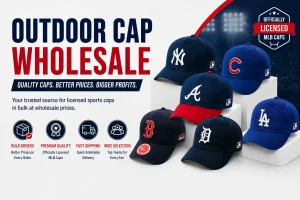 Outdoor Cap Wholesale: A Complete Guide to Buying Wholesale Outdoor Caps The demand for outdoor cap wholesale products continues to make caps an attractive category for retailers, sports stores,… Read guide →
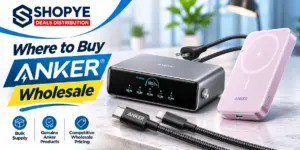 Where to Buy Anker Wholesale: Sourcing Guide for Electronics and Mobile Resellers Every device a customer owns is a charging problem waiting to happen, and Anker built its name on… Read guide →
 Where to Buy Owala Wholesale: Sourcing Guide for Sporting Goods and Gift Resellers The reusable water bottle went from commodity to cultural object in under a decade, and Owala rode that… Read guide →
 Where to Buy SadoTech Wholesale: Sourcing Guide for Home Improvement Resellers The wireless doorbell is the rare home product that sells itself in one sentence: no wiring, installs in… Read guide →
 Where to Buy Sennheiser Wholesale: Sourcing Guide for Music and AV Resellers Pro audio is a category where the name on the microphone decides the sale before the customer hears… Read guide →
 Where to Buy CLIF Bar Wholesale: Sourcing Guide for Grocery and Outdoor Resellers Energy bars are the rare grocery category that sells in the checkout lane, the gym bag, the trailhead,… Read guide →