Quick buyer overview
This long-form guide is now organized for faster scanning. Jump to the section you need, search other Shopye articles, or continue reading the full wholesale breakdown.
- Compare MOQ, pricing, and supplier reliability before ordering.
- Use the section index to jump straight to price, supplier, or FAQ details.
- Search more wholesale guides without leaving the article page.
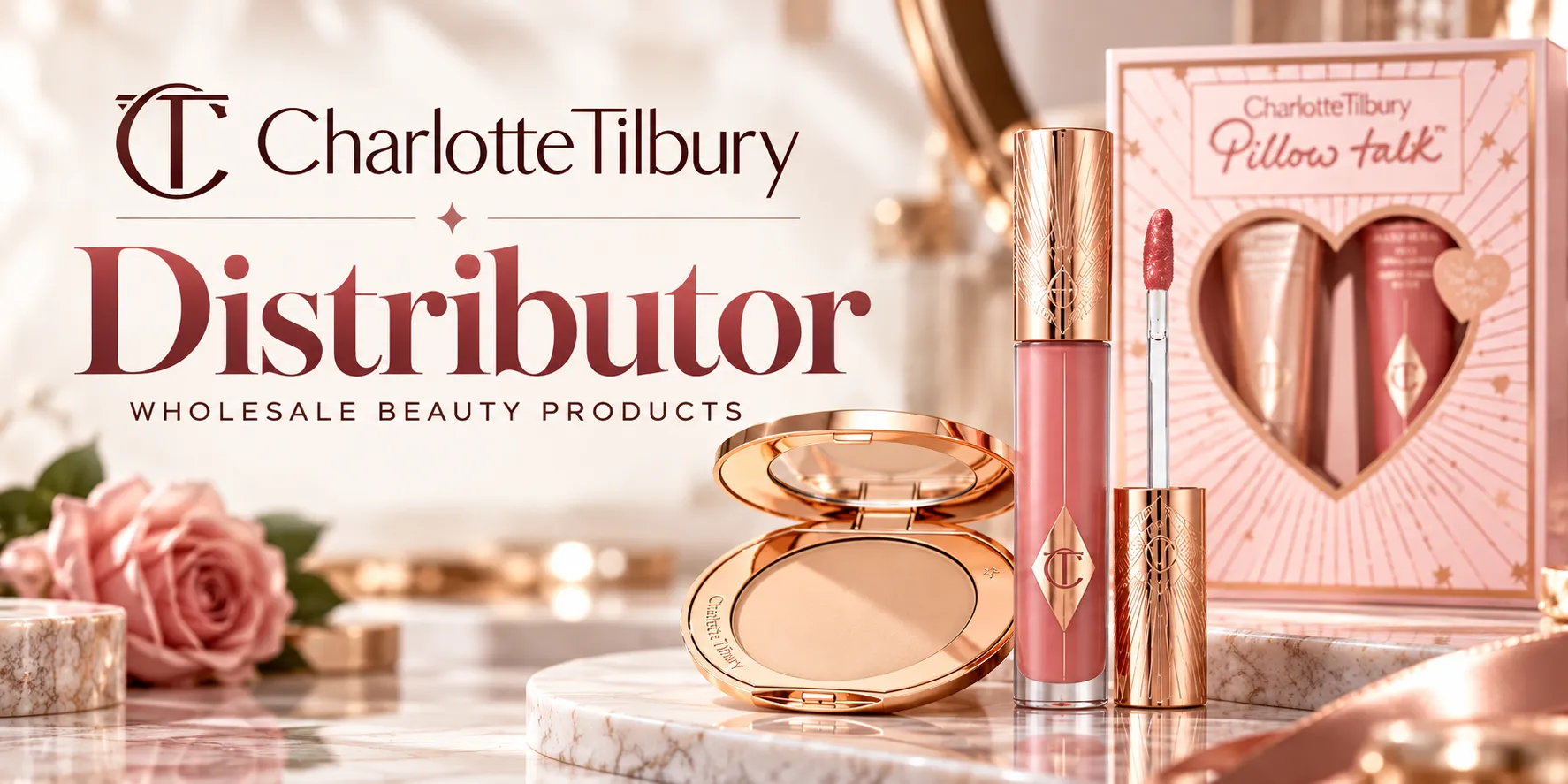
To become a Charlotte Tilbury distributor, prepare a registered business, resale or tax documents, a credible retail channel, and a clear purchasing plan. Then approach the brand or a traceable B2B supplier, verify territory and channel permissions, compare landed costs, and keep complete invoices for every business order you place.
Becoming a stockist is not simply a matter of finding inventory. The durable route combines a legitimate business, a sales channel the supplier can evaluate, documented product origin, and economics that still work after freight, duties, payment fees, marketplace charges, and returns. The right route depends on your scale, territory, and intended channel.
This guide explains the practical steps without assuming that Charlotte Tilbury offers the same account program in every market. Brand approval, distributor access, and resale permissions can change, so confirm current terms directly with the relevant party before committing funds.
Choose the sourcing route that matches your business
Start with the route, not the product list. Each path creates a different balance of access, documentation, buying flexibility, and commercial risk.
| Route | Best fit | Main advantage | Main constraint |
| Brand-direct | Established retailers | Strongest relationship | Selective access |
| Authorized channel | Regional buyers | Clearer provenance | Territory limits |
| B2B supplier | Flexible assortments | Practical entry | Verify every lot |
| Grey market | Not recommended | Possible availability | Highest risk |
Brand-direct account
A direct relationship can provide the clearest communication, account support, and territory guidance. It also tends to require the strongest retail presentation and business case. Prepare to explain where you sell, who your customers are, how you protect brand positioning, and what your purchasing plan looks like. Do not treat an application as guaranteed approval.
Authorized regional distributor
Where a brand uses regional distribution, a distributor may onboard retailers for a defined territory or channel. Ask for current evidence of the relationship and confirm that your country and sales channel are covered. A valid arrangement for a physical store in one country may not cover export or third-party marketplaces.
Independent B2B supplier
An established supplier can be useful when direct access is unavailable or when a retailer needs a mixed order. The buyer still has to validate invoices, chain of custody, product condition, lot details, and resale fit. For current buying options, review the charlotte tilbury wholesale page and request a quote for the specific products or shades you need.
Grey-market seller
Unclear sourcing, unusually low prices, missing invoices, altered packaging, or pressure to pay through an unprotected method are warning signs. Even genuine units can create problems if the seller cannot document provenance or if the goods were diverted across territories. Availability alone is not a safe sourcing standard.
Prepare the documents a supplier is likely to review
Retailer requirements vary, and no generic checklist can promise brand approval. Still, most credible B2B conversations move faster when the buyer has the following information ready:
- Business identity: Registered legal name, trading name, company address, contact details, and ownership or officer information where requested.
- Tax and resale documents: A resale certificate, sales-tax permit, VAT registration, or local equivalent when applicable to the buyer and jurisdiction.
- Retail presence: A working website, store details, marketplace profile, or other evidence showing where and how products will be sold.
- Channel plan: A clear statement of whether sales will occur in stores, on the retailer’s own site, through marketplaces, or across several channels.
- Territory: The countries in which the business intends to buy, advertise, ship, and resell products.
- Purchasing plan: The categories, products, shades, order cadence, and budget range the buyer is prepared to discuss privately.
- Compliance process: How the business will store cosmetics, manage lot tracking, handle damaged goods, and process returns or recalls.
A polished application is specific but not inflated. If you are a new retailer, show a credible operating plan rather than inventing sales history. Suppliers can evaluate a smaller, well-organized account more confidently than a vague application built around aggressive projections.
Dropshipping is possible only with a documented, channel-safe setup
Charlotte Tilbury dropshipping is often presented online as a low-capital shortcut, but prestige beauty makes the model difficult. The supplier must hold genuine stock, protect products from heat or damage, ship within the promised window, provide traceable paperwork, and support returns. The retailer must also ensure that the intended sales channel permits the arrangement.
Before using any dropship supplier, confirm who owns the inventory, whose name appears on the invoice and packing slip, whether tracking is provided, how stock is synchronized, how damaged cosmetics are handled, and whether the supplier can ship to every destination you advertise. Request a test order before scaling.
If those questions cannot be answered in writing, holding a controlled amount of inventory may be safer than sending customer orders into an opaque fulfillment chain. The lowest upfront commitment is not necessarily the lowest-risk model.
Know the difference between the brand, owner, and manufacturer
“Who makes Charlotte Tilbury?” can mean several different things. Charlotte Tilbury is the consumer-facing beauty brand. Puig announced in 2020 that it would acquire a majority stake in Charlotte Tilbury Limited, while the founder retained a significant minority interest and continued in leadership. Puig later described the relationship as a majority-stake partnership.
That ownership fact does not identify the factory for every product, and it does not prove that a reseller is authorized. Manufacturing entities can vary by product and market. For ownership context, see Puig’s official partnership announcement. For product-level origin, use the packaging, regulatory label, batch information, and documentation attached to the exact stock being offered.
Treat the UK, Europe, and other regions as separate compliance markets
A retailer seeking a UK stockist relationship should confirm local account requirements, tax status, delivery coverage, permitted channels, and whether exports are allowed. A UK supply route should not be assumed to grant rights in the European Union or elsewhere.
For European sales, check the destination country’s value-added tax treatment, importer responsibilities, cosmetics labeling, product notifications where applicable, and consumer-return rules. After Brexit, moving goods between Great Britain and the European Union can add customs and tax steps that do not exist in a domestic order.
The same principle applies outside Europe: verify territory, channel, language and labeling obligations, customs classification, restricted-ingredient rules, and the party responsible for regulatory compliance. Obtain professional customs or regulatory advice for the countries you actually serve; a supplier invoice does not replace legal compliance.
Calculate landed cost before judging a quote
The quoted unit price is only the starting point. A useful comparison converts every route into a fully landed unit cost and then tests the result against realistic selling expenses.
Landed unit cost = (goods + freight + insurance + duties + brokerage + payment costs + prep and labeling) ÷ sellable units
Then subtract channel fees, fulfillment, expected returns, promotions, and customer-service costs from the expected net selling revenue. Use sellable units rather than ordered units if testers, damaged items, or noncompliant packaging reduce the quantity you can actually list.
Compare quotes on the same assumptions. A lower product cost can become more expensive after freight or prep, while a higher documented cost can reduce operational and authenticity risk. Ask suppliers for a written quote rather than publishing or relying on a generic figure that may not match your products, destination, or order size.
Verify authenticity and commercial fit before paying
Supplier checks should happen before the first payment and again when the source, product lot, or payment instructions change. Use a documented workflow:
- Confirm the legal entity. Match the company name, address, invoice details, website, business email, and payment beneficiary. Investigate unexplained differences.
- Ask for a sample invoice. Check whether it identifies the seller, buyer, products, quantities, and transaction terms clearly enough for your records and channel needs.
- Request provenance evidence. Ask how the goods were obtained and what documentation supports that route. Do not rely on a logo, verbal assurance, or product photo alone.
- Inspect product-level details. Review packaging, seals, batch or lot identifiers, labeling, shade names, unit condition, and remaining shelf life where relevant.
- Verify channel and territory fit. Confirm whether the goods may be resold where you plan to list them. Marketplace acceptance and brand authorization are separate questions.
- Use controlled payment terms. Avoid unexplained beneficiary changes, personal payment requests, cryptocurrency demands, or pressure to pay before due diligence is complete.
- Place a test order. Inspect receiving accuracy, packaging, documentation, and product condition before increasing volume.
- Keep an audit trail. Save quotes, invoices, payment records, shipment documents, supplier messages, photographs, and lot information with the purchase record.
For a broader workflow, use the beauty supplier hub to compare sourcing models, the supplier trust guidance to structure due diligence, and the landed-cost guide to compare quotes on consistent assumptions.
Frequently asked questions
How do I become an approved Charlotte Tilbury stockist?
Start by preparing your registered business details, tax or resale documents, retail-channel information, territory, and purchasing plan. Contact the brand or the relevant regional account route and ask for current requirements. Approval is discretionary, and requirements may vary by market, channel, store type, and business maturity.
Can a new online store apply for a distributor account?
A new store can ask, but a brand or distributor may prefer evidence of an operating retail business, a professional website, relevant category experience, and a credible purchasing plan. Do not invent trading history. If direct access is unavailable, consider a documented B2B supplier while building a verifiable sales record.
Is Charlotte Tilbury dropshipping a safe business model?
It is only as safe as the supplier and fulfillment process behind it. Confirm authentic inventory, invoices, channel permissions, stock synchronization, packaging standards, tracking, returns, and territory coverage. Run a test order before accepting customer demand. An opaque dropship source creates authenticity, delay, and refund risks.
Who owns the Charlotte Tilbury brand?
Puig announced a majority investment in Charlotte Tilbury Limited in 2020, while founder Charlotte Tilbury retained a significant minority interest and continued in leadership. Ownership should not be confused with product-level manufacturing or reseller authorization. Verify the exact stock, invoice chain, and account permissions separately.
Can a UK distributor supply retailers in Europe?
Possibly, but never assume that a UK relationship covers European Union markets. Confirm export rights, destination coverage, VAT treatment, customs responsibilities, cosmetics labeling, product notifications where required, and the permitted sales channels. The buyer should obtain professional advice for the countries in which it will actually sell.
What costs should I include in a sourcing decision?
Include product cost, freight, insurance, duties, brokerage, payment fees, preparation, labeling, storage, fulfillment, marketplace charges, returns, promotions, and damaged or unsellable units. Compare suppliers using landed cost per sellable unit, then test the remaining contribution against realistic net revenue rather than a headline retail price.
How can I check whether a supplier sells authentic products?
Verify the legal business and payment beneficiary, request itemized invoices and provenance documentation, inspect packaging and lot details, confirm product condition, and place a controlled test order. Be cautious when prices are implausibly low, paperwork is missing, or the seller refuses to explain where the inventory came from.
Can I keep distributor account terms private?
Keep pricing, minimum order quantities, lead times, and account-specific conditions in private quote conversations. Public content can explain the application process and due-diligence standards without exposing negotiated terms. Buyers who are ready to source can review the commercial page and request a quote for their exact assortment.
If your business is ready to compare available products after completing these checks, visit the charlotte tilbury wholesale page. Request a quote for the exact products or shades you need; availability and commercial terms should be confirmed privately.
More wholesale article previews
Use these related guides to compare brands, categories, and supplier options before making your next wholesale order.
 SKIN1004 Wholesale Distributor | Bulk Skincare Distribution Looking for SKIN1004 wholesale products can be a smart move for retailers, online sellers, beauty stores, and resellers… Read guide →
  Skincare Wholesale Distributors USA: A Practical Sourcing Guide for Retailers For retailers looking for reliable skincare wholesale distributors USA, Shopye Deals Distribution provides a practical B2B sourcing option… Read guide →
  Where to Buy COSRX Wholesale: A Sourcing Guide for Beauty Resellers Thousands of beauty resellers search for where to buy cosrx wholesale every month. The right answer depends on… Read guide →
  Smoke Buddy Wholesale: Where to Buy Smoke Buddy Products in Bulk Finding the right wholesale source can make a big difference for smoke shops, retailers, online sellers, and resellers… Read guide →
  Wholesale Fragrance Suppliers: How to Find the Right Supplier for Your Business The fragrance market offers strong opportunities for retailers, beauty stores, online sellers, and businesses that purchase products for… Read guide →
  Rhode Wholesale: A Complete Guide for Beauty Retailers & Resellers Rhode has quickly established itself as a recognizable name in modern skincare and beauty, with a product range… Read guide →