Quick buyer overview
This long-form guide is now organized for faster scanning. Jump to the section you need, search other Shopye articles, or continue reading the full wholesale breakdown.
- Compare MOQ, pricing, and supplier reliability before ordering.
- Use the section index to jump straight to price, supplier, or FAQ details.
- Search more wholesale guides without leaving the article page.
If you want to grow a business online, learning how to buy wholesale on amazon is an important step in 2026. Wholesale buying means purchasing products in large quantities from USA Amazon wholesale suppliers, at lower prices and then using those products for business operations or resale. Many companies and e-commerce sellers now use Amazon as a reliable marketplace to source bulk inventory, manage supply chains, and scale their sales.
Wholesale buying on Amazon is different from normal retail shopping. Instead of purchasing a single item for personal use, you buy multiple units from suppliers or distributors at a discounted rate. This approach helps you reduce cost per unit and improve profit margins. Businesses also benefit from easier inventory management and faster product sourcing when they use the wholesale model.
In 2026, Amazon supports wholesale activity through two main approaches. The first method is bulk purchasing for business operations through Amazon Business. Many companies use this system to buy office supplies, tools, equipment, and other operational products at business-only pricing. With features like quantity discounts, quote request (RFQ), and tax exemption support, Amazon Business works as a modern procurement platform for organizations that need reliable bulk purchasing.
The second method is the Amazon wholesale reselling model. In this model, you purchase branded products from authorized distributors or brands and then resell those items on the platform using services like Amazon Seller Central. Many sellers also use the Fulfillment by Amazon system to store inventory, manage shipping, and handle customer orders. This model is often called Amazon FBA wholesale because it focuses on reselling established brands instead of creating new private label products.
Both methods show how Amazon supports two different types of users. Procurement buyers can use the platform to source bulk supplies for their business operations, while e-commerce sellers can build a profitable online store by sourcing inventory from wholesale suppliers. When you clearly understand how these two systems work, you can choose the right strategy for your goals and build a strong wholesale process on Amazon.
What Does Buying Wholesale on Amazon Mean?
To understand how to buy wholesale on Amazon, you first need to understand what wholesale sourcing means in the e-commerce and supply chain environment. Wholesale sourcing is the process of purchasing products in large quantities directly from brands, manufacturers, or authorized distributors. Because you buy in bulk, suppliers usually offer lower unit prices. This pricing structure helps businesses control costs, manage inventory efficiently, and improve profit margins.
When you use wholesale sourcing, you are not buying products for personal use. Instead, you purchase inventory for business purposes. Many companies use wholesale buying to stock products for resale, office operations, or distribution. On platforms like Amazon, wholesale sourcing has become easier because businesses can connect with suppliers, distributors, and bulk inventory listings through one digital marketplace.
Definition of wholesale sourcing
Wholesale sourcing refers to purchasing products in large quantities from a supplier at a reduced price per unit. The supplier can be a manufacturer, a brand owner, or an authorized distributor. Businesses then use these products either for operational use or for resale in the market.
For example, an e-commerce seller may buy 100 units of a branded product from a distributor. Because the order is placed in bulk, the supplier offers a discounted wholesale price. The seller can then list those products on Amazon and sell them to customers at a retail price. The difference between the wholesale cost and the retail selling price becomes the seller’s profit margin after marketplace fees and fulfillment costs.
Wholesale sourcing also involves important business processes such as supplier negotiation, invoice compliance, resale certificates, and inventory management. These elements help maintain professional relationships with suppliers and ensure your products meet marketplace policies.
Difference between retail purchasing and bulk procurement
Retail purchasing and wholesale procurement may look similar, but they serve different purposes in business operations.
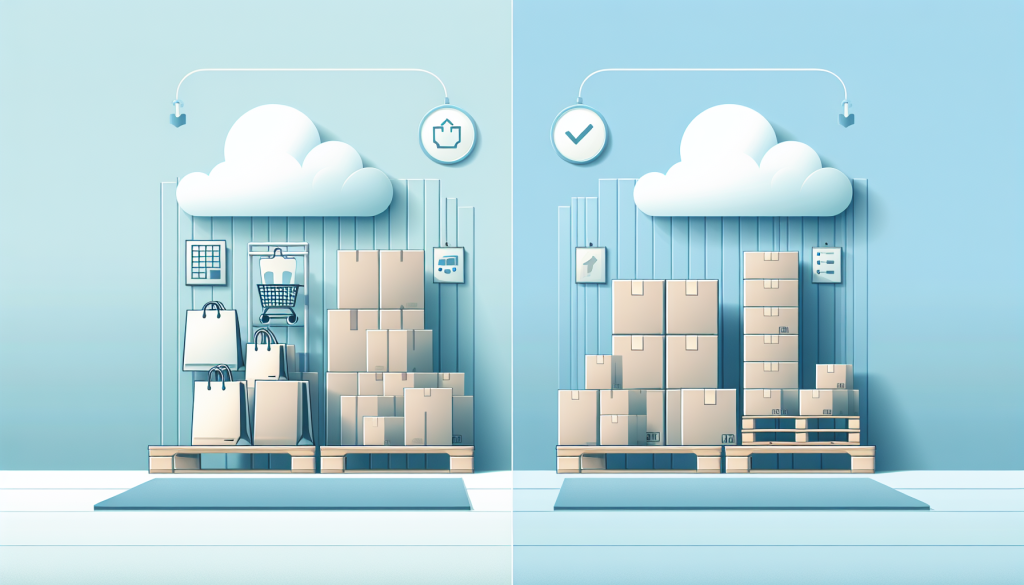
Retail purchasing usually happens when you buy a single product or a small quantity for personal use. The price is higher because it includes the retailer’s markup and distribution cost. Retail buyers normally do not receive special pricing or supplier agreements.
Bulk procurement, on the other hand, is a structured purchasing process used by businesses. In this model, you buy large quantities of products at discounted rates. Bulk procurement also involves documentation such as tax identification numbers, resale certificates, and supplier invoices. Businesses use this process to reduce costs and secure a stable inventory supply.
Bulk procurement is also connected to supply chain management. Companies monitor product demand, order quantities, and logistics to ensure their inventory flow remains stable. Because of these factors, wholesale buying becomes a strategic process rather than a simple product purchasing.
Two ways businesses buy wholesale on Amazon
Businesses can use two main approaches when they want to buy wholesale inventory on Amazon. The platform provides tools for both corporate procurement buyers and e-commerce sellers who want to resell products online.
The first approach focuses on business procurement. Companies purchase bulk products to support their operations, such as office supplies, electronics, tools, or maintenance equipment. The second approach focuses on e-commerce resale, where sellers purchase branded inventory from distributors and list those products on Amazon for profit.
These two models operate differently, but both rely on wholesale sourcing and bulk purchasing strategies.
Buying bulk inventory for business use through Amazon Business
Many organizations purchase bulk supplies through Amazon Business. This platform is designed for companies that want a simple and reliable procurement system. When you create a business account, you gain access to business-only pricing, quantity discounts, and tools that help manage purchasing activity.
For example, your company may need large quantities of office equipment, cleaning supplies, or technical tools. Instead of purchasing items individually, you can place bulk orders through Amazon Business. This allows you to control spending, track orders, and simplify procurement workflows.
Amazon Business also supports request for quote features, tax exemption options, and purchase approval systems. These tools make it easier for companies to handle large orders while maintaining financial transparency and inventory planning.
Buying branded products to resell using the Amazon FBA wholesale model
The second method involves purchasing branded products from suppliers and reselling them on Amazon. This strategy is commonly known as the Amazon FBA wholesale model. In this system, you source products from authorized distributors or brand partners and then list them on the marketplace using a seller account.
Most sellers manage their business through Amazon Seller Central. This dashboard allows you to upload product listings, manage inventory, monitor sales data, and track customer orders.
Many wholesale sellers also use Fulfillment by Amazon. With this service, you send your inventory to Amazon fulfillment centers, and the platform manages storage, shipping, and customer service. This system allows you to scale your e-commerce business while focusing on supplier sourcing, product research, and profit analysis.
When you clearly understand these two wholesale methods, you can choose the strategy that fits your business goals. Whether you need bulk supplies for operations or inventory for resale, Amazon provides the infrastructure to support both procurement buyers and e-commerce entrepreneurs.
Method 1: How to Buy Wholesale on Amazon for Your Business
Create a business account on Amazon Business
If you want to manage bulk purchasing professionally, you should start by creating a business account on Amazon Business. This platform is designed for companies that need structured procurement tools, bulk pricing, and supplier connections. When you set up a business account, you move from a standard retail buyer to a verified business purchaser. This allows you to access business-only pricing, larger order options, and advanced purchasing features.
Creating a business account is simple, but it requires some verification steps. The platform needs to confirm that you are operating a legitimate business. Once your account is approved, you can begin sourcing products in bulk and managing procurement directly through the Amazon marketplace.
Requirements such as tax ID, business registration, and account verification
To open a business account, you must provide basic business documentation. Most companies use a tax identification number such as an EIN, VAT number, or other local tax ID depending on the country where the business operates. This information helps Amazon verify that your company is registered and eligible for business transactions.
You may also need to provide details about your company registration. This could include the legal business name, company address, and type of business entity such as an LLC or corporation. The verification process ensures that suppliers are dealing with real businesses rather than individual retail buyers.
After you submit the required information, the platform completes an account verification process. Once verified, you gain full access to the business procurement system. Many companies also connect multiple employees to the same account so teams can manage purchasing, approvals, and budgeting together.
Benefits of business pricing and bulk discounts
One of the biggest advantages of using a business account is access to special pricing. Suppliers often provide lower prices for companies that purchase larger quantities. This business pricing helps you reduce procurement costs and manage inventory budgets more effectively.
Bulk discounts also help improve purchasing efficiency. For example, when you buy multiple units of the same product, the price per unit usually decreases. This pricing structure supports businesses that need to maintain a steady supply of equipment, office materials, or operational products.
Another advantage is better purchase tracking. Through the business dashboard, you can review order history, monitor spending, and organize supplier transactions. These features help your company maintain clear procurement records and support financial planning.
Use the buy-in-bulk tools on the platform
The bulk purchasing tools available on Amazon help businesses quickly locate products that offer quantity pricing. When you search for products on the platform, you will often see options that show different price levels based on order quantity.
These tools are designed to simplify procurement. Instead of contacting multiple suppliers manually, you can review bulk pricing directly in the product listing. This allows you to compare supplier offers and choose the best option for your business needs.
Businesses that manage large purchasing volumes often rely on these tools to streamline supply chain operations. Bulk purchasing tools also support faster ordering cycles, which is important for companies that need reliable product availability.
How quantity discounts work
Quantity discounts are based on the principle that suppliers reduce prices when businesses buy larger volumes. For example, if you purchase a single unit of a product, the price may be higher. However, if you order 50 or 100 units, the supplier may offer a lower price per unit.
This model benefits both sides of the transaction. Suppliers can move inventory faster, while businesses reduce their cost per product. In procurement strategy, this pricing method is often used to improve budget efficiency and maintain steady inventory levels.
When you analyze quantity discounts, you should always compare the total purchase cost with your expected usage or resale demand. This helps ensure that bulk orders remain profitable and do not create unnecessary inventory storage issues.
Where to find bulk purchase deals
Bulk purchase deals are available across many product categories on Amazon. When using a business account, you can filter results to show items that offer quantity discounts or business pricing.
You may also see supplier offers that include special pricing tiers for larger orders. These offers appear directly in product listings and allow you to calculate the cost difference between small and large purchase quantities.
In addition to product listings, the platform may highlight bulk deals through procurement dashboards or recommended supplier offers. These tools help businesses identify cost-saving opportunities and optimize purchasing decisions.
Request for Quote (RFQ) for large wholesale orders

For very large orders, Amazon provides a Request for Quote system. The RFQ feature allows businesses to request custom pricing from suppliers instead of accepting the listed price. This is useful when you plan to purchase high volumes of products.
Through the RFQ tool, businesses can describe the product, quantity requirements, and delivery expectations. Suppliers then review the request and submit competitive pricing offers. This process creates a bidding environment where sellers try to win your order by offering better prices or improved terms.
How RFQ works
The RFQ process is designed to support large procurement orders. When you submit a request, suppliers who sell the product receive the inquiry and respond with price proposals. These proposals may include discounted pricing, delivery schedules, or shipping conditions.
After receiving multiple responses, you can compare the supplier offers and choose the one that best fits your purchasing needs. This method allows businesses to negotiate better deals without leaving the platform.
Many companies use RFQ when the order value is high or when they need consistent supply agreements. It is a useful tool for managing large procurement budgets and building relationships with reliable suppliers.
When businesses should request supplier quotes
Businesses should consider using RFQ when the order quantity is large enough to justify price negotiation. For example, companies that plan to order hundreds or thousands of units often use this feature to reduce procurement costs.
RFQ is also useful when the product has multiple suppliers in the marketplace. In this situation, suppliers may compete to provide better pricing or shipping options. This competition helps businesses secure favorable purchasing terms.
If your company regularly purchases large volumes of the same product, RFQ can also support long-term supplier relationships. Over time, suppliers may offer better pricing and a more stable inventory supply.
Tax exemption for wholesale purchases
Another important advantage of business purchasing is tax exemption eligibility for certain transactions. Many businesses purchase products for resale, which means the products will eventually be sold to customers rather than used directly by the company.
When products are purchased for resale, tax regulations in many regions allow businesses to avoid paying sales tax during the initial purchase. Instead, tax is collected when the product is sold to the final customer.
How resale certificates work
A resale certificate is a document that confirms your business purchases products for resale purposes. When you provide this certificate to suppliers or connect it to your business account, it shows that the items you buy will be sold again in the market.
This certificate allows the supplier to process the order without adding sales tax to the invoice. The responsibility for collecting tax then shifts to the final retail transaction.
Many e-commerce sellers and wholesale businesses rely on resale certificates to manage tax compliance and maintain proper accounting records.
How businesses avoid paying sales tax for resale inventory
When you link your resale certificate to your business account, the platform can automatically recognize eligible purchases. This means qualifying orders are processed without adding sales tax at checkout.
For businesses that manage large inventory purchases, this system helps reduce upfront costs and simplify financial planning. It also ensures compliance with tax regulations because the tax is applied only when the product reaches the end customer.
By using a verified business account and proper tax documentation, you create a professional procurement system that supports efficient wholesale purchasing and responsible financial management.
Method 2: How to Buy Wholesale on Amazon to Resell Products
Understanding the Amazon FBA wholesale business model
The Amazon FBA wholesale business model is one of the most common ways ecommerce sellers build a stable online store. In this model, you purchase products in bulk from brands or authorized distributors and then resell those products on the marketplace. Instead of creating your own product, you sell items that already have demand and customer trust.
Most sellers manage their listings and inventory through Amazon Seller Central. This platform allows you to upload products, track inventory levels, monitor sales data, and manage customer orders. When you combine wholesale sourcing with Fulfillment by Amazon services, the platform stores your inventory and ships orders directly to customers.
The main advantage of this model is that you work with established brands that already have product recognition in the market. This reduces the time needed to build customer trust and product visibility. Many sellers choose wholesale because it allows them to focus on sourcing products and managing supplier relationships instead of product development.
How reselling established brands works
When you resell established brands, you purchase products directly from brand owners or approved distributors. These suppliers provide inventory at wholesale prices because you are buying multiple units at once. After purchasing the inventory, you list those products on the marketplace and sell them to customers at the standard retail price.
The difference between the wholesale purchase cost and the selling price becomes your gross profit. However, you must also consider marketplace fees, fulfillment charges, and shipping costs. Experienced sellers always calculate these expenses before placing a wholesale order.
Many successful sellers choose products that already have strong demand and steady sales. This helps reduce risk and improves the chances of consistent revenue. Because the product already exists on the platform, you usually join an existing listing rather than creating a new one.
Difference between wholesale and private label
Wholesale and private label are two different e-commerce strategies, even though both operate on the same marketplace.
In the wholesale model, you sell products that already belong to established brands. You do not change the product design or packaging. Instead, you act as a reseller who purchases inventory from authorized distributors and lists those products in the existing marketplace listings.
Private label works differently. In this model, you create your own brand and sell products under that brand name. Sellers usually work with manufacturers to produce customized items and packaging. While private label offers more brand control, it requires higher investment in product design, branding, and marketing.
Many beginners prefer wholesale because it focuses on product sourcing rather than brand creation. With wholesale, you rely on existing product demand and established brand recognition.
Step 1: Build a legitimate business presence
Before suppliers agree to work with you, they need to see that you operate a real business. Most brands and distributors will not approve orders from individuals who appear to be casual resellers. This is why building a legitimate business presence is an important first step.
Suppliers want to protect their brand reputation and distribution network. They usually require verification documents and professional communication before approving wholesale accounts.
Register an LLC or company
One of the first steps in building credibility is registering your business. Many sellers register a limited liability company or another legal business structure. This registration helps establish your company as a formal entity that can enter into supplier agreements.
Business registration also allows you to apply for tax identification numbers and resale certificates. These documents are required by many suppliers when you open a wholesale account. They also help you maintain proper accounting records for your e-commerce operations.
Create a professional website and business email
Suppliers often check your online presence before approving your application. A professional website helps show that you operate a real e-commerce business. Your website does not need to be complex, but it should clearly present your company name, business activities, and contact information.
A professional email address also adds credibility. Instead of using a personal email service, many sellers create a domain-based address such as [email protected]. This small step helps suppliers see that you operate a structured business rather than a temporary reseller account.
Importance of credibility when contacting suppliers
Credibility plays a major role when you start communicating with wholesale suppliers. Brands want to ensure their products are sold by responsible businesses that comply with marketplace policies and pricing rules.
When contacting suppliers, clearly introduce your company and state that you are interested in opening a wholesale account. Professional communication, complete documentation, and a verified business profile increase your chances of receiving approval.
Suppliers often review your business details before sending pricing catalogs or wholesale order forms. If your company appears reliable and organized, suppliers are more likely to establish long-term partnerships with you.
Step 2: Find authorized wholesale suppliers
After building your business foundation, the next step is finding authorized suppliers who can provide inventory at wholesale prices. Authorized suppliers are companies authorized by the brand to distribute its products to retailers.
Working with authorized distributors is important because it helps protect your business from counterfeit or unauthorized inventory issues. It also provides proper invoices that meet marketplace compliance standards.
Contact brands directly
One effective strategy is contacting brands directly. Many brands provide wholesale or dealer applications on their official websites. By applying directly, you can build a relationship with the brand and receive access to their distributor network or wholesale pricing lists.
Direct contact also helps you learn about the brand’s distribution policies. Some brands approve sellers only for specific regions or sales channels. Understanding these policies helps you avoid compliance problems in the future.
Use verified supplier directories
Another method is using trusted wholesale supplier directories. These directories list verified distributors and manufacturers that supply inventory to e-commerce businesses. They help you discover brands that accept new reseller applications.
When using supplier directories, you should review company details carefully. Reliable directories provide contact information, product catalogs, and verification processes to confirm supplier authenticity.
How to avoid fake wholesalers and retail resellers
One common challenge for new sellers is identifying fake wholesalers. Some websites claim to offer wholesale pricing but actually sell products at retail rates. This makes it difficult for sellers to earn a profit after marketplace fees.
Real wholesalers usually require business verification before giving access to pricing catalogs. They often ask for tax identification numbers, resale certificates, and company information. If a supplier allows anyone to view wholesale prices without verification, it may be a retail reseller rather than a true distributor.
You should also review supplier invoices carefully. Authentic distributors provide detailed invoices that include the company address, product quantities, and order information. These documents are important for marketplace verification and inventory compliance.
Step 3: Get ungated for restricted brands
Many well-known brands restrict sales on the marketplace to protect product authenticity and brand reputation. This restriction is called gating. If a product category or brand is gated, you must receive approval before listing those items for sale.
The approval process is handled through the seller dashboard in Amazon Seller Central. Once approved, you can list and sell products within that restricted brand or category.
What ungating means on Amazon
Ungating means gaining permission from the marketplace to sell products in a restricted category or brand listing. Amazon applies these restrictions to prevent counterfeit products and maintain marketplace quality.
To request approval, you usually submit supplier invoices that prove you purchased genuine inventory from an authorized distributor. The platform reviews these documents to confirm product authenticity and supplier legitimacy.
Invoice requirements for approval
Invoices used for approval must comply with specific standards. The document should clearly show the supplier’s company name, physical address, and contact information. It should also include your business name, order date, and the quantity of products purchased.
Most approval requests require invoices that show a minimum purchase quantity. The invoice must also match the address information listed in your seller account. If the details do not match, the approval request may be rejected.
Tips to pass brand category restrictions
To increase your chances of passing the ungating process, you should always purchase inventory from recognized distributors. Reliable suppliers provide invoices that meet the platform’s verification standards.
You should also ensure that your business information is consistent across all documents. The company name, address, and contact details on your invoice should match your seller account exactly.
Finally, always maintain clear records of supplier transactions and inventory purchases. Proper documentation helps protect your business from compliance issues and supports a professional wholesale operation.
Important Documents Needed for Amazon Wholesale
Resale certificate and tax ID
When you learn how to buy wholesale on Amazon, you must also understand the documentation required for professional sourcing. Two of the most important documents are the resale certificate and the business tax ID. These documents confirm that you operate a legitimate business and that you purchase products for resale rather than personal use.
A tax ID is a unique number issued by the government to identify your business for tax and financial reporting. Many wholesale suppliers request this number before they allow you to open a wholesale account. It helps them confirm that your company is registered and authorized to conduct business.
A resale certificate is another important document used in wholesale purchasing. This certificate shows that the products you buy are intended for resale to customers. As a result, the supplier may not charge sales tax on the wholesale order. Instead, sales tax is applied at the time the final customer purchases the product.
When you operate on platforms such as Amazon Seller Central, maintaining accurate documentation is essential. It helps your business stay compliant with tax rules, supplier agreements, and marketplace policies.
Why do suppliers require tax documentation
Wholesale suppliers usually work only with verified businesses. They require tax documentation to protect their distribution network and ensure products are sold through authorized channels.
When you provide a tax ID and resale certificate, you show the supplier that your company operates legally and follows business regulations. This helps build trust between you and the distributor. It also confirms that you are purchasing products for commercial purposes rather than personal retail use.
Another reason suppliers request tax documentation is to manage tax compliance. Wholesale transactions often follow different tax rules compared to retail sales. By collecting the proper documents from buyers, suppliers can process orders correctly and maintain accurate financial records.
For your business, providing tax documentation also helps you gain access to wholesale pricing catalogs and distributor accounts. Without these documents, many suppliers will not approve your application or share their product pricing.
Letter of Authorization (LOA)
A Letter of Authorization (LOA) is another important document in the wholesale sourcing process. This letter confirms that a brand or distributor allows your business to sell their products.
In many cases, brands want to control where their products are sold and which sellers represent their company in the marketplace. The LOA acts as written permission that confirms your right to distribute or resell the brand’s products.
Some distributors provide LOA documents automatically when you open a wholesale account. In other cases, you may need to request the letter directly from the supplier or brand owner. Keeping this document on file can be very useful if your seller account ever faces compliance questions.
How LOA protects sellers from IP complaints
One common risk in e-commerce is intellectual property complaints. These complaints occur when a brand claims that a seller is offering products without proper authorization. When such a complaint is submitted, the marketplace may temporarily remove the product listing or investigate the seller account.
A Letter of Authorization helps protect you in these situations. If a brand questions your right to sell their product, you can provide the LOA as proof that you received permission from the authorized supplier or brand partner.
This document shows that your inventory came from a legitimate distribution channel. It also confirms that you are not selling counterfeit or unauthorized products. As a result, many experienced sellers request an LOA when they begin working with new suppliers.
Invoice compliance for Amazon verification
Invoices are one of the most important documents in wholesale operations. They serve as proof that you purchased inventory from a legitimate distributor. Marketplaces often request invoices when reviewing seller accounts, verifying product authenticity, or approving restricted categories.
Proper invoice compliance helps protect your business during these verification processes. If your invoices clearly show that the products were purchased from authorized suppliers, the platform can confirm that your inventory is genuine.
Sellers usually upload invoices through their account dashboard in Amazon Seller Central when they request category approval or respond to compliance checks. For this reason, keeping organized supplier records is essential for long-term business stability.
Information that must appear on supplier invoices
A compliant supplier invoice must include specific information that verifies the transaction. The document should clearly display the supplier’s company name, physical business address, and contact information. This information confirms that the supplier is a legitimate distributor.
The invoice must also show your business name and address exactly as it appears in your seller account. If the details do not match, the platform may reject the document during verification.
Other important information includes the invoice date, product descriptions, quantity purchased, and the total order value. The document should clearly show that the products were purchased in bulk from the distributor.
It is also important that invoices are issued directly by the supplier rather than created manually by the seller. Authentic invoices provide evidence that the inventory came from a verified supply chain.
Maintaining accurate invoices and documentation helps you operate a professional wholesale business. When your records are complete and compliant, you reduce the risk of account issues and build stronger relationships with suppliers and marketplace platforms.
How to Evaluate Profit Before Buying Wholesale Inventory
Using the Amazon FBA calculator
Before you place a wholesale order, you should always evaluate the product’s potential profit. Many new sellers focus solely on the supplier price and fail to account for the full cost of selling on the marketplace. A simple and effective way to avoid this mistake is to use the FBA calculator in Amazon Seller Central.
The Amazon FBA calculator helps you estimate the real profit of a product before you buy inventory. You enter key details such as the product selling price, wholesale purchase cost, shipping cost to the warehouse, and expected fulfillment method. The calculator then shows the estimated referral fee, fulfillment charges, and total selling expenses.
When you use this tool, you can quickly see if a product has strong profit potential or if the margin is too small. Professional wholesale sellers rely on this calculation before placing any purchase order. This step helps you protect your investment and manage inventory risk.
Understanding referral fees and fulfillment costs
When you sell products on Amazon, the platform charges several service fees. Two of the most important costs are referral fees and fulfillment fees. Understanding these costs is essential when you calculate wholesale profit.
A referral fee is the commission Amazon charges for each product sold through the marketplace. This fee is usually calculated as a percentage of the product’s selling price. For many product categories, the referral fee is approximately 15%, although the exact percentage may vary by category.
Fulfillment costs apply when you use the Fulfillment by Amazon service. With this system, you send your inventory to Amazon warehouses, and the platform stores the products, packs customer orders, and handles shipping. Amazon charges a fulfillment fee for these services. The cost depends on the product’s size, weight, and packaging.
These fees are important because they directly affect your profit margin. If you ignore them while sourcing products, you may buy inventory that looks profitable but actually produces very small returns.
Estimating wholesale profit margins
After you calculate all the marketplace fees, you can estimate the real profit margin of a product. Profit margin shows the percentage of revenue that remains after all expenses are paid.
To estimate the margin, you should include all costs associated with the product. This includes the wholesale purchase price, shipping cost from the supplier, fulfillment charges, referral fees, and any preparation cost for packaging or labeling.
For example, imagine you buy a product from a distributor for ten dollars per unit. If you sell that product for twenty dollars, the difference may look large at first. However, after subtracting referral fees, fulfillment charges, and shipping costs, your final profit may be smaller. The FBA calculator helps you see these details clearly before making a purchasing decision.
Experienced wholesale sellers review these numbers carefully before ordering inventory. This approach helps you build a stable business with predictable profit levels.
Common profit margin benchmarks for wholesale sellers
Most wholesale sellers follow certain profit benchmarks when selecting products. These benchmarks help you determine whether a product is worth purchasing or whether the margin is too low.
Many sellers aim for a minimum profit margin between ten and thirty percent after all fees are deducted. This range allows you to maintain healthy business operations while covering unexpected expenses such as price changes or return costs.
Another common strategy is to use the return-on-investment method. In this approach, sellers compare the profit earned from a product to the cost of purchasing the inventory. Many experienced sellers look for products that can generate at least thirty percent return on investment.
These benchmarks are not strict rules, but they provide useful guidelines when you evaluate potential wholesale products.
Avoiding low-margin products
One of the most common mistakes in wholesale sourcing is choosing products with very small profit margins. When the margin is too low, even small changes in price or fees can remove your profit completely.
Low-margin products often appear attractive because they are from popular brands or belong to high-demand categories. However, strong competition can drive prices down, reducing your earning potential.
To avoid this problem, you should always analyze the market before purchasing inventory. Look at the current selling price, the number of sellers on the listing, and the estimated fees. If the profit margin is very small after calculations, it is usually better to search for another product.
Another helpful strategy is working with reliable suppliers who offer competitive wholesale pricing. When you secure lower purchase costs, you create more space for profit even after marketplace fees are applied.
Careful profit analysis is an important part of learning how to buy wholesale on Amazon successfully. When you combine supplier sourcing with accurate cost calculations, you can build a wholesale strategy that supports long-term growth and stable revenue.
Shipping and Logistics for Wholesale Orders
Small parcel vs pallet shipping
When you start buying wholesale inventory, shipping logistics becomes an important part of your business operations. The way you transport products from suppliers to warehouses can affect both cost and efficiency. Most wholesale sellers use two main shipping methods: small parcel shipping and pallet shipping.
Small parcel shipping refers to sending individual boxes through courier services. Each package is handled separately and delivered through standard parcel networks. This method is commonly used when your order quantity is small or when you are testing a new product.
Pallet shipping is different. Instead of shipping multiple small boxes individually, the products are stacked on a pallet and wrapped as a single shipment unit. Pallets are usually transported through freight carriers rather than normal parcel services. This method is common in wholesale operations because it enables businesses to move larger inventory volumes at once.
If you manage your inventory through Amazon Seller Central, you will often see these two shipping options when preparing shipments for fulfillment centers.
When to use each shipping method
Choosing the right shipping method depends on your order size and business stage. Small parcel shipping is usually the best option when you are starting your wholesale business or testing new products. If you are sending a small number of units to the warehouse, individual parcel shipments are easier to manage and require less coordination.
Small parcel shipping is also useful when you need faster delivery or when your supplier ships products in small boxes. Many courier services offer tracking and quick transport times, which can help you move products to the warehouse quickly.
Pallet shipping becomes more efficient when your order volume increases. If you purchase large quantities from distributors, shipping many individual boxes can become expensive. In these cases, consolidating the inventory onto pallets helps reduce handling and transportation costs.
Experienced sellers often move from parcel shipments to pallet shipments as their wholesale business grows and order quantities increase.
Using LTL freight for wholesale inventory
When you ship palletized inventory but do not have enough products to fill an entire truck, the most common option is LTL freight. LTL stands for Less Than Truckload. This shipping method allows multiple businesses to share space in the same freight truck.
With LTL freight, your pallet shipment is consolidated with other shipments to similar destinations. Each business pays only for the portion of truck space used by its inventory. This system helps reduce transportation costs compared to booking a full truck.
Many wholesale sellers use LTL shipping when sending bulk inventory to warehouses operated by Amazon. This method works well when you need to move large quantities of products without paying for a complete freight vehicle.
How LTL shipping reduces cost for large orders
One of the biggest advantages of LTL freight is cost efficiency. When you ship multiple boxes individually, each parcel incurs its own handling, labeling, and transportation fees. These costs can increase quickly when you manage large wholesale orders.
LTL freight reduces costs by consolidating your shipment into a single pallet. Instead of paying for many small packages, you pay for the pallet space used in the freight truck. Because the truck carries shipments from several businesses, the transportation cost is shared.
This approach is especially helpful for wholesale sellers who regularly order inventory from distributors. By using pallet shipments and LTL freight, you can move larger inventory volumes while maintaining better control over shipping expenses.
Inventory preparation for Amazon warehouses
Before your products are shipped to fulfillment centers, you must prepare the inventory according to marketplace requirements. Proper preparation helps ensure that your shipment is accepted quickly and processed without delays.
Inventory preparation usually includes labeling each unit with the correct product identification code. Products may also require protective packaging or poly bags, depending on the category. In some cases, sellers must place barcode labels on each product so the warehouse can track inventory accurately.
You also need to organize cartons properly before shipping. Boxes should be sealed securely and labeled with the shipment identification information generated inside your seller dashboard. If you are sending pallet shipments, the cartons must be stacked evenly and wrapped with protective film to prevent damage during transport.
Careful preparation ensures that your wholesale inventory moves smoothly through the fulfillment system. When shipments arrive correctly packaged and labeled, the warehouse can receive the products quickly and make them available for sale without delays. This preparation process helps maintain efficient inventory management and supports reliable order fulfillment for your customers.
Common Mistakes Beginners Make When Buying Wholesale on Amazon
Buying from unauthorized suppliers
One of the most common mistakes when learning how to buy wholesale on Amazon is sourcing inventory from unauthorized suppliers. Many new sellers focus only on finding low prices and forget to check whether the supplier is officially allowed to distribute the brand’s products. This mistake can create serious problems for your e-commerce business.
Authorized suppliers are companies authorized by the brand owner to distribute its products. These suppliers typically provide proper invoices, product documentation, and, in some cases, a Letter of Authorization. When you buy from verified distributors, you can prove that your products are authentic and legally sourced.
Unauthorized suppliers, on the other hand, may not have the right to sell the brand. Their products may come from unknown supply chains, retail arbitrage sources, or liquidation inventory. Even if the product is genuine, a lack of proper documentation can cause issues during marketplace reviews of your account.
When you manage your store through Amazon Seller Central, the platform may request invoices to confirm product authenticity. If you cannot provide compliant invoices from authorized distributors, your listings may be removed or your account may face restrictions. This is why professional sellers always verify suppliers before placing wholesale orders.
Ignoring Amazon fees
Another common mistake is ignoring Amazon’s fees. Many beginners look only at the wholesale purchase price and the expected selling price. They assume the difference between these two numbers will be their profit. In reality, several marketplace fees must be considered before calculating profit margins.
The platform usually charges referral fees for each product sold. This fee is a percentage of the selling price and varies by product category. In addition, sellers who use the fulfillment service must pay storage, packaging, and shipping fees.
If you do not include these costs in your calculations, you may choose products that look profitable but actually generate very small returns. This mistake often leads to slow business growth and unnecessary financial risk.
Experienced wholesale sellers always analyze the complete cost structure before buying inventory. They calculate supplier price, shipping cost, referral fees, fulfillment charges, and other operational expenses. This process helps ensure that the final profit margin remains healthy.
Not checking brand restrictions
Brand restrictions are another factor that many beginners overlook. Some brands and product categories are restricted on the marketplace. This means sellers must receive approval before listing these items for sale.
If you buy wholesale inventory without checking brand restrictions first, you may discover later that you cannot sell the product on the platform. This situation can create inventory problems because your capital becomes locked in products that cannot be listed.
Before placing a wholesale order, you should always check the product listing inside your seller account. The system will indicate whether the product requires approval or if the brand is restricted. If approval is required, you must complete the verification process before listing the item.
The approval process typically requires supplier invoices and, in some cases, additional documentation. By checking restrictions early, you avoid purchasing inventory that cannot be sold.
Ordering too much inventory without testing demand
Another major mistake is ordering large quantities of inventory before confirming product demand. Wholesale purchasing often requires buying multiple units, but this does not mean you should place very large orders immediately.
Some sellers assume that high-demand products will always sell quickly. However, competition, price changes, and seasonal trends can affect sales volume. If you invest too much capital in a single product before testing the market, you may end up holding slow-moving inventory.
A safer strategy is to start with smaller wholesale orders. This allows you to monitor how quickly the product sells and how competitive the listing is. Once you confirm that the product performs well, you can increase order size and build a more stable supply relationship with the distributor.
Testing demand before scaling inventory also helps you manage cash flow. Your business capital remains flexible, which allows you to explore multiple products instead of relying on a single item.
By avoiding these common mistakes, you improve your chances of building a stable wholesale business. Careful supplier verification, accurate cost calculations, brand-restriction checks, and smart inventory planning are essential practices for long-term success in the wholesale e-commerce model.
Wholesale Startup Budget in 2026
When you are learning how to buy wholesale on Amazon, one of the first decisions you need to make is how much money to invest in your business. Starting capital is essential because it allows you to purchase inventory, cover shipping costs, pay marketplace fees, and prepare for unexpected expenses. Without enough funding, it becomes difficult to run a professional wholesale operation and take advantage of bulk discounts or high-demand products.
For most new wholesale sellers in 2026, the recommended starting capital ranges from $2,000 to $5,000. This amount provides sufficient flexibility to test a few products, cover initial shipping and fulfillment costs, and lay the foundation for building a larger inventory over time. Starting with this capital allows you to gain experience in sourcing, calculating margins, and managing supplier relationships without taking on excessive financial risk.
Starting below this range may limit your access to bulk orders and authorized suppliers, while investing significantly more without experience can increase your exposure to financial loss. Carefully planning your initial capital ensures that you can begin operations professionally and scale gradually.
Cost breakdown for first inventory order
Understanding where your starting capital goes is critical for effective budget planning. A typical first inventory order includes several cost components:
- Wholesale product cost – the price you pay your supplier for the items. It is usually lower per unit than retail pricing, but the total cost depends on the quantity purchased. Most beginner wholesale orders fall in the range of $1,000 to $3,000 for a balanced first order.
- Shipping costs – Depending on your supplier and order size, shipping costs may vary. Small parcel shipping is suitable for smaller orders, but larger bulk purchases often require pallet shipments or LTL freight. Shipping expenses can range from a few hundred to over a thousand dollars, depending on distance and volume.
- Marketplace fees – Selling on platforms like Amazon entails paying referral, fulfillment, and other service charges. These fees typically range from 15% to 20% of the selling price and must be included in your profit calculations.
- Inventory preparation – Some products require labeling, packaging, or bundling to meet warehouse compliance standards. Preparation costs are often small per unit but add up when working with large quantities.
- Contingency fund – It is wise to set aside a small portion of your capital (5–10%) for unexpected expenses, such as product returns, damaged inventory, or additional shipping costs. This ensures that your business can handle surprises without interrupting operations.
By reviewing this breakdown, you can see that the initial capital covers more than just buying products. Planning for fees, shipping, and preparation ensures that your first wholesale order runs smoothly and avoids surprises that could affect your profitability.
Budget planning for sustainable growth

Sustainable growth is the key to building a long-term wholesale business. When planning your budget, it is important to focus not only on your first order but also on future operations. Avoid spending all your capital on a single inventory order. Instead, allocate funds for multiple product lines or future restocks to keep your business flexible.
Many successful sellers adopt a phased approach. They start with a few products, analyze sales data and profit margins, and then reinvest profits into larger inventory orders or additional products. This approach reduces financial risk and allows your business to scale gradually without overextending resources.
Additionally, tracking all costs carefully helps you plan for steady growth. Keep records of wholesale purchase prices, shipping fees, preparation costs, and marketplace expenses. By reviewing these numbers regularly, you can identify which products are most profitable, optimize your inventory strategy, and allocate funds effectively for future orders.
Budgeting for sustainable growth helps you expand your wholesale business responsibly. Starting with the recommended capital, understanding cost breakdowns, and planning for future investments provide a professional foundation for success in the competitive Amazon marketplace.
Is Buying Wholesale on Amazon Still Profitable in 2026?
When you are learning how to buy wholesale on Amazon, it is important to understand both the competition you face and the opportunities available. The Amazon marketplace is highly competitive, with sellers ranging from small startups to large established businesses. Success in wholesale reselling requires careful research, smart sourcing, and strategic decision-making.
Analyzing competition helps you identify which products are in high demand, which brands are performing well, and which categories may be oversaturated. By understanding the market, you can choose products that offer the best profit potential while avoiding listings with excessive competition that could lower your selling price.
At the same time, the marketplace offers many opportunities for sellers who approach it strategically. By sourcing from authorized suppliers and offering products that customers trust, you can establish a reliable sales channel. Popular products with steady demand, combined with effective pricing and inventory management, can lead to consistent revenue growth.
Importance of supplier relationships
Strong supplier relationships are a cornerstone of a successful wholesale business. When you maintain good communication and trust with distributors, you gain access to better pricing, early notifications of new product releases, and flexibility in order quantities. Suppliers are more likely to prioritize businesses that have a professional presence, provide proper documentation, and demonstrate reliability.
These relationships also protect your business from issues like stock shortages or unexpected delays. Authorized suppliers can help you resolve problems with invoices, shipments, or compliance requirements. In addition, long-term partnerships can lead to exclusive deals, discounts, or opportunities to purchase high-demand products that are otherwise difficult for new sellers to access.
Maintaining transparency, making timely payments, and communicating professionally with your suppliers builds a foundation for sustainable business operations. This professional approach helps you remain competitive while securing access to profitable products.
Long-term benefits of wholesale reselling
Wholesale reselling offers several long-term advantages that make it a smart choice for e-commerce entrepreneurs. First, selling established brands reduces the need for product development or branding, allowing you to focus on sourcing, logistics, and marketplace optimization. This makes it easier to start and scale your business than to create private-label products.
Over time, a consistent wholesale strategy builds predictable cash flow and business stability. By reinvesting profits into inventory and expanding product lines, you can grow your business steadily. Long-term sellers also benefit from building a strong seller reputation, which increases customer trust, improves listing visibility, and can lead to better marketplace rankings.
Another key advantage is the ability to learn market dynamics. By managing wholesale sourcing, inventory, and sales analytics, you develop valuable expertise in e-commerce operations. This knowledge enables you to identify new opportunities, respond to competition, and adjust your strategy to maximize profitability.
In summary, understanding market competition, cultivating strong supplier relationships, and leveraging the long-term benefits of wholesale reselling positions you for sustained success on Amazon. With careful planning and strategic execution, you can turn wholesale sourcing into a profitable and scalable business.
Conclusion
Learning how to buy wholesale on Amazon successfully is more than just finding low prices or buying in bulk. It is about building a professional business, making informed decisions, and planning for long-term growth. The key to success lies in combining strategic sourcing, strong supplier relationships, and careful profit analysis before placing any order.
When sourcing products, focus on quality, demand, and compliance. Avoid unauthorized suppliers and ensure that the brands you choose are permitted on the marketplace. Take the time to research which products have steady customer demand and which categories allow for healthy profit margins. Strategic sourcing reduces the risk of slow-moving inventory and helps you make smarter decisions with your capital.
Strong supplier relationships are equally important. Authorized distributors and brands are more likely to offer competitive pricing, better order flexibility, and professional support when they trust you as a buyer. By maintaining clear communication, providing necessary documentation like resale certificates and tax IDs, and meeting payment terms, you strengthen these partnerships. Over time, these relationships can become a major advantage in securing priority inventory and exclusive deals.
Profit analysis should never be overlooked. Use tools like the FBA calculator to consider all costs, including purchase price, shipping, marketplace referral fees, and fulfillment charges. Estimating your true profit margins before buying ensures that you avoid low-margin products and focus on items that generate sustainable revenue. Regularly reviewing sales data and adjusting your inventory strategy also helps you optimize your earnings over time.
Ultimately, learning how to buy wholesale on Amazon requires discipline, research, and careful planning. By combining strategic sourcing, reliable supplier relationships, and detailed profit analysis, you can build a profitable and sustainable wholesale business. Each decision you make with foresight and preparation strengthens your foundation, giving you the confidence to scale your operations, minimize risks, and achieve long-term success in the competitive Amazon marketplace.
FAQs
How do beginners start buying wholesale on Amazon?
Starting a wholesale business on Amazon can seem complicated at first, but if you follow a structured approach, you can build a solid foundation. For beginners, the key is to focus on understanding the platform, sourcing inventory legally, and managing costs carefully.
The first step is to create a legitimate business presence. Most authorized suppliers will only work with verified companies, not individual hobbyists. You should register your business, obtain a tax ID, and set up a professional email and website. This establishes credibility when contacting suppliers and applying for wholesale accounts.
Once your business is set up, you can explore two main paths: purchasing bulk inventory for your own use through Amazon Business or sourcing products to resell using the Amazon FBA wholesale model. Beginners often start with smaller orders to test products, understand shipping logistics, and learn how Amazon fees affect profit margins. Using tools like the FBA calculator helps you evaluate potential profits before committing to a purchase.
Do you need a business license to buy wholesale on Amazon?
Yes, in most cases, you need a registered business to access true wholesale pricing. Suppliers usually require a business license, tax ID, or resale certificate before approving your account. This documentation proves that you are buying products for resale and not personal use.
For Amazon Business accounts, you must provide your tax ID or EIN (Employer Identification Number in the US) to unlock business-only pricing. Authorized wholesale distributors often ask for these documents as well, and some may also request a Letter of Authorization (LOA) to confirm your right to sell specific brands. Without a proper business license, you may be limited to retail pricing or risk being denied by suppliers.
How much money do you need to start an Amazon wholesale?
Starting capital depends on your product selection, order size, and shipping method. For most beginners in 2026, a budget of $2,000 to $5,000 is recommended. This amount allows you to purchase an initial inventory batch, cover shipping costs, prepare products for fulfillment, and account for Amazon fees.
Smaller budgets may limit your ability to buy bulk inventory and access authorized suppliers, while larger budgets increase financial risk if you have not yet tested demand for your products. It is usually best to start small, calculate your potential profits, and scale gradually as you gain experience.
Can you buy wholesale products on Amazon Business?
Yes, Amazon Business is designed for bulk procurement and B2B purchasing. It allows businesses to access quantity discounts, request supplier quotes for large orders, and buy products at business-only prices.
Amazon Business provides tools like “Buy in Bulk” and Request for Quote (RFQ) features for large purchases. You can link your resale certificate to avoid paying sales tax on products meant for resale, and you can find bulk deals for office supplies, electronics, or other commercial goods. While Amazon Business is ideal for procurement for your own company, it can also serve as a stepping stone for understanding wholesale sourcing before moving to the FBA resale model.
How do sellers get ungated for brands on Amazon?
Many well-known brands on Amazon are restricted to prevent counterfeit products and maintain quality control. To sell these brands, you must get “ungated,” which means obtaining permission to list items in restricted categories or brand listings.
The ungating process usually requires submitting invoices from authorized distributors showing proof of purchase. The invoice must clearly display your business name, supplier information, product details, and quantities. Some brands may also require a Letter of Authorization (LOA) or additional documentation to confirm that you are a legitimate reseller.
When applying for ungating, it is important to ensure that your business information matches the details on your invoices exactly. Mistakes in business name, address, or contact information can result in rejection. Once approved, you gain the ability to sell restricted products, giving you access to high-demand inventory and stronger revenue potential.
By following these steps—setting up your business, planning your budget, sourcing from authorized suppliers, and obtaining brand approvals—beginners can confidently start buying wholesale on Amazon. Each step builds credibility, ensures compliance, and positions your business for long-term growth in the competitive marketplace.
More wholesale article previews
Use these related guides to compare brands, categories, and supplier options before making your next wholesale order.
 Outdoor Cap Wholesale: A Complete Guide to Buying Wholesale Outdoor Caps The demand for outdoor cap wholesale products continues to make caps an attractive category for retailers, sports stores,… Read guide →
 Where to Buy Anker Wholesale: Sourcing Guide for Electronics and Mobile Resellers Every device a customer owns is a charging problem waiting to happen, and Anker built its name on… Read guide →
 Where to Buy Owala Wholesale: Sourcing Guide for Sporting Goods and Gift Resellers The reusable water bottle went from commodity to cultural object in under a decade, and Owala rode that… Read guide →
 Where to Buy SadoTech Wholesale: Sourcing Guide for Home Improvement Resellers The wireless doorbell is the rare home product that sells itself in one sentence: no wiring, installs in… Read guide →
 Where to Buy Sennheiser Wholesale: Sourcing Guide for Music and AV Resellers Pro audio is a category where the name on the microphone decides the sale before the customer hears… Read guide →
 Where to Buy CLIF Bar Wholesale: Sourcing Guide for Grocery and Outdoor Resellers Energy bars are the rare grocery category that sells in the checkout lane, the gym bag, the trailhead,… Read guide →