Quick buyer overview
This long-form guide is now organized for faster scanning. Jump to the section you need, search other Shopye articles, or continue reading the full wholesale breakdown.
- Compare MOQ, pricing, and supplier reliability before ordering.
- Use the section index to jump straight to price, supplier, or FAQ details.
- Search more wholesale guides without leaving the article page.
Amazon Wholesale Business has changed a lot over the years. What used to be a process of manually searching for Amazon FBA wholesalers and guessing which products would sell has now transformed into a fast, data-driven system powered by AI and automation. In 2026, success in wholesale is not just about finding products; it is about creating strong, trusted relationships with brands, proving your business is legitimate, and using technology to scale efficiently. Manual hunting is no longer enough—smart sellers are using AI tools to auto-find winning products, forecast demand, and optimize pricing to stay ahead of the competition.
Legitimacy has become a critical factor. Brands want to work with sellers who look professional and trustworthy, and your reputation can determine whether you get access to the best wholesale opportunities. Building solid relationships with brands ensures you can negotiate better terms, protect your business from account issues, and maintain access to high-demand products. At the same time, automation allows you to save time, reduce errors, and focus on scaling your business instead of handling repetitive tasks.
If you want to learn how to do Amazon wholesale effectively in 2026, this guide will show the smartest, automated methods. You will discover step-by-step strategies that combine AI-powered product research, professional brand outreach, and automated logistics so that you can build a scalable, compliant, and profitable wholesale business. By following this approach, you will not only find the right products but also secure your place as a trusted partner in the Amazon wholesale ecosystem.
Understanding Amazon Wholesale in 2026
Understanding Amazon FBA wholesale is key if you want to grow a profitable business on Amazon. Amazon FBA wholesale is a model where you buy products directly from brands or authorized distributors and sell them on Amazon at a retail price. Unlike private label, where you create your own brand and product, wholesale allows you to sell established brands that customers already recognize and trust. This means you don’t need to spend time designing products or building a brand from scratch. Instead, your focus is on finding the right products, securing reliable suppliers, and managing your listings effectively.
One of the core concepts of Amazon Wholesale Suppliers is building strong brand partnerships. When you work directly with brands or B2B authorized distributors, you gain access to genuine products, sometimes exclusive offers, and the ability to negotiate favorable terms like Net 30 payment or minimum order quantities. These relationships also help protect your account because you are sourcing products through legitimate channels, reducing the risk of IP complaints or account suspension.
Compliance is another critical factor in wholesale. Brands and Amazon expect you to operate as a legitimate business. That means having a registered LLC or Corporation, a VAT or EIN, and keeping all invoices and documents ready for verification. Always request a Letter of Authorization (LOA) from the brand when opening a wholesale account. This ensures you can prove your authorization to sell their products if Amazon ever audits your account.
In addition, modern Amazon wholesale in 2026 relies heavily on technology. AI sourcing agents can help you auto-find products with high sales potential, forecast demand, and even track price fluctuations. By combining brand partnerships, authorized distributors, compliance practices, and AI tools, you can run a more efficient, scalable, and profitable wholesale business while minimizing risks.
The 2026 Smart Wholesale Workflow

In 2026, the most successful Amazon wholesale sellers follow a strategy called Reverse Sourcing. Unlike traditional methods, where you first find a supplier and hope the products sell, Reverse Sourcing starts by identifying products that are already performing well on Amazon. Once you know which products have strong demand and stable sales, you then track down authorized suppliers or brand partners to source them legally. This approach reduces risk, saves time, and ensures you are selling products with proven potential.
1. Step 1: Build Your Digital Foundation
Before you reach out to any brand, you need to establish yourself as a credible retail partner. Brands today are cautious about working with unknown sellers, so your digital presence and business legitimacy are crucial.
Requirements:
- A registered LLC or Corporation to show you operate as a real business
- A Resale Certificate to legally purchase products for resale
- A professional business website, ideally with your own domain, not just a placeholder page
- A custom domain email that matches your website
Pro Tip: Many brand managers in 2026 will vet potential partners on LinkedIn before replying to emails. Set up a polished LinkedIn business profile that clearly reflects your wholesale business.
By building a strong digital foundation, you signal legitimacy and gain access to products from authorized distributors. This step also helps you auto-find brands willing to work with professional sellers like you.
2. Step 2: AI-Powered Product Research
Once your business foundation is ready, you can focus on finding winning products. In 2026, this is done through AI-powered research rather than manual browsing. Tools like Helium 10, SmartScout, and other AI sourcing agents help you auto-find products that have high sales potential.
Criteria for selection:
- Products with multiple sellers (at least 3-4) to confirm it is not a private label brand
- Stable price history, which you can check through Keepa or similar tools
- Strong sales velocity, ideally 300 units per month or more
After identifying products, look for gaps in listings such as poor images, weak descriptions, or missing bullet points. These gaps are opportunities to pitch the brand by offering to improve their Amazon listings in exchange for wholesale access. Using AI tools for data-driven forecasting allows you to prioritize the best opportunities and plan your orders efficiently.
3. Step 3: Professional Brand Outreach & Negotiation
With a list of potential products and suppliers, the next step is outreach. Start by finding the right contact, usually the National Sales Manager or Wholesale Director of the brand. LinkedIn and the brand’s website are the best ways to locate them.
Crafting your pitch:
- Highlight the value you bring, such as listing optimization or MAP pricing stabilization
- Avoid simply asking for a price list; instead, focus on how you can support the brand’s goals on Amazon
Negotiation strategies:
- Start with smaller orders, then negotiate Net 30 payment terms once trust is built
- Discuss reorder cycles and minimum order quantities to maintain a consistent supply
By automating certain outreach tasks and delegating follow-ups when possible, you can manage multiple brand relationships efficiently while maintaining professionalism.
4. Step 4: Logistics: The 3PL Lifestyle Model
Handling inventory yourself is no longer necessary. In 2026, using a 3PL (Third-Party Logistics) prep center allows you to run a fully remote wholesale business.
Benefits of prep centers:
- Inspect incoming goods for quality
- Apply Amazon FNSKU labels accurately
- Ship directly to Amazon fulfillment centers
This approach enables you to auto-ship products without touching inventory, giving you more time to focus on sourcing, scaling, and managing your brand relationships. Using 3PLs makes your business scalable, allowing you to expand globally without logistical headaches.
This workflow—building credibility, using AI for product research, professional brand outreach, and leveraging 3PLs—forms the backbone of a modern, compliant, and profitable Amazon wholesale business. By following these steps, you can efficiently auto-find products, negotiate with brands, and run a scalable wholesale operation while minimizing risk.
2026 Wholesale Performance Metrics
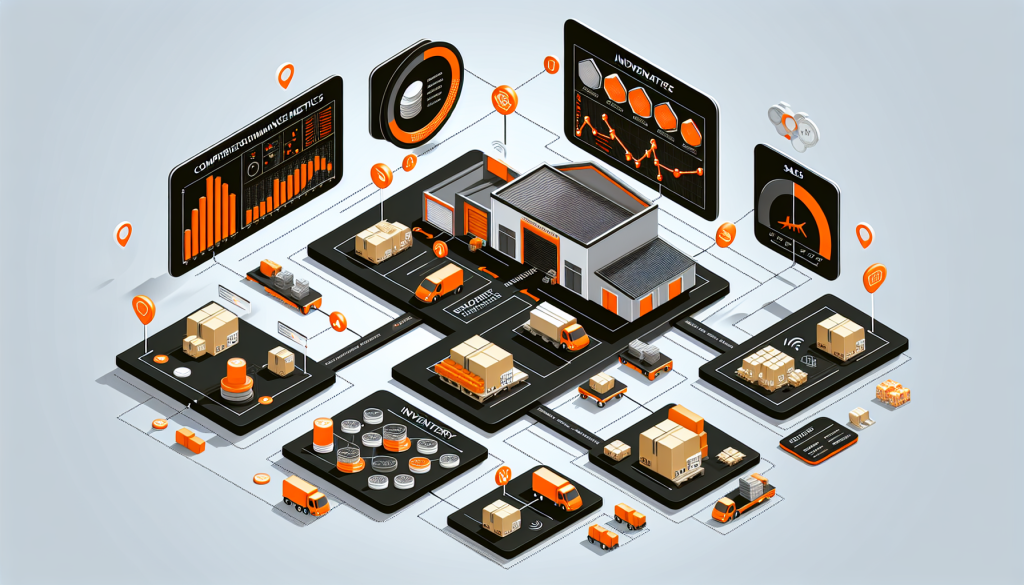
To run a successful Amazon wholesale business in 2026, tracking the right performance metrics is essential. These numbers are not just statistics—they tell you which products are profitable, which listings need attention, and how your overall business is performing. By keeping a close eye on key metrics, you can make smarter decisions, scale efficiently, and stay compliant with Amazon’s rules.
ROI (Return on Investment): ROI shows how much profit you earn compared to what you spend on products. In wholesale, a good ROI typically ranges from 15% to 30%. Tracking ROI helps you understand which products are worth reordering and which ones may be eating into your profits. Regularly auditing your ROI ensures that you are investing your money in items that generate real returns, rather than tying up capital in slow-moving stock.
Best Seller Rank (BSR): BSR indicates how well a product is selling in its category. Products in the top 1% of their category sell quickly, reducing the risk of long-term storage fees. Monitoring BSR allows you to auto-find gaps in your product strategy, such as slow-selling items that might need marketing support or replacement with higher-performing products.
Number of Sellers per Listing: The number of sellers on a product listing affects competition and pricing. Listings with 3 to 12 sellers are usually ideal for wholesale. Too many sellers can create a “race to the bottom,” lowering your profit margins. By tracking this metric, you can identify opportunities to scale your business with products that have manageable competition and strong sales potential.
Buy Box Rotation: The Buy Box determines which seller makes the sale when a customer clicks “Add to Cart.” Consistent buy box ownership is critical for maintaining sales and staying compliant with brand policies. Monitoring buy box rotation ensures that you are not losing sales to competitors and that the brand’s pricing rules are respected.
By keeping track of these metrics, you can audit your performance regularly, make informed decisions on when to reorder products, and identify gaps where your strategy can improve. These metrics also help you scale your business systematically while maintaining compliance and strong relationships with brands. Consistent monitoring gives you control over your Amazon wholesale operation, allowing you to focus on growth while minimizing risks.
Compliance and Risk Management
In 2026, protecting your Amazon wholesale business from account issues and legal risks is more important than ever. One of the most critical tools for this is the Letter of Authorization (LOA). An LOA is a document from the brand or manufacturer confirming that you are an authorized seller of their products. Having an LOA is your proof of legitimacy, and it can save your account if Amazon ever questions your rights to sell a product. Without it, even genuine invoices may not be enough to prevent an IP (Intellectual Property) complaint or account suspension.
IP Protection: Intellectual property complaints are a common reason Amazon suspends accounts. Brands can flag sellers they believe are selling unauthorized products. By keeping LOAs for every brand you work with, you establish strong protection against these claims. This allows you to continue selling with confidence and avoid costly interruptions to your business.
Ungating: Some categories or brands on Amazon require sellers to be “ungated” before they can sell. An LOA is often necessary to gain access to these restricted products. Along with providing proper documentation and invoices, LOAs help you meet Amazon’s requirements and maintain compliance in gated categories.
Invoice Verification: Amazon frequently requests invoices to verify that you purchased products from legitimate sources. A clean, verifiable invoice paired with an LOA strengthens your position if Amazon audits your account. It demonstrates that your supply chain is authorized, transparent, and compliant with their policies.
MAP Enforcement: Brands often enforce Minimum Advertised Price (MAP) policies to protect their product value and market pricing. Having an LOA and following MAP guidelines shows that you are a professional partner who respects brand standards. This reduces the risk of complaints and improves long-term relationships with suppliers.
By prioritizing LOAs, monitoring invoice verification, and adhering to MAP enforcement, you protect your business from legal risks, Amazon audits, and IP complaints. These compliance measures are essential for building a sustainable and trustworthy Amazon wholesale business in 2026. Maintaining proper documentation not only secures your account but also positions you as a reliable partner to the brands you represent.
Scaling Your Amazon Wholesale Business
Once your wholesale business is running smoothly, the next step is scaling efficiently. In 2026, growth is not just about buying more products; it is about working smarter by delegating tasks, automating processes, and auditing performance regularly. By creating systems that handle routine work, you free up your time to focus on strategy, brand partnerships, and identifying new opportunities.
Delegating Tasks: You can assign repetitive tasks such as order management, customer support, and inventory tracking to team members or virtual assistants. Delegation allows you to maintain control over critical decisions while letting your team handle the daily operations. This way, you can concentrate on high-value activities like auto-finding new products or negotiating better terms with suppliers.
Automating Processes: Automation is a major advantage in modern Amazon wholesale. Tools like AI repricers can adjust your product prices dynamically to remain competitive while maintaining profitability. Forecasting tools use sales data to predict demand, helping you plan reorders accurately and avoid stockouts. By automating these processes, you reduce manual errors, save time, and ensure your business runs efficiently even as it grows.
Auditing Performance Regularly: Regular audits of your listings, orders, and sales metrics help you identify gaps and weaknesses. This includes monitoring ROI, buy box rotation, and sales velocity. Auditing ensures that your strategies are effective and that your business remains compliant with Amazon rules. If a product or process is underperforming, you can pivot quickly, adjust your approach, and scale in the right direction without wasting resources.
Scaling with AI and Data Tools: In addition to automation, AI-powered methods help you auto-find opportunities in the market. These tools analyze sales trends, competition, and demand patterns to recommend products with high growth potential. By combining forecasting, repricing, and sourcing intelligence, you can expand your product portfolio strategically, increase sales, and scale your business without overextending your resources.
By delegating, automating, and auditing, while leveraging AI tools, you create a system that allows your Amazon wholesale business to grow efficiently, stay competitive, and adapt to market changes. This approach ensures you are always ready to scale, pivot, and seize new opportunities while maintaining control and compliance.
Conclusion
Modern Amazon wholesale Market in 2026 is no longer about guessing which products might sell or relying on manual methods. The most successful sellers focus on three key principles: automation, legitimacy, and smart brand partnerships. Automation allows you to save time and reduce errors, using tools like AI repricers, forecasting software, and auto find methods to make smarter decisions quickly. Legitimacy ensures brands trust you, giving you access to authorized distributors, Letters of Authorization (LOAs), and protected supply chains. Smart brand partnerships help you negotiate better terms, maintain compliance, and build relationships that competitors cannot easily replicate.
To stay competitive, you should adopt AI-driven sourcing strategies that help you identify high-demand products, forecast sales, and plan reorders efficiently. At the same time, a compliance-first approach ensures your business remains protected from IP complaints, account audits, and other risks. Following these strategies creates a strong foundation for long-term growth, allowing you to scale your operations without losing control or risking your Amazon account.
Mastering how to do Amazon wholesale today will secure your growth and profitability in 2026. By combining automation, legitimacy, and strategic brand partnerships, you can build a wholesale business that is efficient, scalable, and resilient. Adopting these methods now positions you ahead of competitors, helping you consistently find the right products, maintain compliance, and maximize your profits in the evolving Amazon marketplace.
FAQs
What is the easiest way to auto-find wholesale products on Amazon?
The easiest way to auto-find wholesale products in 2026 is by using AI-powered tools that analyze sales trends, competition, and pricing data. Platforms like Helium 10, SmartScout, and other AI sourcing agents can scan Amazon categories and identify replenishable products with strong sales velocity and stable pricing. These tools save you time by highlighting the products that have proven demand while also spotting gaps in listings that you can leverage to pitch brands. By combining these insights with Reverse Sourcing strategies, you can quickly locate high-potential products without manually browsing hundreds of listings.
Do I need a business license to do Amazon wholesale?
Yes, having a registered business is essential for Amazon wholesale. Most brands and authorized distributors require sellers to have an LLC or Corporation, along with a Resale Certificate and proper tax identification, like VAT or EIN. A business license not only allows you to legally buy and sell wholesale products but also establishes credibility with brands. Without it, you may face difficulties getting approval from suppliers or gaining access to restricted categories on Amazon.
How do I get a Letter of Authorization (LOA)?
A Letter of Authorization (LOA) is issued directly by the brand or authorized distributor to confirm that you are allowed to sell their products. To obtain an LOA, you need to demonstrate that your business is legitimate and capable of representing the brand on Amazon. This usually involves providing your business license, tax documents, and sometimes proof of past sales or order history. Always request an LOA when opening a wholesale account, as it protects you from IP complaints and ensures compliance with Amazon policies.
What metrics should I track to ensure Amazon’s wholesale profitability?
To maintain a profitable Amazon wholesale business, track key metrics such as ROI (Return on Investment), Best Seller Rank (BSR), number of sellers per listing, and buy box rotation. ROI helps you understand which products generate strong profit margins. BSR shows how well a product sells in its category and whether it moves fast enough to avoid storage fees. Monitoring the number of sellers on a listing helps you gauge competition, while consistent buy box ownership ensures your sales remain stable. Regular audits of these metrics allow you to scale effectively, reorder intelligently, and spot gaps where improvements are needed.
Can I automate Amazon wholesale completely in 2026?
While it is possible to automate many aspects of Amazon wholesale, complete automation is not realistic if you want to maintain quality and compliance. AI tools can handle product research, repricing, forecasting, and even some outreach, but human oversight is still needed for negotiation, brand relationship management, and compliance audits. By combining automation with smart delegation and regular auditing, you can run a highly efficient and scalable business while minimizing risks. Automation allows you to focus on growth, auto-find new opportunities, and optimize your strategy without being tied to daily manual work.
More wholesale article previews
Use these related guides to compare brands, categories, and supplier options before making your next wholesale order.
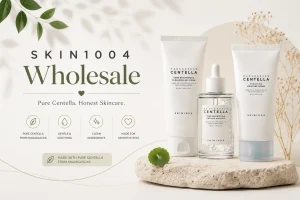 SKIN1004 Wholesale Distributor | Bulk Skincare Distribution Looking for SKIN1004 wholesale products can be a smart move for retailers, online sellers, beauty stores, and resellers… Read guide →
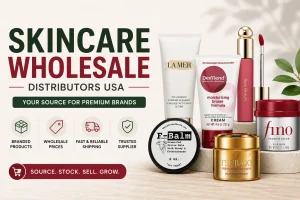 Skincare Wholesale Distributors USA: A Practical Sourcing Guide for Retailers For retailers looking for reliable skincare wholesale distributors USA, Shopye Deals Distribution provides a practical B2B sourcing option… Read guide → Where to Buy Neogen Wholesale: Sourcing Guide for Resellers Few K-beauty brands have crossed from lab curiosity to global retail staple the way NEOGEN has. The Korean… Read guide →
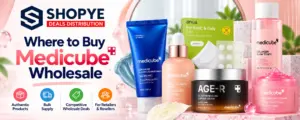 Where to Buy Medicube Wholesale: Sourcing Guide for Resellers If you sell beauty online or on store shelves, the question of where to buy medicube wholesale comes… Read guide →
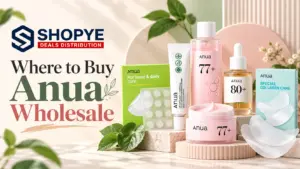 Where to Buy Anua Wholesale: Sourcing Guide for Resellers If you are a beauty reseller looking for where to buy anua wholesale, this guide was written for… Read guide →
 Where to Buy TIRTIR Wholesale: Sourcing Guide for Resellers If you are asking where to buy TIRTIR wholesale, you are already ahead of most resellers: you have… Read guide →