Quick buyer overview
This long-form guide is now organized for faster scanning. Jump to the section you need, search other Shopye articles, or continue reading the full wholesale breakdown.
- Compare MOQ, pricing, and supplier reliability before ordering.
- Use the section index to jump straight to price, supplier, or FAQ details.
- Search more wholesale guides without leaving the article page.
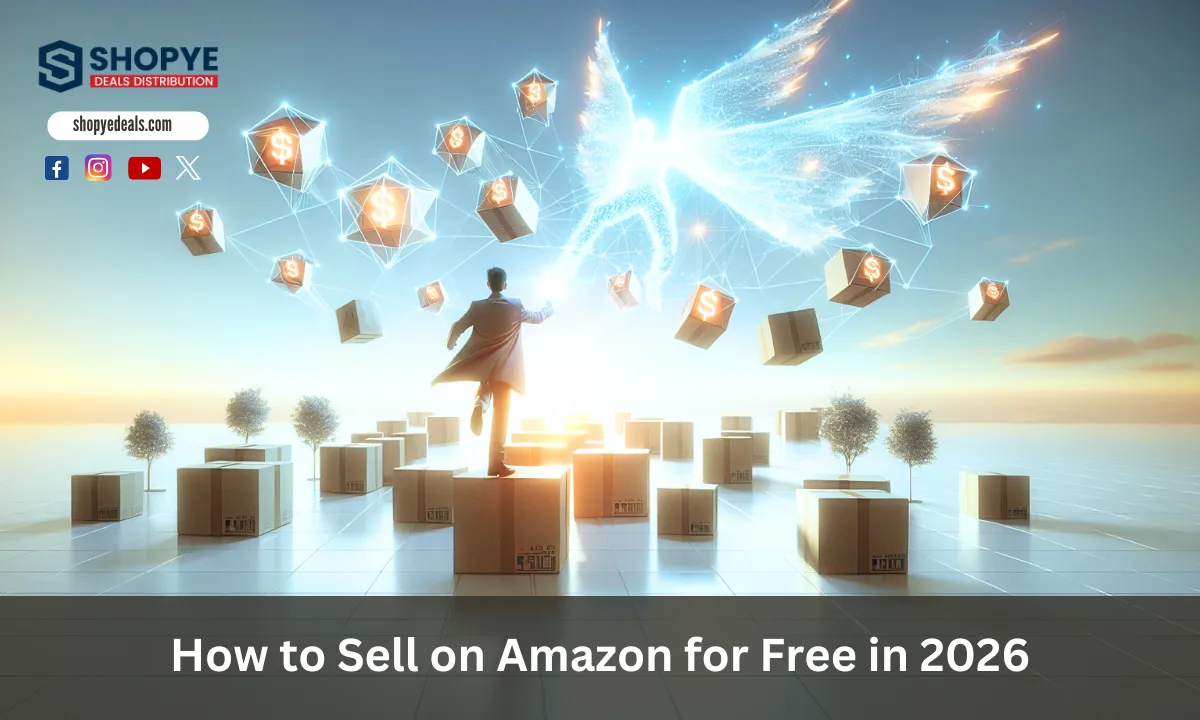
In 2026, selling on Amazon without paying monthly fees has become more accessible than ever. You no longer need to worry about committing to a $39.99 monthly subscription just to start selling. With the Individual Selling Plan, you can list and sell your products on Amazon for free, paying only a small fee of $0.99 per item when it sells. This makes it an ideal solution if you are just starting or want to test the market without upfront costs.
Imagine turning the things around your home into a source of income or finding hidden gems in your neighborhood that can bring you profit. With modern AI tools, you can even auto-find the most profitable items to sell. These tools analyze demand, track trends, and suggest products that buyers are actively searching for, making it easier for you to focus on high-value items and avoid wasting time on products that won’t sell.
In this guide, you will learn exactly how to sell on Amazon for free. You will discover step-by-step strategies for sourcing products without spending a dime, listing items efficiently, managing fulfillment yourself, and maximizing your profits while keeping costs low. By the end of this article, you will understand how to use the Individual Selling Plan effectively and take advantage of AI tools to auto-find profitable items, setting yourself up for a smooth and cost-free selling experience on Amazon in 2026.
Understanding the Individual Selling Plan

When you choose the Individual Selling Plan on Amazon, you are selecting a truly No-Upfront Plan that allows you to start selling without paying any monthly subscription fees. Unlike the Professional Plan, which charges $39.99 per month regardless of how many items you sell, the Individual Selling Account only costs $0.99 per item, and you pay this fee only when your product actually sells. This setup is perfect if you are using a Low-Volume Strategy, meaning you plan to sell fewer than 40 items per month. It allows you to test the market, declutter your home, or source products from zero-cost methods without committing to a recurring expense.
Comparing the Individual Plan to the Professional Plan highlights the cost-effectiveness of the no-upfront option. The Professional Plan is better suited for sellers with high volume or those who want access to advanced tools like Amazon PPC and easier Buy Box eligibility. However, if your goal is to start selling with minimal risk and limited inventory, the Individual Plan is your best choice. You only pay fees when you make a sale, which keeps your initial costs almost zero.
It is important to understand the limitations of the Individual Plan. You cannot use Amazon advertising through PPC campaigns, and getting the Buy Box is more challenging, which means your sales rely mostly on organic search and customer discovery. This makes patience and smart listing strategies critical. You will need to focus on well-priced items, clear product descriptions, and use AI tools to auto-find profitable products to increase your chances of making sales.
By choosing the Individual Selling Account, you gain a flexible and low-cost entry into free Amazon selling methods, making it ideal for sellers who want to start small, manage their own inventory, and rely on smart sourcing rather than upfront investment. This plan turns selling on Amazon into a low-risk, high-potential opportunity that anyone can begin using in 2026.
How to Source Products for Free
One of the most powerful ways to sell on Amazon for free is by using the Zero-Cost Sourcing method. This approach allows you to turn everyday items around your home or neighborhood into profitable products without spending money up front. You do not need to buy inventory from wholesalers or Amazon FBA suppliers; instead, you focus on finding high-value items that are already available to you.
Start with a Home Scavenger Hunt. Look around your home for electronics, kitchen gadgets, or specialized tools like garden or automotive equipment. Many items sitting unused can be graded as “Used – Good” and sold for a reasonable profit. By decluttering your home, you not only create inventory for Amazon but also earn a strong Decluttering ROI, turning clutter into cash.
Used books are another excellent entry point. Visit Little Free Libraries, donation piles, or local book swaps to find textbooks, niche non-fiction, or collectible titles. Even in 2026, students and researchers are actively searching for affordable books, and AI tools like Rufus can help you auto-find which titles are in demand. By leveraging these tools, you can quickly identify the most profitable items to sell without trial and error.
Neighborhood arbitrage and media resale are additional ways to source for free. Look for garage sales, local classifieds, or community donation events where you can pick up items at no cost or for very little. Media products like DVDs, video games, and CDs can often be sourced from these places and listed for sale as used items.
By combining home decluttering, smart sourcing from your community, and AI-powered tools to auto-find high-demand products, you create a steady stream of inventory without spending a single dollar. This method is at the core of selling on Amazon for free in 2026 and allows you to scale your business while keeping costs almost zero.
Step-by-Step Listing Process

The Amazon Seller App is your most powerful tool when selling on Amazon for free. It allows you to quickly scan items around your home or neighborhood to see if they are profitable. Using the app, you can check real-time pricing, estimated fees, and demand for each product before you even consider listing it. This ensures that every item you choose is worth your time and effort, helping you focus on products that will generate real profits.
Once you find a product, the “Sell Yours” button makes listing incredibly easy. Instead of creating a new listing from scratch, which often requires professional photography and detailed descriptions, you can attach your item to an existing Amazon listing. This saves time, reduces errors, and allows you to start selling immediately. The app also guides you through the process of ungating categories if needed, helping you access restricted product types without paying extra fees.
Before you finalize a listing, it is essential to check your gross proceeds after fees. The app calculates the per-item fee, referral fee, and any closing fees so you know exactly how much money you will keep after the sale. This ensures you are making smart decisions and only listing items that will generate a meaningful return.
By using the Amazon Seller App to scan items, leverage the “Sell Yours” button, and confirm gross proceeds, you can list quickly, efficiently, and accurately. This process is at the heart of selling on Amazon for free, allowing you to turn your decluttered items or zero-cost finds into profitable sales without unnecessary effort or upfront costs.
Fulfillment for Free: FBM (Merchant Fulfilled)
When selling on Amazon for free, understanding fulfillment is key. Many new sellers automatically think of FBA, or Fulfillment by Amazon, but this service can be costly. FBA charges storage and handling fees for every item you send to Amazon’s warehouse. These fees add up quickly, especially if you have low-volume sales or are sourcing products at zero cost. For sellers following a Low-Volume Strategy, FBA can eat into your profits before you even make a sale.
The alternative is FBM, or Fulfillment by Merchant. With FBM, you fulfill orders yourself, shipping products directly to buyers. This approach avoids FBA fees entirely, letting you keep a larger share of your profits. Amazon provides a Shipping Credit, reimbursing part of the shipping cost when the buyer pays for shipping. By understanding how much you will receive in shipping credits, you can plan packaging and shipping costs to maintain profitability while still offering reliable delivery.
Sustainability is another advantage of self-fulfillment. You can use Recycled Packaging, such as old Amazon boxes or sturdy cardboard from local stores, to ship items at no cost while reducing waste. This not only saves money but also aligns with eco-friendly practices, which are increasingly important to buyers in 2026.
Even when you handle shipping yourself, maintaining a high standard is essential. Amazon requires sellers to keep a 95% Valid Tracking Rate (VTR), meaning nearly all shipments must have a valid tracking number from a recognized carrier like USPS, UPS, or FedEx. Maintaining this rate ensures your account remains in good standing, you get paid on time, and buyers remain satisfied.
By using FBM, leveraging the Shipping Credit, incorporating Recycled Packaging, and keeping a strong VTR, you can manage fulfillment efficiently, minimize costs, and maximize profits. This approach is ideal for selling on Amazon for free, giving you control over your inventory and shipping while maintaining a professional selling experience.
Understanding Fees and Costs
When you sell on Amazon using the Individual Selling Account, it is important to understand how Variable Fees work so you can plan your sales and maintain a healthy Zero-Cost Strategy. While there is no monthly subscription, Amazon deducts fees directly from your sales, and knowing these costs helps you calculate your net profit before listing an item.
The first fee is the per-item fee of $0.99. This fee is charged only when your product sells, so you do not pay anything upfront. For sellers following a low-volume approach, this keeps your initial costs at zero and allows you to experiment with different products without risk.
Next is the referral fee, which ranges from 8% to 15% of the sale price, depending on the product category. There is also a minimum referral fee of $0.30, meaning even very low-cost items will incur at least this fee. This fee compensates Amazon for connecting you with buyers and providing the platform for your sale.
If you are selling media items such as books, DVDs, or video games, a closing fee of $1.80 applies. This is a fixed amount per sale and is deducted in addition to the referral and per-item fees.
Finally, you need to consider refunding admin fees. If a buyer returns an item, Amazon deducts a portion of the referral fee to cover the cost of the refund. This reduces your net profit, so it is important to price your products with this in mind and ensure your listings are accurate to minimize returns.
By understanding and tracking the per-item fee, referral fee, closing fee, and potential refund admin fees, you can manage your costs effectively. Combining this knowledge with your Zero-Cost Strategy ensures that each sale contributes positively to your profits while keeping your risk minimal. Properly accounting for these fees allows you to make informed decisions, list smarter, and scale your Amazon business efficiently in 2026.
Building Trust and Credibility
When you start selling on Amazon for free, establishing trust with buyers is essential. Amazon’s 2026 requirements include a strict Individual Seller Verification process to protect both sellers and buyers from fraud. To get verified, you will need to provide a valid government ID and a utility bill to confirm your identity and address. This ensures that Amazon can link your account to a real person, adding a layer of security to your selling activities.
In addition to documents, Amazon now requires Live Video Verification. During this step, you show your ID and yourself on a live video call, allowing Amazon to confirm that the information matches your account. This modern verification process helps prevent fraudulent listings and builds credibility with buyers who want to know they are purchasing from a verified seller.
Once verified, your account can be linked to the Identity Ledger and earn a Merchant-Verified Badge. These trust signals give buyers confidence that they are dealing with a legitimate seller. When customers see this badge, they are more likely to choose your products over others, even if you are using a Low-Volume Strategy or selling items at zero cost.
AI tools like Rufus Discovery can further enhance your selling experience. Rufus helps you identify high-demand products while factoring in verified seller status, guiding you to profitable items that are more likely to sell quickly. By combining the verification process with AI insights, you strengthen both your credibility and your ability to make smart, profitable selling decisions.
Following Amazon’s trust and verification guidelines ensures that you can operate confidently, gain buyer trust, and successfully sell products using your Individual Selling Account in 2026. This foundation of security and credibility is essential for long-term success when selling on Amazon for free.
Advanced Tips: Maximize Sales Without Spending
In 2026, one of the smartest ways to sell on Amazon for free is by using AI tools to auto-find high-demand items and profitable niches. These tools analyze real-time data, track what buyers are searching for, and suggest products that are likely to sell quickly. By using AI, you save time scanning through countless items and focus only on products that have the best chance of generating profit. This makes your selling strategy more efficient and precise.
Timing is also crucial. Listing your items during peak buyer activity increases visibility and improves the chances of making a sale. AI insights can show when buyers are most active in your product categories, allowing you to post listings strategically. This ensures that your items appear when buyers are ready to purchase, helping you sell faster and more consistently.
Another practical source of inventory is small-scale decluttering. By regularly going through your home and scanning items you no longer use, you can maintain a steady stream of products to list. Electronics, kitchen gadgets, books, and tools can all be scanned, graded, and listed quickly using the Amazon Seller App. This approach not only helps you free up space at home but also generates ongoing revenue without spending money on inventory.
Once you identify products using AI, you can list them efficiently, fulfill orders through FBM, and continue to declutter and scan for new items. This cycle of sourcing, listing, and fulfilling allows you to build a sustainable Amazon business while keeping costs minimal. By combining AI tools with smart timing and consistent decluttering, you create a system that maximizes sales potential and ensures your selling efforts are both profitable and low-risk.
FAQs
Can I really sell on Amazon for free?
Yes, you can sell on Amazon for free by using the Individual Selling Account. With this account, you do not pay any monthly subscription fees. You only pay a small per-item fee of $0.99 when your product sells. This makes it possible to start selling without upfront costs, test the market, and use a Low-Volume Strategy to grow your business gradually. The key is to focus on sourcing products at little or no cost and using smart listing strategies to attract buyers.
How does the per-item fee affect my profits?
The per-item fee is deducted only after a sale is completed. This means that you only pay when you make money, which keeps your risk low. However, you also need to consider referral fees, closing fees for media items, and potential refund admin fees. By calculating your gross proceeds after fees before listing, you can ensure each sale is profitable. Understanding these costs allows you to price your products effectively and maintain a successful Zero-Cost Strategy.
What items are easiest to source for free in 2026?
The easiest items to source for free include products you already have at home or can find in your community. Electronics, kitchen gadgets, tools, and used books are top choices. Check Little Free Libraries, donation piles, garage sales, and neighborhood events for items that can be listed with minimal effort. Small-scale decluttering is a consistent way to create inventory, helping you turn unused items into profit while keeping costs at zero.
Can AI help me auto-find profitable products?
Absolutely. AI tools like Rufus Discovery can auto-find high-demand products and profitable niches. These tools track buyer behavior, analyze trends, and suggest items that are more likely to sell quickly. By using AI, you can save time scanning for items manually and focus on products with the highest potential. This improves your efficiency, reduces risk, and makes your Amazon business more profitable even if you are selling on a small scale.
Do I need a business license for the Individual Plan?
In most cases, you do not need a business license to start with the Individual Selling Account. This plan is designed for casual sellers, low-volume strategies, and first-time users. However, it is important to follow local regulations regarding taxes and reporting. As your business grows, you may choose to upgrade to a Professional Plan, which might require a business license depending on your location.
Conclusion
The “Zero-Dollar” strategy is all about starting your Amazon business with minimal risk and no upfront costs. With the Individual Selling Account, you avoid monthly subscription fees and pay only a small per-item fee when your products sell. By sourcing items for free through home decluttering, neighborhood finds, donation piles, or used books, you can build inventory without spending a single dollar. Using AI tools to auto-find high-demand products makes the process even smarter, helping you focus on items that are likely to sell quickly and generate real profit.
To succeed with this strategy, start small. Focus on a few items at first and learn how to scan, list, and fulfill orders efficiently. By carefully tracking fees, gross proceeds, and shipping requirements, you can keep costs low and ensure each sale contributes positively to your earnings. Regularly decluttering your home or sourcing from zero-cost locations provides a consistent flow of inventory without additional expense.
Leveraging AI insights allows you to make informed decisions about which products to sell and when to list them for maximum buyer engagement. Timing your listings during peak activity and selecting high-demand niches increases your chances of sales while keeping your efforts cost-effective.
With careful planning, patience, and the right use of technology, anyone can sell on Amazon for free in 2026. The Zero-Dollar strategy makes it possible to start small, grow steadily, and turn your decluttered items or free finds into a sustainable, profitable business, all without spending money upfront. By following these principles, you can confidently build an Amazon business that works efficiently, maximizes profits, and minimizes risk.
More wholesale article previews
Use these related guides to compare brands, categories, and supplier options before making your next wholesale order.
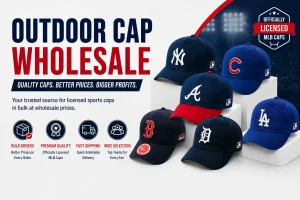 Outdoor Cap Wholesale: A Complete Guide to Buying Wholesale Outdoor Caps The demand for outdoor cap wholesale products continues to make caps an attractive category for retailers, sports stores,… Read guide →
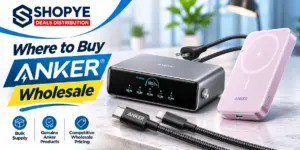 Where to Buy Anker Wholesale: Sourcing Guide for Electronics and Mobile Resellers Every device a customer owns is a charging problem waiting to happen, and Anker built its name on… Read guide →
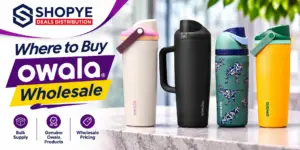 Where to Buy Owala Wholesale: Sourcing Guide for Sporting Goods and Gift Resellers The reusable water bottle went from commodity to cultural object in under a decade, and Owala rode that… Read guide →
 Where to Buy SadoTech Wholesale: Sourcing Guide for Home Improvement Resellers The wireless doorbell is the rare home product that sells itself in one sentence: no wiring, installs in… Read guide →
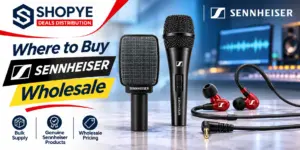 Where to Buy Sennheiser Wholesale: Sourcing Guide for Music and AV Resellers Pro audio is a category where the name on the microphone decides the sale before the customer hears… Read guide →
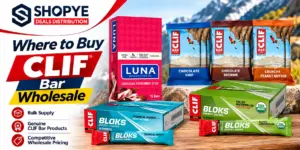 Where to Buy CLIF Bar Wholesale: Sourcing Guide for Grocery and Outdoor Resellers Energy bars are the rare grocery category that sells in the checkout lane, the gym bag, the trailhead,… Read guide →