Quick buyer overview
This long-form guide is now organized for faster scanning. Jump to the section you need, search other Shopye articles, or continue reading the full wholesale breakdown.
- Compare MOQ, pricing, and supplier reliability before ordering.
- Use the section index to jump straight to price, supplier, or FAQ details.
- Search more wholesale guides without leaving the article page.
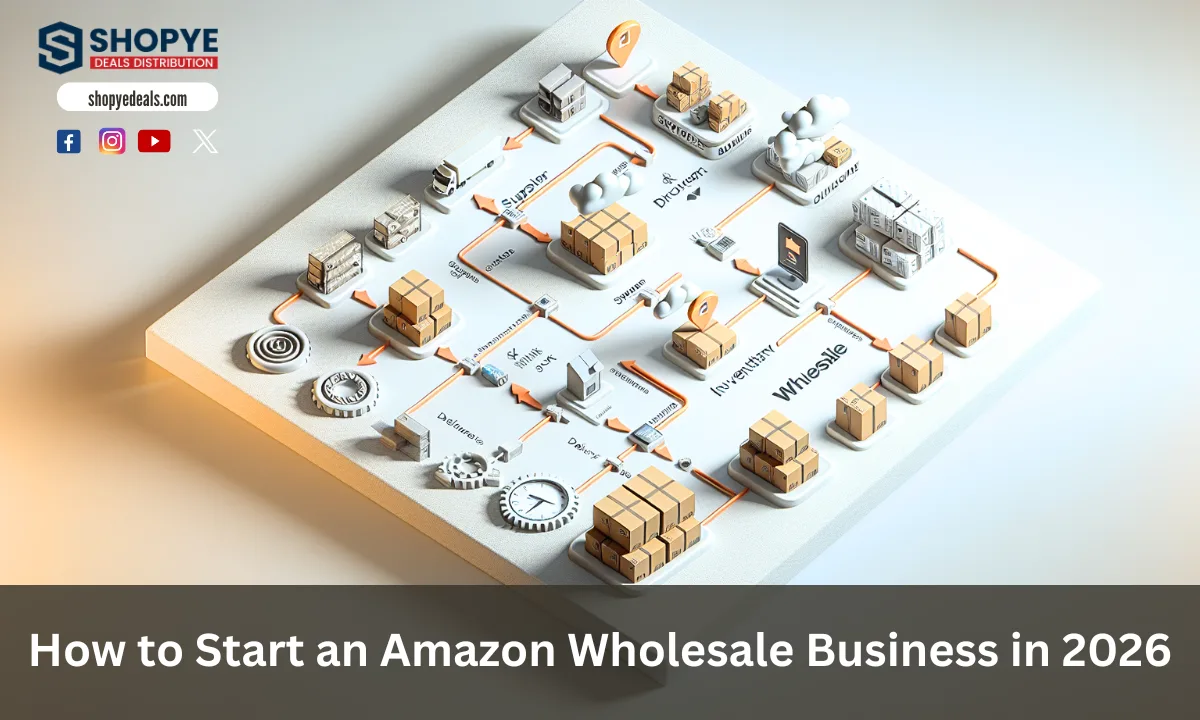
Starting an Amazon wholesale business in 2026 is no longer just about buying products from a distributor and hoping they sell. The model has shifted. Instead of acting as a middleman, you now need to build direct relationships with brands. This change means your approach to sourcing, compliance, and logistics must be smarter, faster, and more professional.
If you’re wondering how to start an Amazon wholesale business in 2026, this guide will walk you through every step, from finding the right products to setting up your operations and scaling your sales efficiently. You will learn how to approach brands, validate suppliers, and create a workflow that meets Amazon’s updated standards while minimizing risk.
One of the biggest changes this year is that Amazon has stopped offering in-house FBA prep services. This means you are responsible for labeling, packaging, and prepping your inventory before it reaches an Amazon fulfillment center. Without a strong logistics plan, delays, fees, or compliance issues can quickly eat into your profits. Understanding your options for 3PL partners or negotiating brand-side prep will give you a significant advantage over sellers who are still relying on outdated methods.
Another key factor in 2026 is using tools to auto-find profitable products. By analyzing sales data, checking historical price trends, and identifying products with strong sales velocity, you can select items that are more likely to succeed. Auto-finding the right products reduces guesswork and helps you invest your capital in inventory that will move quickly, giving you a faster path to growth.
This guide will cover all these aspects, helping you build a professional, compliant, and scalable Amazon wholesale business model in 2026. From creating a credible business persona to mastering logistics and sourcing high-demand products, you will have a complete roadmap to start selling successfully and stay ahead of the competition.
Why Amazon Wholesale in 2026 is Different
In 2026, one of the biggest shifts in Amazon FBA Wholesale is the end of Amazon’s in-house prep services. In the past, sellers could send their inventory to Amazon and rely on the platform to label, bubble-wrap, or prep products for storage and shipment. Now, all of these responsibilities fall on you as the seller. Without a solid logistics plan, your shipments could face delays, extra fees, or even compliance issues that can prevent your products from going live.
This change makes brand-direct sourcing a critical strategy for anyone starting an Amazon wholesale business. When you work directly with brands, you can negotiate for products to arrive already labeled with your FNSKU, properly packaged, and ready for FBA shipment. You can also find Amazon FBA wholesalers to make good profits. Additionally, Brand-direct sourcing not only reduces the time and cost of prep but also shows suppliers that you are a serious, professional partner in B2B e-commerce. Suppliers are more likely to prioritize orders, provide letters of authorization, and even offer insights into demand trends when they see you as a credible business.
To manage the new logistics requirements, you have two main options. First, you can partner with a specialized 3PL prep center. These providers handle inspection, labeling, and packaging for a fee per unit, ensuring that every item meets Amazon’s requirements. Second, you can work with your supplier to handle prep at the factory level. This approach is often more cost-effective and can help you scale faster, especially when you are dealing with large volumes.
Adapting to these changes is not optional—it is essential for building a successful Amazon wholesale business. By understanding the logistics shift and embracing brand-direct sourcing, you can streamline your workflow, minimize errors, and position yourself as a trusted seller in the competitive world of B2B e-commerce.
Establish Your Professional Persona

Before you even contact a supplier, you need to establish a solid legal and administrative foundation for your Amazon wholesale business account. This starts with registering your business as an LLC. Doing so not only protects your personal assets but also signals to brands that you are serious about operating professionally in B2B e-commerce. Alongside LLC registration, you need an EIN (Employer Identification Number) if you are in the U.S., or the equivalent VAT number in other regions. These identifiers are required for tax purposes and are often requested by suppliers before they open wholesale accounts.
A valid business license is also essential. It proves that your company is recognized by local authorities and allowed to operate legally. Without proper registration, you risk being blocked from purchasing from reputable brands or even losing access to Amazon’s wholesale programs. Equally important is obtaining a resale certificate. This allows you to buy products tax-free from suppliers and shows that you are a legitimate retailer. Many suppliers will check your resale certificate before approving your account, so make sure it is current and easily verifiable.
Building Supplier Trust
Once your legal and admin setup is complete, the next step is building trust with suppliers. A professional persona goes a long way here. Start with a simple website that clearly communicates your brand values, your company name, and contact information. Use a professional email address, ideally linked to your domain, rather than a generic Gmail or Yahoo account. These small details show suppliers that you are a serious business and not a hobbyist.
Suppliers often vet potential buyers carefully. They may look at your website, check your email communications, and even review your social media presence to ensure you can represent their brand professionally. Showing credibility in every interaction can make the difference between being approved for an account and being rejected.
Additionally, using tools to auto-find trustworthy suppliers can help you streamline the sourcing process. By verifying supplier legitimacy, checking reviews, and confirming their history in Amazon FBA Wholesale, you reduce the risk of counterfeit products or account issues. Combining a strong legal foundation with a professional persona ensures that brands take you seriously and are willing to do business with you, giving you a strong start in 2026’s competitive wholesale market.
Mastering the 2026 Logistics Shift
With Amazon no longer offering in-house prep services in 2026, using a 3PL prep center has become one of the most reliable ways to manage your logistics. A 3PL, or third-party logistics provider, specializes in handling FBA prep tasks such as FNSKU labeling, bubble-wrapping, poly-bagging, and quality inspection before your products reach Amazon fulfillment centers. By partnering with a 3PL, you can ensure your inventory meets Amazon’s strict requirements, reducing the risk of delays, penalties, or rejected shipments.
Many 3PL centers also provide additional services such as LTL (Less Than Truckload) shipping and regional cross-dock management. LTL shipping allows you to consolidate smaller shipments efficiently, saving on freight costs, while regional cross-docks help you distribute your products closer to fulfillment centers, speeding up delivery times. When you use a 3PL, you can automate your prep process, streamline inventory management, and focus more on sourcing and scaling your Amazon wholesale business.
Brand-Side Prep Option
An alternative, often more cost-effective approach is negotiating with your suppliers to prep your goods at the factory before shipment. This means your products arrive ready for FBA, already labeled with FNSKU stickers and packaged according to Amazon’s standards. By handling prep at the source, you reduce shipping complexity, avoid additional fees, and save time.
To succeed with brand-side prep, you need to negotiate terms carefully. Validate that the supplier understands your requirements and can handle labeling, packaging, and palletizing according to Amazon guidelines. Replenish inventory efficiently by planning orders and ensuring that the supplier can scale production as your business grows. Brand-side prep is especially effective for sellers who want to maintain lower operating costs while building strong, professional relationships with manufacturers.
Both the 3PL partner and brand-side prep options allow you to take control of logistics in 2026. By choosing the right method for your business, you can automate critical processes, maintain compliance, and create a workflow that supports sustainable growth in Amazon FBA Wholesale.
Sourcing Products Using Reverse Search
Identify Winning Products
Finding the right products is the foundation of a successful Amazon wholesale business in 2026. To maximize your chances of success, you need to focus on items that already show strong demand and consistent sales. Tools like Keepa allow you to track historical price data and sales trends, helping you avoid products that have recently dropped in price or lost momentum. SmartScout provides detailed insights into sales velocity, competition, and market trends, giving you a clear picture of which products are worth investing in.
When analyzing potential products, avoid listings where Amazon.com itself is a seller. Competing directly with Amazon makes it nearly impossible to win the buy box and limits your potential margins. Instead, look for products where multiple FBA sellers are active but not dominated by Amazon. By combining sales velocity analysis with competitor review, you can focus on products that offer consistent demand and room for profit.
Auto Find Tools & Methods
In 2026, efficiency is critical. Auto-finding profitable products can save you hours of research and reduce the risk of costly mistakes. Using reverse sourcing strategies, you can start with a product that is already selling well and work backward to identify the brands or suppliers that produce it. UPC scanning is another method to quickly identify products in bulk, verify their authenticity, and compare prices across multiple suppliers.
Auto find tools help you validate suppliers, check invoice authenticity, and filter for items that meet your sales and profit targets. By combining these tools with a systematic approach, you can uncover hidden opportunities, automate parts of your research process, and focus your energy on products that are most likely to succeed. Whether you are using Keepa to analyze trends, SmartScout to measure sales velocity, or reverse sourcing to pinpoint profitable items, these methods give you a data-driven edge in Amazon FBA Wholesale.
By identifying winning products and leveraging auto find tools, you reduce guesswork, increase efficiency, and set yourself up for consistent growth in the competitive wholesale market.
Compliance and Legal Protections

Protecting your Amazon wholesale business starts with ensuring that every product you sell is fully authorized and compliant. A Letter of Authorization (LOA) from the brand proves that you are an approved seller and allows you to legally sell their products on Amazon. Never assume that an invoice alone is enough; brands and Amazon may require a formal LOA to verify authenticity. Always validate your supplier before placing an order by checking that their invoices match the LOA and that all documentation clearly identifies your business. This step is essential to prevent your listings from being flagged for inauthentic products.
MAP Policy Adherence
Many brands enforce a Minimum Advertised Price (MAP) policy, which sets the lowest price you can advertise their products for. Ignoring MAP policies can quickly result in losing your wholesale account, being blocked by suppliers, or even facing legal issues. Make it a habit to review each brand’s MAP requirements before listing products. Adhering to these policies not only keeps your account safe but also builds trust with suppliers, making it easier to scale your inventory and negotiate better terms over time.
Ungating Process for Restricted Categories
Some categories on Amazon require special approval, a process known as ungating. These restrictions exist to protect brands and ensure product quality, especially in health, beauty, or electronics categories. To get ungated, you may need to provide invoices, LOAs, and proof of business legitimacy. Completing this process correctly allows you to sell high-demand products that are less competitive and more profitable, giving your business an edge in 2026’s wholesale market.
Protecting Your Amazon Account from IP and Authenticity Claims
Intellectual property (IP) and authenticity claims can quickly harm your account if not managed properly. Always validate suppliers and confirm that all products are authentic and authorized for resale. Keep thorough records, including LOAs, invoices, and correspondence with brands. Monitor your listings regularly to detect any complaints early and address issues promptly to maintain your account health. Following these practices protects your reputation on Amazon and ensures long-term success.
By understanding the importance of LOAs, adhering to MAP policies, completing the ungating process, and protecting your account from IP claims, you create a strong foundation for a compliant, professional Amazon wholesale business. These steps are critical to building trust with brands and operating confidently in B2B e-commerce.
Estimated Startup Costs for 2026
Starting an Amazon wholesale business requires careful planning of your initial expenses. Understanding where to invest and how much to allocate will help you avoid common beginner mistakes and set your business up for success. Here is a clear overview of the main cost areas you should consider:
| Expense Category | Estimated Cost | Frequency | Notes |
| Amazon Professional Seller Account | $39.99 / £30 | Monthly | Required for selling in volume on Amazon FBA Wholesale |
| Business Setup (LLC, EIN/VAT, Business License, Website) | $200–$500 | One-time | Legal and admin setup ensures credibility with brands |
| Software (Keepa, SmartScout, Helium 10) | $50–$150 | Monthly | Helps you auto-find cost-efficient inventory and track sales velocity |
| Initial Inventory Order | $1,500–$3,000 per order | Per order | Start with a test order to minimize the first batch risk |
| 3PL Prep Fees | $0.50–$1.50 per unit | Per unit | Covers FNSKU labeling, inspection, and packaging if using a 3PL |
Test Order vs Bulk Order
When placing your first order, always start with a test batch instead of jumping into a full bulk purchase. A test order typically includes 20–50 units of a product. This allows you to validate the product’s sales velocity, check for quality issues, and ensure that your supplier and logistics processes are reliable. Once you confirm that the product sells well and meets your standards, you can scale up to a bulk order with confidence.
Bulk orders are more cost-effective per unit but carry a higher risk if the product does not sell as expected or if there are compliance issues. By starting small, you minimize your financial exposure and gather real-world data that informs your future buying decisions.
Strategic Spending and Risk Management
In 2026, strategic spending is essential. Use tools to auto-find cost-efficient inventory, analyze sales trends, and prioritize products with proven demand. Allocate funds carefully across business setup, software, inventory, and 3PL fees, and always keep a buffer for unexpected costs. Minimizing the first batch risk protects your cash flow and ensures you can scale sustainably.
By understanding your startup costs, using test orders wisely, and spending strategically, you lay a strong foundation for a professional Amazon wholesale business that can grow safely and profitably in 2026.
Top Beginner Mistakes to Avoid in 2026
One of the most common mistakes new Amazon wholesale sellers make is over-ordering on their first batch of inventory. Placing a large order before testing sales can tie up your capital and create storage challenges. You may also risk holding products that do not sell as expected, which slows down your cash flow and makes it harder to scale efficiently. Instead, start with a test order of 20–50 units. This allows you to validate supplier reliability, inspect product quality, and monitor sales velocity. Once you see consistent demand, you can confidently replenish and scale your inventory without unnecessary risk.
Ignoring MAP Policies
Many brands enforce a Minimum Advertised Price (MAP) to protect their products and market value. Ignoring these policies can lead to account suspension, strained supplier relationships, or even being banned from selling a product. Always check a brand’s MAP guidelines before listing products and ensure your advertised prices comply. By following MAP policies, you build credibility with suppliers and maintain a sustainable business model that can grow over time.
Missing LOA Verification
Assuming that an invoice alone is enough to prove your authorization to sell a brand’s products is a serious mistake. Without a proper Letter of Authorization (LOA), your listings are at risk of being flagged for inauthenticity or intellectual property violations. Always request and validate an LOA from your supplier, and keep thorough records of invoices and correspondence. This protects your account from IP claims and ensures that you can operate confidently and professionally in the Amazon FBA Wholesale marketplace.
Avoiding these mistakes requires a disciplined approach. Validate your suppliers carefully, automate parts of your workflow where possible, replenish inventory based on proven sales data, and scale only when you have confirmed product performance. By following these practices, you minimize risk, maintain compliance, and position your Amazon wholesale business for long-term success in 2026.
Next Steps for Your Wholesale Journey
After you have set up your Amazon wholesale business, mastered logistics, and identified profitable products, the next step is to continue learning and refining your strategies. Proactive education and consistent engagement with suppliers will help you avoid common pitfalls and keep your business growing efficiently.
One valuable resource is the guide on “How to Read a Keepa Chart to Avoid Price Drops.” Keepa provides historical price data and sales trends for products on Amazon. By learning how to interpret these charts, you can identify patterns in pricing, spot potential declines before they happen, and choose products that maintain steady sales and profitability. This knowledge allows you to make data-driven decisions, minimize risk, and optimize your inventory planning.
Another important guide is the “Comparison of the Best 3PL Prep Centers in 2026.” Since Amazon no longer offers in-house prep services, choosing the right third-party logistics partner is essential. This guide will help you evaluate 3PL providers based on cost, services offered, reliability, and regional capabilities. Understanding the strengths and weaknesses of different 3PLs allows you to select a partner that aligns with your workflow, automates key prep processes, and supports scalable growth.
Finally, it is crucial to maintain proactive learning and consistent supplier engagement. Reach out to brands regularly, validate suppliers, and keep updated on market trends, MAP policies, and compliance requirements. By staying informed and building strong professional relationships, you position yourself as a trusted partner, gain access to new opportunities, and ensure your Amazon wholesale business continues to scale successfully in 2026.
Following these guides and maintaining an active approach to learning and supplier communication gives you the tools to navigate the wholesale marketplace confidently and profitably.
Conclusion
Starting an Amazon wholesale business in 2026 requires a combination of professionalism, strategic planning, and careful execution. First, building a strong professional persona sets the foundation for success. By registering your LLC, obtaining an EIN or VAT number, securing a resale certificate, and presenting yourself through a credible website and professional email, you show suppliers that you are a serious and trustworthy partner in B2B e-commerce.
Next, mastering logistics is essential in the post-Amazon prep era. Whether you choose to work with a 3PL prep center or negotiate brand-side prep, understanding FNSKU labeling, LTL shipping, and cross-dock distribution ensures your inventory arrives on time, meets Amazon’s requirements, and minimizes extra costs. Efficient logistics allows you to automate prep processes, replenish inventory without delays, and scale your business safely.
Sourcing the right products is another critical element. Using tools like Keepa and SmartScout, analyzing sales velocity, and employing reverse sourcing strategies helps you identify high-demand items while avoiding listings dominated by Amazon itself. Auto-finding profitable products reduces guesswork, saves time, and increases your chances of choosing products that sell consistently.
Compliance cannot be overlooked. Always validate suppliers, obtain Letters of Authorization (LOAs), adhere to MAP policies, and complete the ungating process for restricted categories. These practices protect your Amazon account from IP and authenticity claims, maintain good relationships with brands, and allow your business to operate smoothly in the competitive marketplace.
By following these steps, you now know how to start an Amazon wholesale business in 2026 the smart way. Your success depends on combining professionalism, efficient logistics, careful sourcing, and strict compliance to build a scalable and profitable wholesale operation.
To take the next step, explore tools that help you auto-find profitable products, streamline your logistics workflow, and validate suppliers effectively. Using these resources will give you a competitive edge and make your journey in Amazon FBA Wholesale faster, safer, and more profitable.
FAQs
Do I need a business license to start an Amazon wholesale business in 2026?
Yes. Having a registered LLC, EIN, or VAT, and a valid business license is essential. Suppliers and Amazon expect you to operate as a professional business, and these documents also allow you to buy inventory tax-free with a resale certificate.
What is the best way to prepare my inventory now that Amazon no longer provides FBA prep services?
You have two main options. You can use a 3PL prep center to handle labeling, packaging, and inspection, or negotiate with your supplier to prep your products at the factory. Both methods ensure your inventory meets Amazon requirements and helps you scale efficiently.
How do I find profitable products for Amazon wholesale?
You can identify winning products using tools like Keepa and SmartScout to analyze sales velocity and historical price trends. Reverse sourcing and UPC scanning also help you auto-find high-demand items while avoiding listings dominated by Amazon.
What steps can I take to protect my account from IP and authenticity claims?
Always obtain and validate a Letter of Authorization (LOA) from your supplier, adhere to MAP policies, and keep thorough records of invoices and communications. Completing the ungating process for restricted categories and choosing reputable suppliers further protects your Amazon account.
More wholesale article previews
Use these related guides to compare brands, categories, and supplier options before making your next wholesale order.
 SKIN1004 Wholesale Distributor | Bulk Skincare Distribution Looking for SKIN1004 wholesale products can be a smart move for retailers, online sellers, beauty stores, and resellers… Read guide →
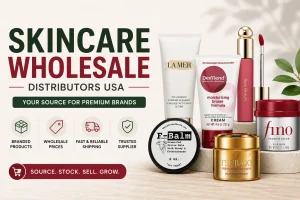 Skincare Wholesale Distributors USA: A Practical Sourcing Guide for Retailers For retailers looking for reliable skincare wholesale distributors USA, Shopye Deals Distribution provides a practical B2B sourcing option… Read guide →
 Where to Buy NINELESS Wholesale: Sourcing Guide for Resellers If you are deciding where to buy nineless wholesale, start with a plain thesis. Buy a focused serum… Read guide →
 Where to Buy EUNYUL Wholesale: Sourcing Guide for Resellers If you are asking where to buy eunyul wholesale, you are asking a practical sourcing question, not a… Read guide →
 Where to Buy NACIFIC Wholesale: Sourcing Guide for Resellers If you are deciding where to buy NACIFIC wholesale, start with the question that matters most: can you… Read guide →
 Where to Buy Dr.Althea Wholesale: Sourcing Guide for Resellers The Sourcing Thesis Resellers who ask where to buy Dr.Althea wholesale are usually asking a simpler question underneath… Read guide →