Quick buyer overview
This long-form guide is now organized for faster scanning. Jump to the section you need, search other Shopye articles, or continue reading the full wholesale breakdown.
- Compare MOQ, pricing, and supplier reliability before ordering.
- Use the section index to jump straight to price, supplier, or FAQ details.
- Search more wholesale guides without leaving the article page.
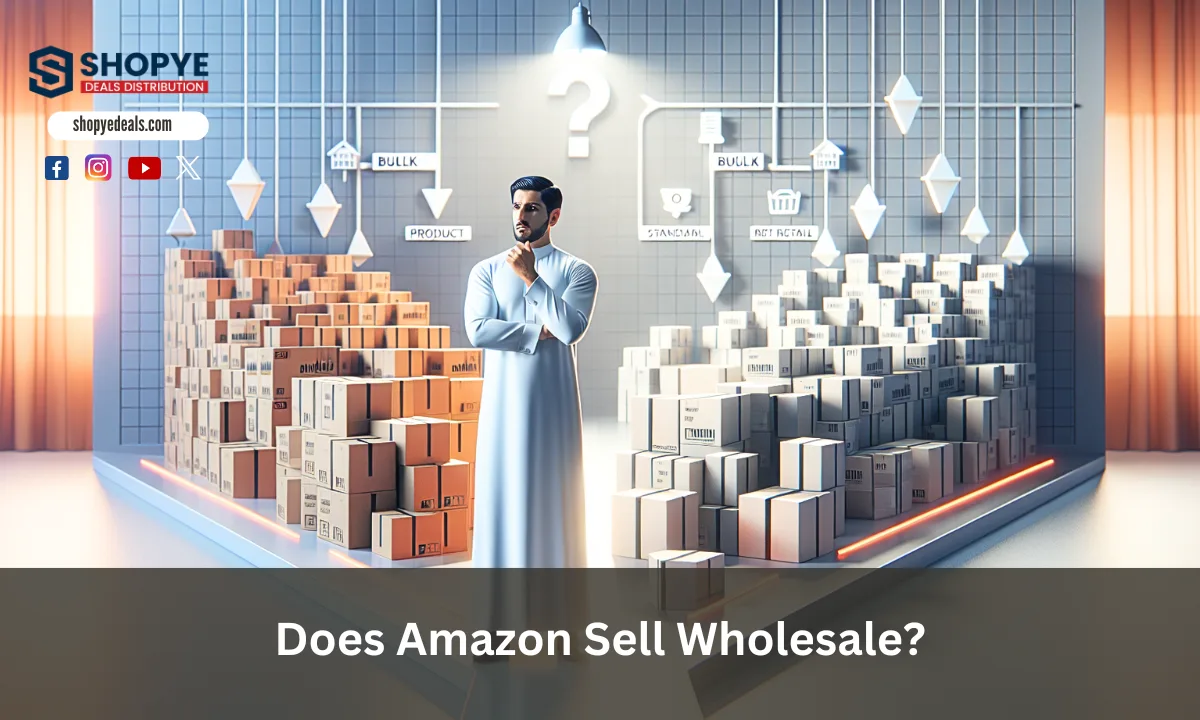
If you are a business owner or a reseller, you might have asked yourself: Does Amazon sell wholesale? This is one of the most common questions in 2026, especially for entrepreneurs who want to buy products in bulk, save on costs, and resell them for profit. Understanding how Amazon operates in the wholesale space can help you make smarter decisions and avoid wasting time on the wrong channels.
Amazon plays a dual role in the wholesale market. On one hand, it acts as a major buyer of wholesale goods, sourcing products from manufacturers and suppliers to stock its own inventory. On the other hand, Amazon also acts as a wholesale supplier through specific B2B and liquidation channels, allowing other businesses to purchase products in bulk for resale. This dual function makes Amazon a unique platform for wholesale opportunities, but it is different from a traditional wholesale supplier.
It is important to set the right expectations from the start. Amazon’s regular consumer storefront is not a wholesale platform. You cannot simply buy large quantities at deep discounts there and expect the same benefits as traditional wholesalers. Instead, you need to use Amazon Business for bulk procurement if you are stocking your office, school, or business operations. For reselling purposes, you have options like the Amazon Bulk Liquidation Store or B-Stock auctions, where you can purchase overstock, returns, and pallets of products. Knowing the difference between these channels will help you plan your sourcing strategy and use Amazon effectively as a wholesale resource.
This introduction sets the stage for understanding how you can leverage Amazon’s wholesale channels in 2026, highlighting the tools, programs, and strategies you need to access bulk inventory and maximize your business potential.
Understanding Amazon’s Wholesale Model in 2026

Amazon’s wholesale opportunities are organized into different channels, each designed for specific business needs. Understanding these channels will help you choose the right path for sourcing products efficiently and maximizing your returns.
If your goal is to stock your office, school, or operational supplies, Amazon Business is your primary tool. This platform is designed for companies that need high-volume supplies, offering business-only pricing and quantity discounts on millions of items. You can use the RFQ tool to request custom quotes for very large orders, such as those exceeding $10,000 or 999 units. This allows you to access deeper discounts than what is normally advertised, helping you save on bulk procurement and manage your operational costs effectively.
For resellers who want to flip products or test small-scale reselling, the Amazon Bulk Liquidation Store is a valuable resource. Here, you can purchase overstock, shelf pulls, and customer returns in bulk. These items are sold in fixed-price lots and are generally final sales, so you must plan carefully and understand the as-is condition of each product. Enrollment in the Amazon Tax Exemption Program (ATEP) is required to avoid paying retail sales tax, making it essential for your wholesale operations. Using this store, you can quickly auto-find lots in specific categories such as electronics, toys, and home products, allowing you to source products efficiently for resale.
If you are looking for true pallet-level wholesale, Amazon partners with B-Stock Solutions to run private auctions. Through B-Stock, you can bid on truckloads or pallets of Amazon inventory. Unlike mystery boxes, these auctions usually provide a manifest that details exactly what is in each lot, including the original MSRP and ASIN for every product. This transparency makes it easier to plan your reselling strategy and calculate potential profit margins. To participate, you will need a resale certificate, and you should be prepared for shipping logistics like LTL freight or liftgate fees if you do not have a commercial loading dock.
It is important to note that Amazon does not sell wholesale through its regular consumer storefront. Large discounts and bulk purchasing options are only available through specialized channels like Amazon Business, Bulk Liquidation, or B-Stock auctions. Trying to buy wholesale quantities directly from the consumer site will not give you the pricing or volume benefits you need for serious business operations. By using the right channel, you can access bulk procurement, manage inventory, and resell products effectively while following Amazon’s requirements for businesses and resellers.
Amazon Business: Wholesale-Style for End-User Companies
Amazon Business is designed to meet the needs of companies that require high-volume supplies. It functions like a wholesale platform for businesses, offering business-only pricing and quantity discounts that are not available on the regular Amazon consumer storefront. This means that when you buy in bulk, you can save significantly compared to standard retail pricing. The platform covers millions of products across categories such as office supplies, electronics, cleaning products, and industrial tools, making it easier for you to manage all your business procurement in one place.
One of the key features of Amazon Business is the RFQ tool, or Request for Quote. This tool is especially useful when you need to place very large orders, such as purchases exceeding $10,000 or 999 units. By submitting an RFQ, you can request a custom quote from sellers, often resulting in deeper discounts than what is advertised. This allows you to plan and optimize your bulk procurement strategy while maintaining control over costs and ensuring your orders meet your exact requirements.
To use Amazon Business, you must have the proper documentation. A Business Employer Identification Number (EIN) is required to verify that you are a legitimate company. This ensures that only businesses can access the business-only pricing and bulk purchasing benefits. Having your documentation ready also speeds up the setup process and prevents delays when placing large orders.
The best use case for Amazon Business is when you are stocking operational supplies for your office, school, or business. Whether you need furniture, electronics, cleaning supplies, or industrial tools, Amazon Business allows you to purchase everything in bulk with cost savings. By leveraging business-only pricing and quantity discounts, you can reduce procurement costs, streamline ordering, and keep your operations running smoothly without the challenges of sourcing products from multiple suppliers. This makes Amazon Business an essential tool for efficient, cost-effective, and reliable bulk procurement.
Amazon Bulk Liquidation Store: Fixed-Price Lots for Resellers
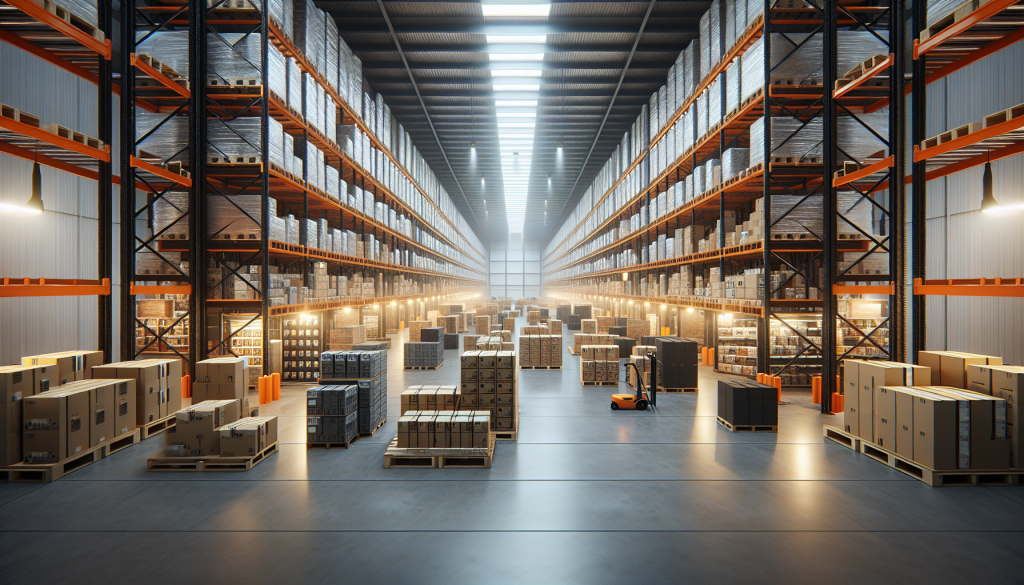
The Amazon Bulk Liquidation Store is designed for resellers who want to purchase products in bulk for resale or testing purposes. This channel works by selling overstock, shelf pulls, and customer returns in large lots. Overstock refers to items that Amazon has in excess inventory, while shelf pulls are products removed from store shelves due to seasonal changes, packaging updates, or minor damages. Customer returns include items that have been returned but are still in a sellable condition. By buying these products in bulk, you can access a wide range of items at lower costs, allowing you to resell them for profit or test small-scale selling strategies before committing to larger purchases.
To access the Bulk Liquidation Store, you must be enrolled in the Amazon Tax Exemption Program (ATEP). This program allows you to purchase items without paying retail sales tax, which is crucial for resellers looking to maintain cost efficiency and maximize their profit margins. Enrollment in ATEP ensures that you are recognized as a business operating legally, and it is a required step before you can make bulk purchases from this channel.
The best use case for this channel is small-scale reselling or testing new product categories. If you are exploring a new niche or trying to identify products with strong resale potential, the Bulk Liquidation Store allows you to source inventory efficiently without making a large upfront investment. By strategically selecting lots and leveraging the as-is pricing, you can minimize risk while learning how to manage bulk products, shipping logistics, and resale strategies effectively. This channel is ideal for entrepreneurs who want to start reselling on Amazon or other platforms while keeping initial costs manageable.
B-Stock Auctions: Pallet-Level Wholesale
B-Stock is a specialized platform that partners with Amazon to offer pallet-level wholesale opportunities for resellers. Unlike the Bulk Liquidation Store, which sells fixed-price lots, B-Stock operates as a private auction marketplace where you can bid on large quantities of inventory. This includes truckloads or pallets of overstock, customer returns, and shelf pulls from Amazon’s warehouses. The partnership between Amazon and B-Stock allows resellers like you to access large volumes of products with detailed information about each lot, making it easier to plan your purchasing and resale strategies.
The auction format is straightforward but requires strategy. Each lot comes with a manifest, which is a detailed spreadsheet that shows exactly what items are included, along with their original MSRP and ASIN. This transparency allows you to calculate potential profit margins before bidding. You place bids against other qualified resellers, and the highest bidder wins the lot. This competitive process can be highly effective if you understand market demand and have a plan for handling bulk inventory, including shipping and storage logistics.
To participate in B-Stock auctions, you must have the proper documentation. A valid Resale Certificate is required, which confirms that you are purchasing items for resale rather than personal use. This ensures compliance with tax regulations and verifies that you are a legitimate business operating within the B2B procurement framework. Preparing your documentation in advance can save you time and prevent delays when registering for auctions or placing bids.
The best use case for B-Stock is buying large quantities of products to resell or flip for profit. If you are looking to scale your reselling business or invest in high-volume inventory, this channel provides the transparency, variety, and volume needed to make informed decisions. By leveraging B-Stock’s manifests and auction system, you can identify profitable lots, manage bulk purchases efficiently, and grow your resale operations while minimizing the risk of buying unsellable items. This platform is ideal for resellers who want to move beyond small-scale liquidation lots and operate at a larger, more professional level.
Choosing the Right Wholesale Path
When deciding which Amazon wholesale channel to use, it is important to match your business goals with the right platform. Each channel—Amazon Business, Bulk Liquidations, and B-Stock—serves a different purpose, and choosing the wrong one can lead to wasted time, higher costs, or unsellable inventory. Understanding the decision framework will help you streamline your sourcing strategy and get the most value from your purchases.
If your goal is to stock an office, school, or operational supplies, Amazon Business is the ideal choice. It provides business-only pricing and quantity discounts, allowing you to purchase high-volume products at cost-effective rates. You will need a Business EIN to access these benefits, which confirms that you are a legitimate company and ensures compliance with Amazon’s B2B requirements.
For small-scale reselling or testing new products, the Amazon Bulk Liquidation Store works best. Here, you can buy overstock, shelf pulls, or customer returns in lots, typically in fixed prices. You must be enrolled in the Amazon Tax Exemption Program (ATEP) to purchase these lots without paying sales tax. Because the products are sold as-is, experienced resellers use the “40% Rule,” which assumes that about 40% of items may be broken, damaged, or unsellable. This helps you calculate the potential profit margin and make informed purchasing decisions.
B-Stock auctions are suited for buying large quantities to resell or flip. If you are ready to scale your reselling business and handle pallet-level inventory, B-Stock provides manifests for each lot, so you know exactly what you are buying. To participate, you must have a valid Resale Certificate, ensuring that your purchases are for resale purposes. These auctions are competitive, so careful planning and knowledge of market demand are essential.
For personal use or one-time purchases, regular Amazon is sufficient. You do not need special documentation, but the pricing and quantity options are limited compared to wholesale channels.
Setting up your business properly is critical to accessing these wholesale channels. Without a Business EIN, ATEP enrollment, or Resale Certificate, you cannot legally or effectively participate in Amazon’s B2B and liquidation programs. By preparing your documentation and understanding the requirements for each channel, you can take advantage of bulk procurement opportunities and maximize your resale profits.
Using the “40% Rule” for liquidation lots gives you a realistic framework to plan your purchases. It accounts for the fact that not all items will be in perfect condition and ensures you do not overpay for inventory. By combining careful business setup with strategic channel selection and risk management, you can successfully navigate Amazon’s wholesale ecosystem in 2026 and grow your business efficiently.
Logistics and Reality of Amazon Wholesale in 2026
When you start buying bulk inventory from Amazon liquidation channels or B-Stock auctions, shipping logistics become an important part of your procurement process. Most pallet-level purchases are not shipped through normal parcel delivery. Instead, they are delivered using LTL freight, which stands for Less Than Truckload shipping. This method is used for pallets or large loads that do not fill an entire truck but are still too large for standard shipping services. As a buyer, you must plan where the freight will be delivered and how it will be unloaded when it arrives.
Many wholesale shipments are delivered to a commercial loading dock. A loading dock allows forklifts or pallet jacks to unload pallets quickly and safely. If you do not have access to a warehouse or commercial dock, you may need to request a liftgate service. A liftgate is a special platform attached to the truck that lowers the pallet from the truck to the ground. While this makes residential delivery possible, it usually adds extra fees to the shipping cost. Understanding these logistics helps you estimate your true procurement cost before you place bids or purchase liquidation lots.
To succeed with wholesale buying, you also need a clear strategy for bidding and procurement. Before placing a bid on a pallet or truckload, always review the manifest carefully. The manifest shows the ASIN, original MSRP, and product quantity in the lot. By analyzing this information, you can estimate resale value and demand. Many experienced resellers also research current market prices on Amazon or other marketplaces to determine whether the products can be resold profitably. This research helps you avoid overbidding and protects your margins.
Another useful tip is to set a maximum bid limit before entering an auction. This prevents emotional bidding and helps you stay within your calculated profit range. Using the 40 percent recovery rule is a common strategy in the liquidation industry. This rule assumes that only about 40 percent of the inventory will be fully resellable after accounting for damaged items, missing parts, or customer returns. By applying this rule, you can make more realistic decisions when evaluating bulk lots.
However, there are also risks involved in liquidation procurement. Some items in a pallet may be damaged, used, or not working properly. In some cases, products may be difficult to resell because of low demand, outdated models, or restricted categories. Unsellable inventory can reduce your profit if you do not plan carefully. This is why many experienced resellers start with smaller lots to test the market before moving into larger pallet purchases.
Another challenge is restricted access to certain wholesale channels. Platforms like Amazon B-Stock require a resale certificate and proper business verification before you can participate in auctions. Some marketplaces also limit who can bid based on location, tax registration, or business documentation. Preparing your business setup in advance helps you avoid delays and ensures you can access the right procurement channels when opportunities appear.
By understanding shipping logistics, setting smart bidding strategies, and managing the risks of liquidation inventory, you can build a more reliable wholesale sourcing system. Careful planning allows you to control costs, avoid common mistakes, and make better decisions when buying bulk inventory for resale.
Recap and Key Takeaways
Amazon offers several ways for businesses and resellers to access bulk inventory, but each channel serves a different purpose. If you are asking if Amazon sells wholesale, the answer depends on which platform you use. The main wholesale-style options include Amazon Business, Amazon Bulk Liquidations, and B-Stock auctions. Understanding how these channels work will help you choose the right sourcing method for your business goals.
Amazon Business is mainly designed for companies that need large quantities of products for daily operations. Through this platform, you can procure office supplies, electronics, tools, and other business materials with business-only pricing and quantity discounts. The system supports bulk procurement for organizations that want to streamline purchasing and reduce operational costs. If your goal is to stock an office, school, or company department, Amazon Business provides a simple and structured procurement environment.
Amazon Bulk Liquidations is more suitable if your focus is reselling or testing new product categories. In this channel, you can buy bulk lots that include overstock, shelf pulls, and customer returns. These lots are often sold at fixed prices and are available across many product categories. Many small resellers use this platform to auto-find inventory opportunities and experiment with resale strategies before moving to larger purchases. Since the items are sold as-is, it is important to review the lot details and plan your resale process carefully.
B-Stock auctions represent the most advanced wholesale option offered through Amazon’s liquidation ecosystem. Here, you can bid on pallets or even truckloads of inventory. Each lot usually includes a manifest that lists the ASIN, original MSRP, and product quantity. This detailed information allows you to analyze potential resale value and calculate profit margins before bidding. For resellers who want to scale their operations and manage larger inventory volumes, B-Stock provides access to pallet-level wholesale sourcing.
To participate in these wholesale channels, proper documentation and business setup are essential. Amazon Business typically requires a verified business account with a Business EIN. For Bulk Liquidations, enrollment in the Amazon Tax Exemption Program (ATEP) helps you avoid paying retail sales tax on inventory purchases. B-Stock auctions require a valid resale certificate to confirm that you are buying products for resale. Preparing these documents in advance ensures that you can access procurement opportunities without delays.
Strategic planning is also important if you want to maximize your return on investment from wholesale purchasing. Before buying bulk inventory, you should evaluate market demand, resale pricing, shipping costs, and potential product condition risks. Many experienced resellers follow structured sourcing methods, including analyzing manifests, applying realistic recovery estimates, and setting clear bidding limits. These practices help you control costs and avoid purchasing inventory that cannot be resold profitably.
When you combine the right wholesale channel with proper documentation and careful planning, Amazon’s ecosystem can become a valuable sourcing tool for your business. By choosing the correct platform and managing your procurement strategy wisely, you can improve your inventory flow, reduce risks, and build a sustainable resale operation.
FAQs
Can anyone buy wholesale from Amazon in 2026?
Not everyone can directly access Amazon’s wholesale channels in 2026. While anyone can shop on the regular Amazon storefront, wholesale-style purchasing requires a proper business setup. If you want to buy inventory in bulk through Amazon Business, Bulk Liquidations, or B-Stock auctions, you must verify your business information first. This usually includes registering a business account, providing a Business EIN, or joining the Amazon Tax Exemption Program. These requirements help Amazon confirm that you are purchasing products for business operations or resale rather than personal use. Once your account is verified, you can access bulk procurement options, quantity discounts, and liquidation opportunities that are not available to regular shoppers.
How can I auto-find bulk lots or return pallets on Amazon?
To auto-find bulk lots or return pallets, you need to use Amazon’s liquidation and B2B channels instead of the regular shopping marketplace. The Amazon Bulk Liquidation Store is one of the easiest places to start. Here you can browse fixed-price lots that include overstock, shelf pulls, and customer returns across categories like electronics, toys, and home products. Another option is the B-Stock marketplace, where you can search for pallet or truckload auctions with detailed manifests. Many resellers regularly monitor these platforms to identify profitable inventory opportunities. By filtering product categories, reviewing lot manifests, and tracking auction listings, you can quickly locate bulk inventory that fits your resale strategy.
What documentation is required for Amazon B-Stock auctions?
To participate in Amazon B-Stock auctions, you must verify your business with proper documentation. The most important requirement is a valid resale certificate. This document confirms that you are purchasing products for resale and allows you to avoid paying retail sales tax on wholesale inventory. During the registration process, you may also need to provide basic business information, such as your company name and tax identification details. Once your account is approved, you can begin bidding on pallet-level or truckload inventory. Having the correct documents prepared in advance helps you move quickly when new auction opportunities appear.
Which Amazon channel is best for small-scale reselling?
If you are starting with small-scale reselling, the Amazon Bulk Liquidation Store is usually the best option. This platform allows you to purchase smaller bulk lots at fixed prices, making it easier to test product categories without committing to large pallet shipments. Many beginners use this channel to learn how liquidation sourcing works and to evaluate resale demand before scaling their operations. As your experience grows, you may choose to expand into B-Stock auctions, where you can access larger inventory volumes and potentially higher profit margins. Starting small and learning the procurement process step by step can help you reduce risk and build a more stable resale business.
More wholesale article previews
Use these related guides to compare brands, categories, and supplier options before making your next wholesale order.
 SKIN1004 Wholesale Distributor | Bulk Skincare Distribution Looking for SKIN1004 wholesale products can be a smart move for retailers, online sellers, beauty stores, and resellers… Read guide →
 Skincare Wholesale Distributors USA: A Practical Sourcing Guide for Retailers For retailers looking for reliable skincare wholesale distributors USA, Shopye Deals Distribution provides a practical B2B sourcing option… Read guide →
 Where to Buy NINELESS Wholesale: Sourcing Guide for Resellers If you are deciding where to buy nineless wholesale, start with a plain thesis. Buy a focused serum… Read guide →
 Where to Buy EUNYUL Wholesale: Sourcing Guide for Resellers If you are asking where to buy eunyul wholesale, you are asking a practical sourcing question, not a… Read guide →
 Where to Buy NACIFIC Wholesale: Sourcing Guide for Resellers If you are deciding where to buy NACIFIC wholesale, start with the question that matters most: can you… Read guide →
 Where to Buy Dr.Althea Wholesale: Sourcing Guide for Resellers The Sourcing Thesis Resellers who ask where to buy Dr.Althea wholesale are usually asking a simpler question underneath… Read guide →