Quick buyer overview
This long-form guide is now organized for faster scanning. Jump to the section you need, search other Shopye articles, or continue reading the full wholesale breakdown.
- Compare MOQ, pricing, and supplier reliability before ordering.
- Use the section index to jump straight to price, supplier, or FAQ details.
- Search more wholesale guides without leaving the article page.
If you want to understand how does Amazon wholesale work in 2026, you first need to know that the business model has changed a lot over the last few years. In the past, many sellers believed wholesale was simply about buying products at a low price and selling them higher on Amazon. While that basic idea still exists, the modern wholesale model is now much more advanced and structured.
Today, Amazon wholesale works as a logistics-driven e-commerce system. Instead of guessing which products might sell, you focus on products that already have strong demand in the marketplace. After finalizing your products, you must find Amazon FBA wholesalers. You analyze existing listings, study sales velocity, and review metrics such as BSR (Best Sellers Rank) to confirm that a product is already selling consistently. This approach reduces risk because you are not launching a new product. You are supplying inventory for products that customers are already buying.
Once you identify a high-demand product, the next step is to secure the legal right to sell it. This usually means contacting the brand or an authorized distributor and opening a wholesale account. Brands today care about who sells their products, so they often require proof that you operate as a professional reseller. You may need to show documents such as your business registration, resale certificate, and sometimes a Letter of Authorization (LOA). This process helps build trust and forms the foundation of a long-term brand partnership.
After you establish the supplier relationship, the operational focus shifts to logistics and supply chain management. Instead of shipping products directly to customers yourself, most wholesalers send inventory into Amazon’s fulfillment network through FBA (Fulfillment by Amazon). In many cases, inventory first moves through a prep center or 3PL facility where products are inspected, labeled with FNSKU barcodes, and prepared for Amazon inbound shipping. This system allows Amazon to handle the pick, pack, and ship process once a customer places an order.
Another major change in 2026 is the use of data and automation. Successful sellers no longer rely on guesswork when choosing products. They use product research tools and analytics platforms to auto find profitable wholesale opportunities. These tools track price stability, seller competition, and historical sales data. By studying these signals, you can identify products that have steady demand and healthy margins.
Automation also plays an important role in pricing strategy. Wholesale listings often have multiple sellers competing for the Buy Box. To stay competitive without manually changing prices all day, sellers now rely on AI repricing tools. These systems automatically adjust your price in small increments so you remain competitive while protecting your profit margin.
In simple terms, Amazon wholesale in 2026 is built on three main pillars: data-driven product sourcing, strong brand relationships, and efficient logistics. When you combine these elements with automation and smart inventory management, you create a scalable wholesale business that can operate within Amazon’s global fulfillment network.
What Is Amazon Wholesale?
To understand how does Amazon wholesale work, you need to first understand the basic structure of the wholesale business model. Amazon wholesale is a reselling model where you purchase products in bulk from brands, manufacturers, or authorized distributors and then sell those same products on Amazon. Instead of creating your own product or brand, you sell items that already exist in the market and already have customer demand.
In simple terms, wholesale selling means you buy large quantities of products at a lower wholesale price and then sell them individually to customers at the retail price on Amazon. This process is often called a bulk-to-retail conversion model. You move products from the business-to-business supply chain into the consumer marketplace. Because the product already has demand and market data, the risk of product failure is much lower compared to launching a new product.
In the Amazon wholesale model, you usually work directly with brands or distributors. These suppliers provide you with a wholesale price list and allow you to order products in bulk. When you buy inventory from them, you receive an official invoice. This invoice is important because Amazon often requires invoice verification to confirm that your products are authentic and sourced from a legitimate supplier.
Once you have the inventory, you do not create a new product listing. Instead, you sell on an existing Amazon listing that already represents that branded product. Multiple sellers can share the same listing. Amazon then rotates the Buy Box among sellers based on price, account performance, and sales velocity. This means your job is not to build the listing but to compete effectively within that listing.
It is also important to understand the difference between wholesale and retail arbitrage. In retail arbitrage, you buy discounted products from retail stores or online shops and then resell them on Amazon. These purchases are usually small and inconsistent. Retail arbitrage often relies on temporary discounts or clearance sales, which makes it difficult to scale.
Wholesale works differently because you build direct supplier relationships. You open wholesale accounts with brands or distributors and place repeat orders based on demand. This creates a stable supply chain. Instead of chasing discounts, you focus on maintaining inventory, managing logistics, and keeping strong relationships with suppliers.
The bulk-to-retail conversion model is the core of Amazon wholesale. Products start in the B2B supply chain where suppliers sell large quantities to retailers. When you purchase these items in bulk and send them to Amazon fulfillment centers, they become available to retail customers through the Amazon marketplace. Amazon then handles the pick, pack, and shipping process when an order is placed.
Because the demand already exists and the logistics are handled by Amazon, the wholesale model allows you to focus on sourcing products, negotiating better supplier terms, managing your inventory levels, and maintaining competitive pricing. When done correctly, this model becomes a structured e-commerce system that relies on supply chain efficiency rather than product creation.
How Does Amazon Wholesale Work Step by Step?
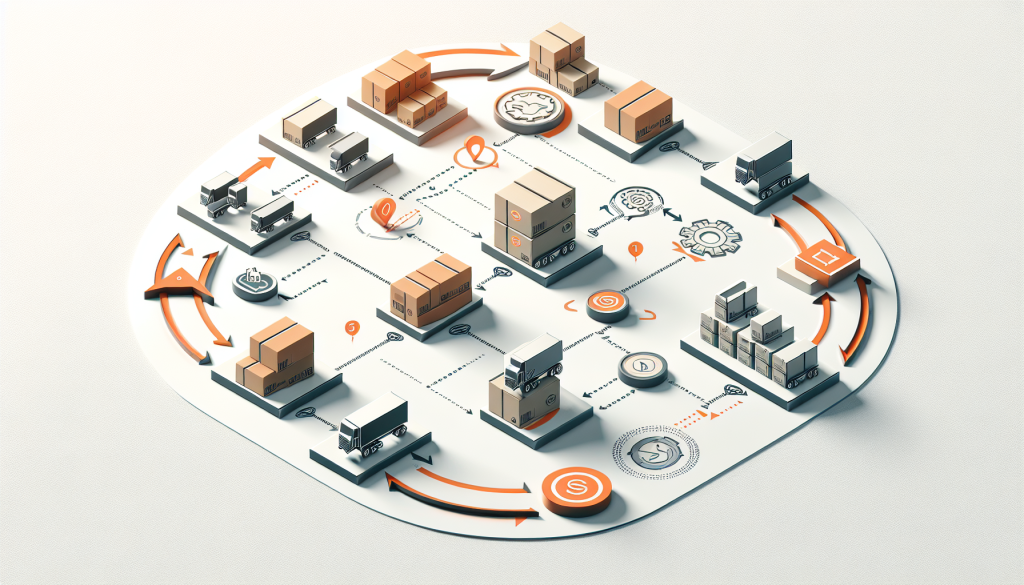
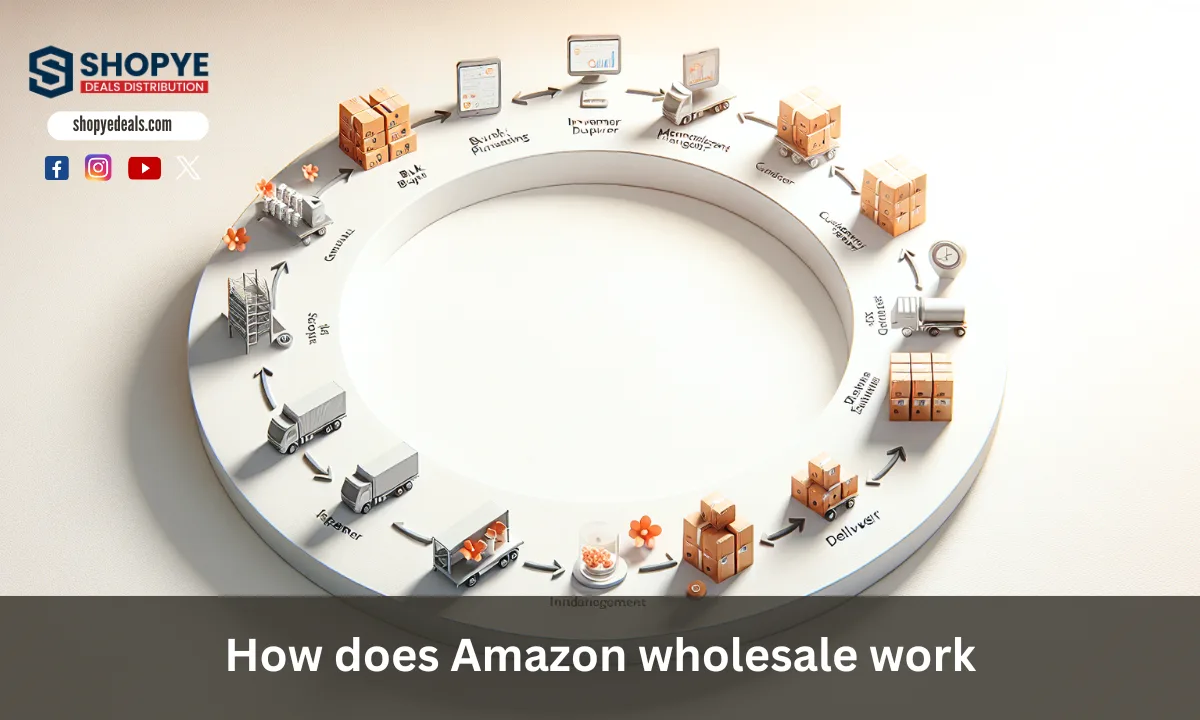
To clearly understand how does Amazon wholesale work, you need to look at the operational framework used by modern sellers. In 2026, successful wholesalers follow a structured four-step cycle. This cycle focuses on data-driven sourcing, supplier relationships, logistics management, and marketplace competition.
Instead of guessing which products might sell, you rely on product data, verified suppliers, and Amazon’s fulfillment network. Each step in this process helps you build a stable wholesale system that can scale over time.
1. Data-Driven Product Research
The first step in the wholesale cycle is product research. In the past, sellers often guessed which products might perform well. Today, you use analytics tools and marketplace data to make smart decisions.
You begin by analyzing sales data on Amazon. A key indicator is BSR, which stands for Best Sellers Rank. BSR shows how well a product sells within its category. A lower BSR means the product sells frequently and has strong demand. By reviewing BSR trends, you can quickly identify items that move consistently in the marketplace.
Professional sellers also study historical price charts and sales patterns. Tools such as Keepa and Helium 10 allow you to see price stability, sales velocity, and the number of competing sellers on a listing. This information helps you avoid unstable products that experience frequent price wars.
One common method used by experienced wholesalers is known as the Golden Ratio rule. This rule suggests that the ideal wholesale listing should have stable pricing for at least 90 days and between three and ten active sellers. When too many sellers compete on a listing, prices often drop quickly. When there are too few sellers, the brand may control the listing strictly and may remove unauthorized sellers.
Modern sellers also rely on automation to auto find profitable wholesale opportunities. Product research tools scan thousands of Amazon listings and highlight items that match your criteria. These tools look at demand signals such as sales rank, consistent pricing, and healthy profit margins. This data-driven approach removes guesswork and helps you build a stronger product pipeline.
2. Contacting Brands and Opening Wholesale Accounts
After you identify a profitable product, the next step is establishing a supplier relationship. Amazon wholesale works best when you buy directly from brands, manufacturers, or authorized distributors.
Before a brand agrees to work with you, they usually want to confirm that you operate as a legitimate business. This means you need basic business documentation. Most suppliers request proof such as your LLC registration, EIN number, and resale certificate. These documents show that you are a professional reseller and that you understand business tax requirements.
Once you have your business credentials ready, you can begin contacting brands and distributors. This usually involves sending professional wholesale inquiries through email or supplier contact forms. In your message, you introduce your company, explain that you sell on Amazon, and ask to open a wholesale account.
Professional wholesalers do not only ask for a price list. Instead, they position themselves as valuable partners. For example, you may offer to help maintain the brand’s presence on Amazon by reporting unauthorized sellers, improving product listings, or managing inventory supply.
If the brand approves your request, they provide a wholesale price list and minimum order quantity requirements. At this stage, you may negotiate pricing or payment terms such as Net 30. Once you place an order, the supplier issues an official invoice.
Invoices play an important role in Amazon compliance. Amazon may request invoice verification to confirm that your products are authentic. Some sellers also request a Letter of Authorization, also called an LOA. This document confirms that the brand allows you to sell their products, which can help protect your account from inauthentic product claims.
3. The 2026 Logistics Model: From Supplier to Amazon
The biggest operational shift in Amazon wholesale today is logistics. Modern sellers focus heavily on supply chain management because efficient logistics directly affect profit and scalability.
Once you purchase inventory from your supplier, the products usually do not go directly to Amazon. Instead, many sellers ship their products to a prep center or third-party logistics provider, commonly known as a 3PL.
A 3PL prep center prepares your products for Amazon fulfillment. The team at the prep center receives your shipment, inspects the items, and checks for damage or incorrect quantities. They also apply FNSKU labels, which are Amazon’s internal barcodes used to track each seller’s inventory.
The prep center may also bundle products, package them according to Amazon standards, and prepare cartons for Amazon inbound shipments. For larger shipments, many sellers use LTL shipping, which stands for Less Than Truckload. This method allows you to send pallets of inventory to Amazon fulfillment centers in a cost-effective way.
Once your shipment arrives at Amazon’s warehouses, the inventory becomes active in the FBA system. FBA stands for Fulfillment by Amazon. Amazon then handles the pick, pack, and shipping process whenever a customer places an order.
This logistics-first model allows you to focus on sourcing, supplier negotiation, and inventory planning while Amazon manages the delivery process.
4. Competing for the Buy Box
The final step in the wholesale cycle is winning sales on Amazon listings. Unlike private label sellers, wholesale sellers usually share the same product listing with multiple competitors.
When several sellers offer the same product, they compete for the Buy Box. The Buy Box is the section of the product page where customers click the Add to Cart button. Amazon uses an algorithm to rotate the Buy Box among sellers who meet performance standards.
Several factors influence Buy Box rotation. Price competitiveness is important, but it is not the only factor. Amazon also considers account health, order defect rate, shipping performance, and sales velocity.
Because prices change frequently in competitive listings, most wholesalers use AI repricing tools. These automation systems monitor competitor prices and adjust your listing price automatically. Instead of manually changing prices throughout the day, the software updates your price in small increments to stay competitive.
A good repricer helps you remain eligible for the Buy Box while protecting your profit margin. At the same time, inventory management tools help track stock levels and reorder points so you do not run out of products.
By combining automated pricing, healthy account metrics, and stable inventory supply, you increase your chances of winning the Buy Box and generating consistent sales on Amazon.
How Sellers Auto Find Wholesale Products in 2026
One of the biggest changes in the Amazon wholesale industry is the use of automation for product sourcing. In the past, sellers spent many hours manually searching Amazon listings and trying to guess which products might be profitable. In 2026, the process is much more advanced. Modern sellers use automation tools and data analysis systems to auto find wholesale products that already show strong demand and stable pricing.
The goal of modern sourcing is not to search randomly. Instead, you rely on marketplace data and intelligent tools that help you identify products with proven performance. This method reduces risk and allows you to focus on products that already have strong sales velocity on Amazon.
Reverse Sourcing Strategy
Reverse sourcing is one of the most common strategies used by experienced Amazon wholesalers. Instead of searching for suppliers first, you start by analyzing successful product listings on Amazon.
In this method, you look at products that already rank well in their category and have a healthy BSR, which means the product sells frequently. Once you identify a listing with consistent sales and stable pricing, you study the brand behind that product. The next step is to contact the brand or an authorized distributor and ask to open a wholesale account.
This approach is effective because you already know the product is selling before you buy inventory. You are not guessing what customers want. You are simply joining an existing demand cycle and supplying inventory for products that customers already trust.
AI Product Discovery Tools
Automation tools have become an important part of wholesale sourcing. AI-powered research platforms help you scan thousands of Amazon listings and highlight products that match your sourcing criteria.
These tools analyze large amounts of marketplace data such as sales velocity, price history, profit margin potential, and seller competition. Instead of manually checking every listing, the software identifies possible opportunities and shows you products that meet your business rules.
For example, you can set filters to find items with stable pricing, strong monthly sales, and moderate competition. The system will then generate a list of products that match those signals. This allows you to auto find profitable wholesale products much faster than manual research.
Marketplace Data Analysis
Data analysis plays a major role in the sourcing process. Successful wholesalers do not only look at current price or sales rank. They also analyze historical performance and market trends.
You may review price charts over several months to see if a product has stable pricing. If the price drops frequently, it may indicate intense competition or unstable demand. You can also examine the number of sellers on the listing and how often the Buy Box rotates.
Another important factor is sales velocity. A product that sells consistently every day is usually a stronger wholesale candidate than a product with irregular sales patterns. By studying these signals, you can make more informed sourcing decisions.
Supplier Directories and Brand Research
Once you identify potential products, the next step is finding the right suppliers. Many wholesalers use supplier directories, brand websites, and distributor networks to locate companies that sell products in bulk.
You may search for the official brand website and look for a wholesale application page. Some brands allow retailers to apply directly for reseller accounts. In other cases, you may need to work with authorized distributors that supply multiple brands.
Brand research is important because it helps you confirm that the supplier is legitimate. Working with verified distributors ensures that your invoices will pass Amazon’s invoice verification process if the platform requests documentation.
Filtering Products Based on Demand and Competition
The final step in sourcing automation is filtering product opportunities. Even if a product shows good sales data, you still need to confirm that the marketplace conditions are healthy.
Experienced sellers often filter products using three key factors: demand, seller count, and price stability. Demand is usually measured through BSR and estimated monthly sales. Seller count helps you understand how many competitors already sell the product. Price stability shows whether the market price remains steady over time.
When these signals are balanced, the product becomes a strong wholesale candidate. High demand means customers are actively buying. A moderate number of sellers reduces the risk of extreme price competition. Stable pricing allows you to maintain a predictable profit margin.
By combining reverse sourcing, AI product discovery tools, and data filtering strategies, you create a system that can consistently auto find profitable wholesale products. This automation-driven approach allows you to scale your sourcing process and focus on building long-term supplier relationships and efficient inventory management.
Amazon Wholesale vs Private Label
If you are learning how does Amazon wholesale work, you will also notice that many sellers compare it with the private label model. Both business models allow you to sell products on Amazon, but the way you operate the business is very different. Understanding these differences helps you choose the model that fits your experience level, budget, and long-term goals.
Amazon wholesale focuses on selling existing branded products that already have market demand. Private label, on the other hand, means creating your own brand and launching a completely new product in the marketplace. Because the structure of these two models is different, the effort, cost, and risk level also change.
Time to Profit
One of the biggest advantages of the wholesale model is the faster time to profit. When you sell wholesale products, you work with listings that already exist on Amazon. These listings already have reviews, search ranking, and sales history. As soon as your inventory reaches Amazon’s fulfillment centers, you can start competing for the Buy Box and generating sales.
In contrast, private label requires more time before you see results. You must first develop a product, design packaging, create a new listing, and then launch the product with marketing campaigns. It often takes several months to build reviews and customer trust before sales become stable.
Because wholesale uses products with proven demand, you can usually see sales activity much sooner.
Startup Effort
The startup effort also differs between the two models. With wholesale, your main work involves product research, supplier communication, and logistics planning. You analyze sales data, auto find profitable listings, contact brands, and order inventory in bulk.
Private label requires a different type of effort. You must focus on product development, branding strategy, packaging design, listing creation, and marketing campaigns. This process involves more creative work but also requires deeper planning and testing.
For beginners who want a more structured business process, wholesale often feels easier to manage.
Marketing Cost
Marketing cost is another important difference. Wholesale products usually already have search visibility on Amazon. Customers already recognize the brand, and the listing already receives traffic. Because of this, most wholesale sellers rely on organic demand and Buy Box competition rather than large advertising budgets.
Private label products usually need strong marketing support. Sellers often run PPC advertising campaigns, influencer promotions, and social media ads to introduce the product to the market. These campaigns can increase product visibility, but they also increase the cost of launching the business.
Wholesale sellers often spend less on marketing because the demand already exists in the marketplace.
Product Risk
Product risk is another factor that affects many beginners. In the private label model, you are launching a completely new product. Even if you conduct research, there is always uncertainty about how customers will respond. A new product may take time to gain reviews or may struggle to compete against established brands.
Wholesale carries lower product risk because you are selling products that already perform well. By analyzing metrics such as BSR, price history, and sales velocity, you can identify products with proven demand before investing in inventory. This data-driven sourcing approach reduces the chances of choosing a product that does not sell.
Supply Chain Control
Supply chain control is one area where private label has an advantage. In a private label business, you control the product design, packaging, and branding. You can improve the product over time and build a unique brand identity.
In wholesale, the brand controls the product and the listing. Your role is to manage sourcing, inventory supply, and pricing competition. While you do not control the product itself, you can build strong relationships with suppliers and negotiate better purchasing terms as your business grows.
Why Many Beginners Start With Wholesale
Many new Amazon sellers choose wholesale because the business model relies on proven demand and structured operations. You do not need to invent a new product or build a brand from the beginning. Instead, you focus on sourcing inventory, managing supplier relationships, and maintaining efficient logistics.
By using product research tools and data analysis, you can auto find listings that already generate consistent sales. This allows you to enter the marketplace with less uncertainty compared to launching a brand-new product.
For beginners who want to understand how Amazon wholesale works, the model offers a practical entry point into e-commerce. It allows you to learn marketplace competition, supply chain management, and inventory planning while working with products that customers already trust. Over time, this experience can help you expand your sourcing network and build a more scalable Amazon business.
Financial Structure of Amazon Wholesale

When you start selling wholesale on Amazon, understanding the business economics is essential. Knowing how costs, fees, and cash flow work allows you to make smarter decisions, maintain healthy margins, and scale your business sustainably. Unlike guesswork selling, modern Amazon wholesalers rely on structured calculations and financial planning to ensure profitability.
Landed Cost Calculation
The first step in understanding your economics is calculating the landed cost of a product. Landed cost is the total expense of getting your inventory ready for sale on Amazon. This includes the wholesale price, shipping fees, import duties (if sourcing internationally), prep center charges, and any labeling or packaging costs.
By accurately calculating landed cost, you can determine your true profit per unit. For example, if a product costs $10 from a supplier and it costs another $5 to ship, prep, and label it, your landed cost is $15. This becomes the baseline for setting competitive prices that still generate profit.
Amazon Referral Fees
Every sale on Amazon comes with a referral fee. This is a percentage of the selling price that Amazon charges for using their platform. Referral fees vary by category, usually ranging from 8% to 15%.
When calculating your profit, you must deduct this fee from your selling price. For example, if you sell a product for $30 and the referral fee is 15%, Amazon takes $4.50. Understanding these fees upfront helps you set realistic pricing and prevents unexpected margin losses.
FBA Fulfillment Fees
If you use Fulfillment by Amazon (FBA), you also pay fees for storage and fulfillment. FBA fees cover picking, packing, and shipping products when a customer places an order. There are also monthly storage fees for keeping inventory in Amazon warehouses.
These costs vary based on product size, weight, and storage duration. Accurately accounting for FBA fees ensures that your pricing strategy is profitable and that you maintain healthy margins.
ROI Expectations
Return on Investment (ROI) is a critical metric in wholesale. ROI measures how much profit you earn relative to the money you invest in inventory. For example, if you spend $1,000 on products and earn $1,300 after all fees, your ROI is 30%.
Modern wholesalers aim for a consistent ROI by selecting products with stable pricing, proven demand, and moderate competition. Analyzing ROI before purchasing inventory helps you prioritize high-performing products and avoid tying up capital in slow-moving items.
Cash Conversion Cycle
Managing your cash flow is crucial for sustainability. The cash conversion cycle represents the time between purchasing inventory and receiving payment from sales. For wholesale sellers, this includes the time it takes for the supplier to ship, for Amazon to sell your product, and for funds to become available in your account.
A shorter cash conversion cycle is ideal because it allows you to reinvest funds quickly into new inventory. You can optimize this by monitoring inventory turnover, choosing fast-selling products, and keeping close communication with suppliers.
Net 30 Supplier Terms
Many wholesale suppliers offer Net 30 payment terms. This means you have 30 days to pay for the inventory after receiving it. Net 30 terms help manage cash flow by giving you extra time to sell the products and receive revenue before paying the supplier.
Using Net 30 terms strategically allows you to scale faster because you can reinvest sales proceeds into additional inventory without needing a large upfront capital. It also gives you room to handle unexpected expenses without interrupting operations.
Inventory and Cash Flow Management
Effective inventory and cash flow management are key to running a successful wholesale business. You must monitor stock levels to avoid running out of fast-selling products or overstocking slow movers. Automation tools can help you track inventory, forecast demand, and trigger reorder alerts.
By combining accurate cost calculations, fee awareness, ROI tracking, and careful supplier payment management, you maintain a healthy cash flow and reduce the risk of holding unproductive inventory. This structured approach allows you to grow your Amazon wholesale business efficiently while keeping operations profitable and predictable.
The Compliance Rule: Protecting Your Amazon Account
If you want to run a successful Amazon wholesale business, understanding compliance is critical. Amazon closely monitors sellers to protect buyers and maintain trust in the marketplace. Failing to follow the platform’s rules can lead to account suspension, lost sales, and long delays in reinstatement. To avoid these issues, you need to maintain accurate documentation for every product you sell.
Authorized Invoices
Every product you source should come with an authorized invoice from a legitimate supplier or brand. This invoice proves that the products are authentic and legally purchased. Amazon may request these invoices at any time to verify your inventory.
Your invoice should include the supplier’s contact information, the purchase date, product quantities, and prices. Keeping copies of authorized invoices ensures that you can quickly respond to any account or product verification requests.
Minimum Unit Purchase Requirements
In 2026, Amazon often requires proof that you bought a minimum number of units for each product. Typically, sellers must show that at least 10 units were purchased per invoice. This rule helps Amazon verify that you are operating as a professional reseller rather than a casual or unauthorized seller.
By meeting minimum unit purchase requirements, you protect your account from claims of inauthentic or unauthorized sales. It also strengthens your credibility with suppliers when negotiating repeat orders.
Brand Authorization Letters
In addition to invoices, some brands provide a Letter of Authorization, or LOA. This letter confirms that the brand allows you to sell its products on Amazon. LOAs are especially useful if an inauthentic claim arises or if another seller challenges your right to sell a product.
Having a brand authorization letter helps you respond quickly to Amazon’s inquiries and protects your listing from being removed. Brands often issue LOAs to trusted sellers, so maintaining good relationships with suppliers is key.
Handling Inauthentic Claims
Even when you follow all rules, other sellers may try to challenge your inventory with inauthentic claims. These claims occur when someone reports that your products are not genuine. If Amazon receives a claim, your account may be temporarily suspended until you provide proof.
By maintaining authorized invoices and LOAs, you can quickly respond to inauthentic claims and have your account reinstated. This proactive approach minimizes the risk of lost sales and prevents long-term damage to your seller reputation.
Maintaining a Verifiable Paper Trail
The foundation of compliance is keeping a clear and verifiable paper trail. Every invoice, LOA, purchase order, and correspondence with suppliers should be stored in an organized system. Digital copies are acceptable, but they must be legible and easily accessible.
A verifiable paper trail allows you to respond to Amazon inquiries quickly and demonstrates professionalism. It also helps you track your inventory, plan future orders, and maintain financial transparency.
Why Compliance Is Critical
Compliance is not just a legal requirement; it is a core part of Amazon’s ecosystem. The platform relies on trust between buyers, sellers, and brands. By following documentation rules, maintaining invoices, and securing brand authorizations, you ensure that your account remains in good standing.
In 2026, the competitive Amazon marketplace rewards sellers who operate professionally and maintain proper documentation. Compliance reduces risk, protects your investment, and allows you to focus on growing your wholesale business without interruptions caused by account suspensions or inauthentic claims.
Common Mistakes New Amazon Wholesalers Make
Even with a strong understanding of how Amazon wholesale works, new sellers often make mistakes that can slow down growth or reduce profits. Recognizing these common pitfalls early can save you time, money, and stress. In 2026, successful wholesalers focus on strategic sourcing, effective logistics, and automation to maintain a competitive edge.
Choosing Oversaturated Listings
One of the most common mistakes is picking products that are oversaturated in the marketplace. Oversaturation happens when too many sellers offer the same product on a single listing. In these cases, price competition is fierce, margins shrink, and winning the Buy Box becomes very difficult.
To avoid this, you should analyze BSR trends, the number of active sellers, and historical price stability before purchasing inventory. Look for listings with moderate competition—enough to confirm demand but not so much that prices drop quickly. By carefully selecting listings, you reduce the risk of unsold inventory and maintain profitable margins.
Ignoring Buy Box Competition
Another frequent error is ignoring Buy Box dynamics. The Buy Box is the “Add to Cart” section on a product listing, and it is where most sales happen. If you neglect to monitor Buy Box rotation, pricing, and account health, you may miss opportunities to capture sales even for products with high demand.
Winning the Buy Box requires a combination of competitive pricing, healthy seller metrics, and consistent inventory. Failing to account for these factors can leave your inventory sitting idle, which reduces cash flow and slows growth.
Buying Inventory Without Supplier Verification
Many beginners make the mistake of buying inventory without properly verifying their suppliers. Without verification, you risk receiving counterfeit, inauthentic, or low-quality products. Amazon strictly enforces rules around authenticity, and selling unverified products can lead to account suspension.
Always check that your supplier is authorized to sell the brand, request official invoices, and, if possible, obtain a Letter of Authorization (LOA). Supplier verification protects both your account and your reputation as a seller.
Poor Logistics Planning
Logistics is another area where new wholesalers often struggle. Some sellers fail to plan for storage, shipping, or prep center requirements. Without careful logistics planning, you may face delays, higher costs, or inventory mismanagement.
In 2026, efficient supply chain management is critical. You need to coordinate shipments from suppliers to 3PL prep centers and then to Amazon FBA warehouses. Proper logistics planning ensures that products arrive on time, are properly labeled, and are ready for sale, which keeps your inventory moving and cash flow steady.
Not Automating Repricing
Finally, many beginners try to manage pricing manually. On competitive listings, prices fluctuate constantly due to Buy Box rotation and other sellers’ activity. Manually adjusting prices is time-consuming and often leads to lost sales or reduced profit.
Using AI repricing tools allows your prices to adjust automatically based on market conditions while maintaining a healthy margin. Automation ensures that you remain competitive, win the Buy Box more frequently, and focus your time on higher-level tasks like sourcing and supplier management.
By avoiding these common mistakes—oversaturated listings, ignoring Buy Box dynamics, unverified suppliers, poor logistics planning, and manual repricing—you can build a more efficient, profitable, and scalable Amazon wholesale business. The key is to combine data-driven strategies with automation and disciplined operational practices.
Is Amazon Wholesale Still Profitable in 2026?
As you build your Amazon wholesale business, it is important to understand the market reality in 2026. The landscape has changed significantly, and success depends on how well you adapt to increased competition, leverage automation, and manage supplier relationships. Ignoring these factors can slow growth or reduce profitability.
Increased Competition
Amazon wholesale has grown rapidly over the years, and competition is now stronger than ever. Multiple sellers often offer the same branded product, all competing for the Buy Box. This increased competition means that simply sourcing popular products is no longer enough. You must actively manage pricing, inventory, and account health to remain competitive.
Competition also impacts margins. Oversaturated listings may drive prices down, so you need to carefully select products where demand and seller count are balanced. By understanding the level of competition before investing in inventory, you protect your cash flow and maintain profitability.
Growth of Automation Tools
Automation is no longer optional in modern wholesale. Tools for product research, inventory management, and AI repricing have become essential. These platforms allow you to auto find profitable products, track competitor prices, and adjust your listings in real-time.
Automation reduces manual work, ensures consistent pricing, and helps you scale operations efficiently. Sellers who rely solely on manual processes often struggle to keep up with the market, miss the Buy Box rotation, and lose sales to competitors who leverage technology.
Importance of Supplier Relationships
Strong relationships with suppliers and brands have become one of the most critical factors in success. Brands today are protective of their image, and they often approve only verified, professional sellers. Maintaining a solid supplier relationship ensures you get authorized invoices, Letters of Authorization (LOA), favorable pricing, and consistent inventory supply.
These relationships also provide strategic advantages. Suppliers may offer exclusive products, early access to new inventory, or advice on market trends. A reliable supplier can be the difference between a stable business and frequent stockouts or compliance issues.
Long-Term Scalability
To scale your Amazon wholesale business, you must focus on systems that allow long-term growth. This includes automating sourcing, maintaining healthy inventory turnover, and continuously analyzing sales and competition. Scalability is not just about adding more products—it’s about building processes that support consistent performance without increasing risk or workload proportionally.
Why Logistics Efficiency and Brand Partnerships Determine Profitability
In 2026, profitability is determined as much by operations as by product selection. Efficient logistics ensures that inventory moves quickly from suppliers to Amazon FBA warehouses without delays or added costs. Slow or inefficient logistics can tie up capital, create storage fees, and reduce ROI.
Brand partnerships also play a critical role. By securing authorized access and maintaining supplier trust, you reduce the risk of account suspensions and inauthentic claims. These partnerships provide a stable foundation for sourcing products with proven demand, allowing you to focus on scaling your business rather than troubleshooting compliance issues.
In short, the modern Amazon wholesale market rewards sellers who combine data-driven sourcing, automation, and efficient logistics with strong brand relationships. By focusing on these areas, you create a profitable, scalable, and sustainable business that can thrive even in a highly competitive marketplace.
Final Thoughts:
As you have seen, understanding how Amazon wholesale works in 2026 goes beyond simply buying products and listing them on Amazon. The modern model is structured, data-driven, and focused on efficiency. By mastering the key components of this business, you can build a scalable and profitable e-commerce operation.
Data-Driven Product Research
The foundation of a successful wholesale business is identifying products with proven demand. Using analytics tools, AI product discovery platforms, and historical marketplace data, you can auto find listings that have stable sales, moderate competition, and strong ROI potential. By relying on data rather than guesswork, you reduce risk and focus your investment on products that are likely to sell quickly.
Legitimate Brand Relationships
Working with verified brands and authorized distributors is critical. Maintaining proper documentation, including invoices and Letters of Authorization (LOA), ensures compliance and protects your account from inauthentic claims. Strong supplier relationships also give you access to exclusive opportunities, better pricing, and reliable inventory, which are essential for scaling your business.
Efficient Logistics Pipeline
Efficient logistics is a key differentiator in 2026. Modern wholesalers use prep centers, 3PLs, and FBA to streamline inventory handling, labeling, and fulfillment. By optimizing the flow of products from suppliers to Amazon warehouses, you save time, reduce costs, and maintain consistent availability for customers. Logistics efficiency directly affects profitability and overall business growth.
Automation for Pricing and Sourcing
Automation tools allow you to stay competitive in a crowded marketplace. AI repricers adjust your prices in real-time to maximize Buy Box opportunities without manual monitoring. Product research automation helps you quickly identify profitable opportunities and track market trends. These systems reduce manual work, protect margins, and allow you to focus on strategic business decisions rather than repetitive tasks.
Building a Scalable E-Commerce Business
When you combine data-driven research, legitimate brand relationships, an efficient logistics pipeline, and automation, you create a wholesale business model that can scale. Understanding each part of this system lets you manage inventory, maintain healthy cash flow, and compete effectively in the Amazon marketplace.
By mastering how Amazon wholesale works in 2026, you are not just selling products—you are building a structured, repeatable, and scalable e-commerce business. With the right strategy, tools, and relationships, you can grow your operations steadily while minimizing risk, maximizing profit, and positioning yourself for long-term success.
FAQs
How Does Amazon Wholesale Work for Beginners?
If you are just starting out, understanding how Amazon wholesale works may seem overwhelming, but it follows a clear and structured process. For beginners, the key is to focus on products with proven demand, build legitimate supplier relationships, and use Amazon’s infrastructure to handle fulfillment.
At its core, Amazon wholesale involves buying products in bulk from brands or authorized distributors and selling them on existing Amazon listings. Unlike private label, you do not create a new brand or develop your own product. Instead, you leverage products that already have customer demand and a sales history. This reduces risk, speeds up time to profit, and allows you to focus on sourcing, inventory management, and competitive pricing.
As a beginner, your workflow typically involves these steps: identify high-demand products using marketplace data, open accounts with verified suppliers, ship inventory to a prep center or FBA warehouse, and then compete for the Buy Box with optimized pricing. By following this cycle, you gradually learn how to manage operations, automate tasks, and scale your business efficiently.
Can You Auto Find Wholesale Products on Amazon?
Yes, you can auto find wholesale products on Amazon using data-driven tools and AI-powered research platforms. Modern sellers no longer rely on guesswork. Instead, you use tools like Keepa, Helium 10, and other AI discovery software to analyze sales history, price trends, competition, and Best Sellers Rank (BSR).
These platforms can scan thousands of listings, highlight high-demand products, and filter opportunities based on criteria such as stable pricing, moderate seller competition, and profit potential. This automation makes it much easier for beginners to identify profitable wholesale products without manually researching each listing.
Reverse sourcing is another method you can use. You start by looking at successful Amazon listings, then contact the brand or authorized distributor to open a wholesale account. This ensures you are working with products that already sell well and reduces the risk of purchasing inventory that may not move.
Do You Need a Business License for Amazon Wholesale?
Yes, most brands and distributors require proof that you operate a legitimate business before they will allow you to open a wholesale account. Typically, you need an LLC or registered business, an EIN, and a resale certificate. These documents demonstrate that you are a professional seller and that you comply with tax and legal requirements.
Having a verified business also protects you on Amazon. The platform requires invoices and supplier verification for all products you sell. Without proper documentation, your account could be flagged for non-compliance, which can lead to restrictions or suspension. A business license is therefore not just a legal formality—it is a requirement for credibility, compliance, and long-term success in wholesale selling.
Is Amazon Wholesale Better Than Private Label?
For beginners, Amazon wholesale is often a better starting point than private label. The main reason is lower risk: wholesale involves selling products that already have proven demand, whereas private label requires creating a new product and building a brand from scratch.
Other differences include:
- Time to Profit: Wholesale can start generating revenue quickly because you sell on existing listings. Private label may take months to gain traction.
- Startup Effort: Wholesale focuses on sourcing and logistics, while private label requires product development, packaging design, and marketing campaigns.
- Marketing Costs: Wholesale relies mostly on organic demand and Buy Box competition, while private label often needs advertising and promotion.
- Supply Chain Control: Private label allows full control over the product, but wholesale relies on the supplier and brand.
Overall, for beginners, wholesale is easier to scale, has lower upfront costs, and provides a clear path to learning Amazon operations. As you gain experience, you can choose to expand into private label or combine both models to diversify your revenue streams.
If you want to understand how does Amazon wholesale work in 2026, you first need to know that the business model has changed a lot over the last few years. In the past, many sellers believed wholesale was simply about buying products at a low price and selling them higher on Amazon. While that basic idea still exists, the modern wholesale model is now much more advanced and structured.
Today, Amazon wholesale works as a logistics-driven e-commerce system. Instead of guessing which products might sell, you focus on products that already have strong demand in the marketplace. You analyze existing listings, study sales velocity, and review metrics such as BSR (Best Sellers Rank) to confirm that a product is already selling consistently. This approach reduces risk because you are not launching a new product. You are supplying inventory for products that customers are already buying.
Once you identify a high-demand product, the next step is to secure the legal right to sell it. This usually means contacting the brand or an authorized distributor and opening a wholesale account. Brands today care about who sells their products, so they often require proof that you operate as a professional reseller. You may need to show documents such as your business registration, resale certificate, and sometimes a Letter of Authorization (LOA). This process helps build trust and forms the foundation of a long-term brand partnership.
After you establish the supplier relationship, the operational focus shifts to logistics and supply chain management. Instead of shipping products directly to customers yourself, most wholesalers send inventory into Amazon’s fulfillment network through FBA (Fulfillment by Amazon). In many cases, inventory first moves through a prep center or 3PL facility where products are inspected, labeled with FNSKU barcodes, and prepared for Amazon inbound shipping. This system allows Amazon to handle the pick, pack, and ship process once a customer places an order.
Another major change in 2026 is the use of data and automation. Successful sellers no longer rely on guesswork when choosing products. They use product research tools and analytics platforms to auto find profitable wholesale opportunities. These tools track price stability, seller competition, and historical sales data. By studying these signals, you can identify products that have steady demand and healthy margins.
Automation also plays an important role in pricing strategy. Wholesale listings often have multiple sellers competing for the Buy Box. To stay competitive without manually changing prices all day, sellers now rely on AI repricing tools. These systems automatically adjust your price in small increments so you remain competitive while protecting your profit margin.
In simple terms, Amazon wholesale in 2026 is built on three main pillars: data-driven product sourcing, strong brand relationships, and efficient logistics. When you combine these elements with automation and smart inventory management, you create a scalable wholesale business that can operate within Amazon’s global fulfillment network.
More wholesale article previews
Use these related guides to compare brands, categories, and supplier options before making your next wholesale order.
 Outdoor Cap Wholesale: A Complete Guide to Buying Wholesale Outdoor Caps The demand for outdoor cap wholesale products continues to make caps an attractive category for retailers, sports stores,… Read guide →
 Where to Buy Anker Wholesale: Sourcing Guide for Electronics and Mobile Resellers Every device a customer owns is a charging problem waiting to happen, and Anker built its name on… Read guide →
 Where to Buy Owala Wholesale: Sourcing Guide for Sporting Goods and Gift Resellers The reusable water bottle went from commodity to cultural object in under a decade, and Owala rode that… Read guide →
 Where to Buy SadoTech Wholesale: Sourcing Guide for Home Improvement Resellers The wireless doorbell is the rare home product that sells itself in one sentence: no wiring, installs in… Read guide →
 Where to Buy Sennheiser Wholesale: Sourcing Guide for Music and AV Resellers Pro audio is a category where the name on the microphone decides the sale before the customer hears… Read guide →
 Where to Buy CLIF Bar Wholesale: Sourcing Guide for Grocery and Outdoor Resellers Energy bars are the rare grocery category that sells in the checkout lane, the gym bag, the trailhead,… Read guide →