

Quick buyer overview
This long-form guide is now organized for faster scanning. Jump to the section you need, search other Shopye articles, or continue reading the full wholesale breakdown.
- Compare MOQ, pricing, and supplier reliability before ordering.
- Use the section index to jump straight to price, supplier, or FAQ details.
- Search more wholesale guides without leaving the article page.
If you want to succeed in e-commerce today, you must first understand what to sell on Amazon in the modern marketplace. In the past, most sellers focused only on high-volume products. They searched for items with the largest number of monthly searches and tried to compete in those markets. This strategy worked years ago when Amazon’s search mainly depended on basic keywords and product titles. However, the platform has changed a lot. In 2026, product discovery is driven more by customer intent, semantic relevance, and AI-powered search systems.
Today, choosing what to sell on Amazon is not just about finding a popular item. Instead, you must find a product that solves a specific problem for a specific type of customer. This is why many experienced sellers now focus on high-intent niches instead of large generic markets. A high-intent niche means a product category where shoppers already know what they want and are close to making a purchase. These buyers often use longer and more detailed search queries because they are looking for a clear solution. For example, instead of searching for “yoga mat,” a customer may search for “eco-friendly yoga mat for small apartment.” This type of search shows strong intent to purchase.
Another major reason for this shift is the rise of AI-driven shopping assistants like Amazon Rufus. This system helps shoppers ask natural language questions and receive product recommendations that match their needs. Instead of typing only short keywords, customers can now ask complex questions such as “What is the best portable air purifier for a small bedroom?” Rufus analyzes the query, understands the problem, and then recommends products that best match the intent behind the search. Because of this change, Amazon’s algorithm now focuses more on contextual meaning, semantic search signals, and product relevance.
For sellers, this change creates a new opportunity. Instead of guessing product ideas, you can now use AI insights and search intelligence to auto-find profitable niches. Tools that analyze Search Query Performance, customer review sentiment, and market demand can help you understand what shoppers actually want. When you combine this data with proper product validation, you can discover product ideas that solve real customer problems. This approach helps you reduce risk and build a stronger Amazon business in the AI-driven marketplace.
Why Product Research in 2026 Is Different

In the past, many sellers decided what to sell on Amazon by focusing only on keyword volume. The common method was simple. You searched for a keyword with high monthly searches, checked the competition, and then launched a similar product. Also, many smart sellers find the best Amazon wholesale suppliers to get massive profits. This approach worked because Amazon’s search systems mostly ranked listings based on keyword matching. If your title, bullet points, and description include the main keyword many times, your product could appear in search results.
However, this strategy is no longer enough in 2026. Amazon has moved from simple keyword matching to intent-based product discovery. Instead of only checking how many times a keyword appears in your listing, the platform now analyzes what the customer really wants. The system studies search query performance, buying behavior, and product relevance to understand the intent behind the search. Because of this change, you must think about the real problem your product solves instead of only the keyword you want to rank for.
Conversational shopping queries now play a major role in how products appear in Amazon search results. Many customers do not type short keywords anymore. Instead, they ask full questions or detailed requests. For example, a shopper may ask, “What is the best ergonomic mouse for small hands?” or “Which reusable kitchen storage set is good for small apartments?” These natural language queries are processed by AI systems like Amazon Rufus, which analyze the context of the question and recommend the most relevant products.
Because of this change, sellers must focus more on problem-solving niches instead of selling generic products. Generic items such as basic kitchen tools or simple phone accessories are already saturated with thousands of similar listings. When you enter these markets, you compete mostly on price, which reduces your profit margin. In contrast, a problem-solving niche focuses on a specific customer need. For example, instead of selling a regular desk lamp, you could sell an adjustable desk lamp designed for small workspaces or rental apartments. When your product solves a clear problem, Amazon’s algorithm can easily match it with relevant search queries.
AI algorithms now play a strong role in product discovery on Amazon. These systems analyze many signals such as semantic relevance, customer reviews, click-through rate, and conversion data. Semantic relevance means your product listing must match the meaning of the search query, not just the words. If your listing clearly explains the product’s use case, features, and target customer, the algorithm can understand when to recommend your product. This is why modern product research must combine keyword analysis, customer intent signals, and AI-driven search intelligence. When you follow this approach, you can identify better product opportunities and improve your chances of success on Amazon.
Understanding Amazon Search Intelligence Before Choosing a Product
When you plan what to sell on Amazon, you must first understand the data signals that control how products appear in search results. Amazon’s marketplace now uses advanced search intelligence to decide which listings match customer needs. These systems do not look only at keywords. They also study shopper behavior, product relevance, and purchase patterns. If you want to succeed, you must learn how these signals work and how they guide product discovery.
One important system involved in this process is Amazon Rufus. This AI assistant analyzes product listings and indexes them based on meaning, context, and product use cases. Rufus helps shoppers ask natural questions and receive product suggestions that match their intent. Because of this system, Amazon listings must explain clearly what the product does, who it is for, and how it solves a problem. When your listing provides clear information, the AI system can understand your product better and show it to the right customers.
Another important signal is Search Query Performance, often called SQP. This data shows how customers interact with search results. It tracks important metrics such as clicks, conversion rates, and purchasing behavior for specific queries. When you analyze SQP data, you can see which keywords lead to real sales instead of just traffic. This helps you understand which search terms have strong buying intent. As a seller, this information allows you to focus on keywords that bring customers who are ready to purchase.
The intent-to-purchase ratio is another useful signal for product research. This metric helps you measure how many searches turn into actual purchases. A keyword may have thousands of searches, but if very few shoppers buy after searching it, the demand may not be strong. On the other hand, a search query with fewer searches but a high purchase rate shows strong buyer intent. This is why experienced sellers often prefer high-intent keywords instead of only chasing large search volumes.
Semantic relevance is also very important in Amazon’s search ecosystem. Semantic relevance means that your listing must match the meaning of a customer’s search query. The system studies your product title, bullet points, description, and other listing content to understand what your product does. If your content clearly explains the product features, benefits, and use cases, the algorithm can match your listing with relevant customer searches. When your listing aligns with user intent, your chances of ranking and converting improve.
By understanding these signals, you can also auto-find high-intent product opportunities more effectively. Instead of guessing product ideas, you can analyze search behavior, customer reviews, and purchase trends to identify real market gaps. For example, if customers search for a specific problem but current products have poor reviews or weak solutions, this may be a strong opportunity. When you combine search query performance data, purchase intent signals, and semantic relevance insights, you can discover product niches that have strong demand and lower competition. This data-driven approach helps you choose smarter products and build a more successful Amazon business.
How to Identify High-Intent Niches Instead of High-Volume Products
When you research what to sell on Amazon, you will often hear the term high-intent niche. In simple terms, a high-intent niche is a small product market where buyers already know what they want and are close to making a purchase. These customers usually search with detailed phrases because they are looking for a specific solution. This type of search behavior shows strong buying intent. For sellers, this is very valuable because it means the traffic you receive is more likely to convert into real sales.
In the Amazon ecosystem today, high-intent niches are more important than large generic markets. Generic categories often have thousands of sellers offering very similar products. When you enter those markets, you compete mainly on price, and it becomes difficult to stand out. In contrast, a high-intent niche focuses on a clear customer need. When your product solves that need better than existing options, Amazon’s search system can match your listing with the right buyers more easily.
One way to identify high-intent niches is by looking at long-tail product searches. Long-tail keywords are longer and more specific search phrases used by customers who know exactly what they want. For example, instead of searching for “desk lamp,” a shopper may search for “adjustable desk lamp for small workspace.” Instead of searching for “yoga mat,” a customer might search for “eco-friendly yoga mat for apartment workouts.” These types of queries give you important insight into the problems customers are trying to solve.
Modern shopping behavior also includes conversational queries because many shoppers now interact with AI shopping assistants like Amazon Rufus. Instead of typing short keywords, customers ask questions in natural language. The system then recommends products that best match the intent behind the query. Because of this shift, Amazon’s search engine often favors products that clearly address a specific need rather than broad and generic items.
This is also why micro-problem products perform well in AI-driven search environments. A micro-problem product solves a small but very clear issue for a specific group of users. For example, an ergonomic mouse designed for small hands solves a problem that many standard products ignore. Another example could be compact storage solutions made for small apartments or rental kitchens. When your product solves a precise problem, the search system can easily connect it with the right search query. This improves your visibility and increases the chance of conversions.
Another effective method to discover these opportunities is reverse keyword research. Instead of starting with a product idea, you start by studying what customers are already searching for. You analyze competitor listings, search queries, and review feedback to understand common complaints and unmet needs. For example, if many customers mention discomfort, poor durability, or missing features in reviews, this information can guide you toward a better product design.
By combining long-tail keyword analysis, review insights, and search intelligence, you can auto-find niche product ideas that have strong demand. This method allows you to move beyond generic product selection and focus on solutions that customers actively want. When your product matches a clear customer problem and aligns with search intent, your chances of success on Amazon increase significantly.
Top Product Categories Showing Discovery Momentum in 2026

1. Smart Home and Wellness Technology
Smart home and wellness technology is one of the fastest-growing categories when you research what to sell on Amazon. Many customers now want products that help them improve their daily life, health, and home safety. Because of this trend, smart devices that collect data, monitor health, or automate home tasks are gaining strong demand. These products combine convenience with real value, which makes them attractive for modern online shoppers.
The growth of smart health devices is especially noticeable. Many people now track their health data using wearable technology and connected home devices. Products such as smart health monitors, wearable fitness trackers, and sleep tracking devices are becoming more common in everyday life. At the same time, smart home automation tools are also expanding. Devices that control lighting, temperature, security, and indoor air quality are now widely used by homeowners and apartment residents.
Some trending examples in this category include smart health monitoring devices that track heart rate or blood pressure, portable air purifiers with real-time pollution sensors, and AI-powered home security cameras. These types of products attract attention because they provide useful information and help users manage their health or home environment more efficiently. AI-driven monitoring systems can detect changes in the environment and send alerts directly to a smartphone, which improves convenience and safety.
Another reason this category is performing well is the growing use of AI shopping assistants such as Amazon Rufus. When customers ask questions like “What is the best smart device to monitor air quality in a bedroom?” the AI system looks for products that clearly match the intent behind the query. If your product listing explains the features, benefits, and use case clearly, the algorithm can easily recommend it.
Products that integrate with universal smart home standards are also gaining more visibility in search results. Universal connectivity allows different smart devices to work together across multiple platforms. When a product supports widely accepted smart home protocols, it becomes easier for customers to connect it with other devices they already own. Because of this compatibility, the algorithm often prioritizes products that offer better integration and user experience.
2. Eco-Friendly and Sustainable Essentials
Eco-friendly products are no longer a small niche. Sustainability has become a normal expectation for many online shoppers. When customers research what to sell on Amazon, they increasingly look for products that reduce waste, use safer materials, and support responsible manufacturing. As a seller, you should understand that many buyers now consider environmental impact before making a purchase decision.
Reusable household items are one of the most popular segments in this category. Many people are replacing single-use products with reusable alternatives that last longer and reduce waste. Examples include reusable kitchen storage containers, refillable cleaning bottles, and eco-friendly food storage solutions. These products attract customers who want to lower their daily waste while maintaining convenience in their homes.
Compostable and biodegradable cleaning tools are also growing in popularity. Items such as compostable sponges, bamboo cleaning brushes, and biodegradable trash bags appeal to customers who prefer environmentally friendly household products. These products solve a practical problem while supporting sustainable living, which increases their appeal in the online marketplace.
Sustainability certifications also play an important role in product visibility. When a product has verified eco-friendly credentials, it can gain additional trust from customers. Certifications and sustainability labels signal that the product meets certain environmental standards. This can increase click-through rates and improve conversion because customers feel more confident in their purchase decision.
Search systems also consider these signals when recommending products. When a shopper asks a question related to eco-friendly alternatives, the algorithm will look for listings that clearly mention sustainable materials, reusable design, or environmentally responsible features. When your product content highlights these benefits, it becomes easier for the system to match your listing with relevant search queries.
3. Micro-Problem Solvers
Micro-problem products represent another powerful opportunity when deciding what to sell on Amazon. These products focus on solving a very specific problem for a specific group of customers. Instead of targeting a large and general market, micro-problem products serve a narrow need that many traditional products do not address well.
For example, ergonomic tools designed for small hands solve a comfort problem that standard tools often ignore. Another example is compact home organization products designed for small apartments. These products help people who live in limited spaces organize their kitchens, closets, or work areas more efficiently. By addressing a clear and practical problem, these products often gain strong customer interest.
Many micro-problem products succeed because they are easy for customers to describe in search queries. A shopper may search for “ergonomic mouse for small hands” or “under cabinet lighting for rental apartment kitchen.” These queries show clear intent and describe the exact problem the customer wants to solve.
AI-powered search systems are very effective at identifying and recommending these products. Tools such as Amazon Rufus analyze the meaning of a search query and look for listings that provide the best solution. When your product clearly addresses a specific use case, the system can easily connect it with the customer’s request.
Because of this capability, micro-problem products often perform better than generic items in AI-driven search environments. They match detailed customer queries more accurately and often face less competition. When you focus on solving a specific customer problem and explain the product use case clearly in your listing, you increase your chances of reaching the right buyers and building a successful product on Amazon.
How to Validate What to Sell on Amazon

Before you decide what to sell on Amazon, you must validate your product idea carefully. Many beginners choose a product based only on trends or personal interest. This often leads to poor sales because the product may not have real demand or may already face strong competition. A structured product validation process helps you reduce risk and choose products with better market potential.
A good validation framework focuses on four main areas: demand check, competition gap, logistics audit, and AI readiness. Each step helps you understand whether the product has real demand, manageable competition, profitable shipping costs, and strong relevance in Amazon’s AI-driven search system.
Demand Check
The first step in product validation is checking whether the product has consistent search demand. You want to find products that customers are actively searching for throughout the year. High search demand means there is already an existing market for the product. When demand is stable, you have a better chance of generating consistent sales.
You can evaluate demand by studying keyword search data and search query performance metrics. Look for product keywords that receive regular monthly searches and show steady buyer interest. At the same time, you should analyze customer behavior signals such as click-through rate and conversion rate. These indicators help you understand whether people only search for the product or actually purchase it.
A strong demand signal usually appears when a keyword has steady traffic and a good purchase rate. This type of data allows you to auto-find product opportunities that already have active buyers instead of guessing what customers may want in the future.
Competition Gap
The next step is analyzing the competition gap. Even if a product has strong demand, it may still be difficult to enter the market if the competition is very strong. This is why you should carefully study competitor listings and customer reviews before launching a product.
Start by reading both positive and negative reviews on the top-selling products in your niche. Review sentiment analysis helps you identify common problems customers experience with existing products. For example, customers may complain about poor durability, uncomfortable design, weak materials, or missing features. These complaints provide valuable insight into what customers want but cannot find in current products.
By analyzing review feedback, you can discover opportunities to improve the product. This is where product differentiation becomes important. If you can solve a common problem that competitors ignore, your product gains a clear advantage in the marketplace.
Logistics Audit
The third step in the validation process is performing a logistics audit. Shipping, storage, and fulfillment costs play a major role in your overall profit margin. Even if a product sells well, high logistics costs can reduce your profitability.
One important factor to evaluate is the weight-to-value ratio. This means comparing how much the product weighs to how much you can sell it for. Lightweight products with a higher selling price usually provide better margins because they cost less to store and ship. In contrast, heavy or bulky products may have higher fulfillment fees and storage costs.
You should also consider packaging size, shipping distance, and preparation requirements. Products that require complex packaging or special handling may increase your operational costs. By selecting products with efficient shipping and simple preparation requirements, you can maintain better profitability and smoother inventory management.
AI Readiness
The final step in modern product validation is AI readiness. Amazon’s search ecosystem now uses AI-driven systems to match products with customer queries. Because of this, your product must have a clear and explainable use case.
When a customer asks a question through an AI shopping assistant like Amazon Rufus, the system analyzes the query and searches for products that best solve the problem. If your product listing clearly explains the product features, benefits, and use cases, the AI system can understand it and recommend it to the right audience.
You should ask yourself a simple question during validation: can the product easily answer a customer problem? If the product solves a specific need and the benefits are easy to explain, it is more likely to perform well in AI-driven search results.
By following this step-by-step framework, you can evaluate product opportunities more effectively. When you combine demand analysis, competition research, logistics evaluation, and AI readiness, you increase your chances of choosing the right product and building a successful Amazon business.
The “Information Gain” Strategy for Winning on Amazon
If you want to succeed when deciding what to sell on Amazon, you must understand that selling generic products is much harder in 2026. The Amazon marketplace has become very competitive. Thousands of sellers often offer similar products with almost the same features. When many listings look the same, the main way sellers compete is by lowering the price. This reduces profit and makes it difficult to build a strong brand.
Another reason generic products struggle is the way Amazon’s search ecosystem works today. Modern search systems use AI to understand customer intent and recommend products that best solve a specific problem. Tools such as Amazon Rufus analyze search queries and look for listings that provide clear value. If your product looks exactly like other listings, the system has no strong reason to recommend it. This means your product may receive less visibility and fewer sales.
Because of this change, successful sellers focus on differentiation. Differentiation means making your product stand out from existing listings by offering something new or improved. Instead of copying a popular product, you look for ways to improve the design, add useful features, or solve problems that customers mention in reviews. For example, if many customers complain that a product breaks easily, you can create a stronger version with better materials. If customers say a product is difficult to store, you can design a version with a more compact structure.
Product bundling is another effective strategy for differentiation. Bundling means combining two or more related items into a single package that provides additional convenience for the customer. Instead of selling a single item, you create a small solution kit that helps the customer complete a task more easily. For example, a home organization product can be bundled with storage labels or small accessories that improve usability. A fitness product may include a resistance band or a simple workout guide. Bundles increase the perceived value of the product and make your listing more attractive compared to standard offers.
Adding extra value is also a powerful way to improve your product offering. Customers appreciate products that provide helpful information or tools that make their experience better. You can include simple guides that explain how to use the product effectively or how to solve a related problem. For example, a kitchen product could include a short digital recipe guide or a cleaning instruction sheet. These small additions help customers feel that they are receiving more value from the purchase.
Accessories and design improvements also help increase product value. Small changes such as better packaging, improved ergonomics, or additional components can make your product easier to use and more appealing. When your product clearly solves a problem and provides extra benefits, it becomes easier for Amazon’s search system to recognize its relevance.
By focusing on differentiation, bundling, and added value, you move away from selling generic items and instead offer a complete solution. This approach helps your listing stand out in search results and improves your chances of building a profitable Amazon business.
How Sellers Can Auto-Find Profitable Amazon Products
When you plan what to sell on Amazon, using product research tools and AI insights can help you make better decisions. Instead of guessing product ideas, you can study real market data to understand what customers want. Modern product research platforms collect search data, sales estimates, and keyword trends that show how products perform in the marketplace.
By analyzing this information, you can automatically find product opportunities that already have demand. Product research tools help you study search volume, keyword trends, and purchase behavior. These signals show whether customers are actively searching for a product and whether they are likely to buy it. When you combine these insights with market data, you can identify product niches that have demand but still allow space for new sellers.
Another useful method is reverse ASIN analysis. An ASIN is the identification number used by Amazon for each product listing. Reverse ASIN research allows you to analyze a successful competitor’s product and discover which keywords bring traffic to that listing. Instead of starting with random keyword ideas, you start by studying products that already rank well in the marketplace.
This process helps you uncover important keyword patterns and search terms that customers use during product discovery. You may find long-tail keywords and niche search queries that competitors are targeting. These insights help you understand how customers search for products and what type of solutions they expect to find.
AI-powered shopping assistants also influence how product listings are discovered. Systems such as Amazon Rufus analyze product information, search queries, and customer behavior to recommend relevant items. When your product listing clearly explains the product use case, benefits, and target audience, the system can connect it with the right search queries. This improves your chances of appearing in product recommendations and search results.
Another important step in product research is reviewing competitor feedback. Customer reviews provide direct insight into what buyers like and dislike about existing products. When you read reviews carefully, you will notice repeated complaints or suggestions. These comments often reveal gaps in the market that sellers can use as opportunities.
For example, customers may complain about weak materials, uncomfortable design, confusing instructions, or missing features. These problems show areas where the current product does not fully satisfy the customer’s needs. If you create a better version that solves these issues, your product can stand out in the market.
Turning customer complaints into product ideas is a powerful strategy. Instead of creating a product from scratch, you improve an existing solution. This approach reduces risk because you already know that customers want the product category. Your goal is simply to make the product better.
By combining product research tools, reverse ASIN analysis, and review insights, you can auto-find profitable product opportunities more effectively. This data-driven method allows you to understand customer intent, identify market gaps, and design products that provide real value. When your product solves a clear problem and improves on existing options, you increase your chances of success on Amazon.
Common Mistakes Beginners Make When Choosing What to Sell on Amazon
When you are starting on Amazon, it’s easy to make mistakes that can slow down your business or even lead to losses. Many beginners focus only on what looks popular or easy to sell. However, in 2026, success depends on understanding demand, competition, logistics, and customer intent. Avoiding common mistakes can save you time, money, and frustration.
Copying Saturated Products
One of the biggest mistakes beginners make is copying products that are already saturated in the market. When thousands of sellers offer the same item, you are competing mainly on price. This lowers your profit margin and makes it very difficult to stand out. The Amazon search ecosystem also favors listings that offer unique value, clear problem-solving, and high semantic relevance. Simply replicating a generic product does not provide the algorithm or the customer with a reason to choose your listing over others. Instead, focus on differentiation, whether through bundles, better design, or added value.
Ignoring Logistics Costs
Another common mistake is ignoring logistics and fulfillment costs. Even if a product has strong demand, shipping, storage, and preparation fees can eat into your profit. For example, heavy or bulky items have higher fulfillment fees, which reduce your margin. Products that require complex prep or special handling also increase operational costs. By overlooking these factors, you risk selling products that look profitable on paper but actually generate very little return. Always evaluate the weight-to-value ratio, packaging size, and shipping efficiency before sourcing inventory.
Choosing Items Without a Clear Customer Problem
Many beginners select products based only on trends or personal preference, without considering whether the product solves a real customer problem. Selling items without a clear use case is risky because buyers have no strong reason to purchase them. Amazon’s AI-driven search systems, like Amazon Rufus, prioritize products that match user intent and solve specific problems. Products with no defined purpose or clear benefit often struggle to rank in search results, resulting in low visibility and poor sales.
Not Validating Demand Before Sourcing Inventory
Finally, not validating demand before investing in inventory is a critical error. Many beginners purchase products without confirming whether people actually want to buy them. High search volume does not always mean high purchase intent. You must analyze search query performance, intent-to-purchase ratios, and competitor behavior to confirm that there is real demand. Without validation, you risk overstocking products that will not sell, tying up capital and storage space unnecessarily.
By avoiding these mistakes, you can make smarter decisions when choosing what to sell on Amazon. Focus on products that solve a clear problem, have manageable logistics, and show consistent demand. Combine this approach with insights from AI-powered research tools and competitor analysis, and you will increase your chances of building a successful and profitable Amazon business.
Final Thoughts:
Choosing what to sell on Amazon in 2026 is very different from how it was just a few years ago. The old approach of picking high-volume products and competing mainly on price is no longer effective. Today, you need a more strategic, data-driven approach that focuses on customer intent, product differentiation, and thorough validation. Following this new strategy helps you reduce risk, stand out in the marketplace, and increase your chances of building a profitable Amazon business.
The first key element is intent. Successful products now solve a specific problem for a clearly defined audience. Customers are using long-tail and conversational search queries to find exactly what they need. By analyzing these queries, you can understand the real problems buyers face and identify opportunities where existing products do not fully meet their needs. High-intent niches allow you to target customers who are ready to purchase, rather than competing for generic traffic that rarely converts.
The second element is differentiation. Selling a generic product rarely works because the market is saturated and competition is fierce. To stand out, you must offer something unique. This can include product design improvements, additional accessories, bundled items, or value-added content such as guides or tutorials. Differentiated products provide customers with more reasons to choose your listing and signal to Amazon’s AI algorithms that your product is relevant and valuable.
The third element is validation. Before sourcing inventory, you need to confirm that your product has real demand, manageable competition, and profitable logistics. Use product research tools to analyze search volume, purchase intent, and competitor performance. Perform review sentiment analysis to identify gaps or complaints in the market that you can address. Ensure your product is lightweight, easy to ship, and clearly explains its use case to maximize AI visibility.
Finally, rely on AI insights and market data to auto-find winning product ideas. Systems like Amazon Rufus and advanced product research tools can help you identify high-intent search queries, underserved niches, and opportunities for differentiation. By combining these insights with careful validation, you can consistently discover products that are likely to perform well and provide a strong return on investment.
By focusing on intent, differentiation, and validation, and by leveraging AI-driven market intelligence, you can move beyond guesswork and build a smart, competitive strategy for choosing what to sell on Amazon. This approach positions you to reach the right customers, outperform competitors, and grow a sustainable business in the modern Amazon marketplace.
FAQs
How Do Beginners Decide What to Sell on Amazon?
If you are just starting on Amazon, deciding what to sell can feel overwhelming. Many beginners make the mistake of choosing products based only on popularity or personal preference. In 2026, this approach rarely works because the marketplace is highly competitive and driven by AI.
Instead, you should focus on products that solve a clear problem for a specific group of customers. Look for high-intent niches where buyers already know what they want and are close to making a purchase. Start by analyzing customer search queries, reading reviews, and identifying gaps in the market. This way, you target products that are more likely to sell and avoid oversaturated categories.
Can AI Tools Help Auto-Find Profitable Amazon Products?
Yes, AI tools can significantly improve how you find profitable products. Tools like Amazon Rufus analyze search queries, product listings, and buyer behavior to recommend products that match customer intent. AI can help you auto-find high-intent product opportunities by identifying keywords that lead to actual purchases, highlighting underserved niches, and analyzing competitor performance.
These tools save time and reduce guesswork, allowing you to make data-driven decisions instead of relying on assumptions. By using AI insights, you can focus on products with strong demand, better profit potential, and higher chances of success.
What Is the Best Niche to Sell on Amazon in 2026?
The best niche in 2026 is one that combines high customer intent, low competition, and clear problem-solving potential. Categories that are performing well include smart home and wellness technology, eco-friendly and sustainable essentials, and micro-problem products. Smart devices that monitor health or automate home tasks are in high demand, especially if they integrate with universal systems.
Eco-friendly products like reusable kitchen items or compostable cleaning tools attract customers who prioritize sustainability. Micro-problem products, such as ergonomic tools or compact apartment solutions, succeed because they solve very specific needs that generic products cannot. The key is to focus on niches where AI-driven search systems can clearly match your product to customer intent.
How Do I Validate a Product Before Selling It on Amazon?
Product validation is essential to ensure your investment is profitable. Start with a demand check by analyzing search volumes and intent-to-purchase ratios for your product keywords. Next, assess the competition gap by reviewing top sellers and studying customer reviews to find weaknesses you can improve.
Conduct a logistics audit to evaluate shipping costs, weight-to-value ratios, and preparation requirements to ensure profitability. Finally, check AI readiness by confirming your product has a clear use case that is easy to explain. If your product passes all these steps, it is more likely to perform well in search results and attract the right buyers.
Is Selling Generic Products Still Profitable on Amazon?
Selling generic products is much harder in 2026 and rarely profitable for new sellers. Generic items face high competition, often leaving price as the only differentiator. Modern Amazon search systems prioritize products that solve specific problems and match customer intent.
To succeed, you need to differentiate your product by improving design, adding value through guides or accessories, or creating bundles that enhance the customer experience. Products that stand out in features, usability, or problem-solving potential have a much higher chance of ranking well and converting buyers. Generic products may still sell, but focusing on high-intent, differentiated solutions is a smarter long-term strategy.
More wholesale article previews
Use these related guides to compare brands, categories, and supplier options before making your next wholesale order.
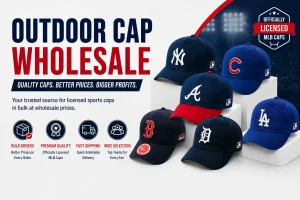 Outdoor Cap Wholesale: A Complete Guide to Buying Wholesale Outdoor Caps The demand for outdoor cap wholesale products continues to make caps an attractive category for retailers, sports stores,… Read guide →
 Where to Buy Anker Wholesale: Sourcing Guide for Electronics and Mobile Resellers Every device a customer owns is a charging problem waiting to happen, and Anker built its name on… Read guide →
 Where to Buy Owala Wholesale: Sourcing Guide for Sporting Goods and Gift Resellers The reusable water bottle went from commodity to cultural object in under a decade, and Owala rode that… Read guide →
 Where to Buy SadoTech Wholesale: Sourcing Guide for Home Improvement Resellers The wireless doorbell is the rare home product that sells itself in one sentence: no wiring, installs in… Read guide →
 Where to Buy Sennheiser Wholesale: Sourcing Guide for Music and AV Resellers Pro audio is a category where the name on the microphone decides the sale before the customer hears… Read guide →
 Where to Buy CLIF Bar Wholesale: Sourcing Guide for Grocery and Outdoor Resellers Energy bars are the rare grocery category that sells in the checkout lane, the gym bag, the trailhead,… Read guide →