Quick buyer overview
This long-form guide is now organized for faster scanning. Jump to the section you need, search other Shopye articles, or continue reading the full wholesale breakdown.
- Compare MOQ, pricing, and supplier reliability before ordering.
- Use the section index to jump straight to price, supplier, or FAQ details.
- Search more wholesale guides without leaving the article page.
In 2026, the interest in buying wholesale on Amazon is growing faster than ever. More businesses and entrepreneurs are looking for ways to save on supplies or scale their reselling operations. The platform has evolved to meet these needs, creating opportunities for both companies that need products for their own use and sellers who want to build a profitable online business. Many sellers and business owners often ask: ” Can you buy wholesale on Amazon? The answer depends on your goals and the approach you take.
Amazon now offers two main wholesale models. The first is Amazon Business, which is designed for procurement. This model is ideal if you run a company, office, or school and want to purchase products in bulk at discounted rates. It focuses on helping you save money, manage invoices efficiently, and take advantage of features like quantity discounts and tax exemptions.
The second model is Wholesale FBA, which is built for resellers. Here, you buy products in bulk from authorized distributors and sell them on Amazon’s marketplace. This approach requires careful sourcing, compliance with brand rules, and strategies like piggybacking on high-traffic product listings. With Wholesale FBA, your main goal is to make a profit by leveraging Amazon’s existing customer base and tools to manage inventory and sales.
Understanding the difference between these two models is essential for anyone looking to enter Amazon’s wholesale ecosystem. Whether you are buying for your own business or planning to resell, knowing the right process, tools, and strategies will help you make informed decisions and maximize your results. By exploring both Amazon Business and Wholesale FBA, you can see how the platform can support your goals in 2026 and beyond.
Understanding Amazon’s 2026 Wholesale Ecosystem
Amazon in 2026 has developed a wholesale ecosystem that serves two main purposes, depending on whether you are buying for your own business or planning to resell products for profit. Understanding these two models is crucial to making smart sourcing decisions and avoiding mistakes that could cost time and money.
Amazon Business is a platform designed specifically for B2B procurement. If you are an office manager, school administrator, or business owner, this model allows you to buy products in bulk at discounted rates directly from Amazon. The system is built to simplify bulk sourcing, manage large orders efficiently, and provide tools like quantity discounts, Request for Quote (RFQ), and tax-exempt purchasing. Using Amazon Business, you focus on saving costs, consolidating vendors, and streamlining procurement for your organization. It is ideal when your goal is to stock your business efficiently while maintaining compliance with business tax and invoice regulations.
Wholesale FBA, on the other hand, is created for entrepreneurs who want to buy products and resell them on Amazon. Instead of creating new listings, you usually piggyback on high-traffic ASINs, sourcing products from an authorized distributor to stay compliant with anti-counterfeit and brand policies. This model emphasizes profitability and business growth, requiring careful attention to sourcing legitimacy, inventory management, and brand authorization documents like Letters of Authorization (LOA). With Wholesale FBA, your focus is on scaling your business, negotiating rates with suppliers, and replenishing stock to meet customer demand.
The core difference between these two models comes down to purpose and workflow. When you buy for your business using Amazon Business, you are managing procurement to save money and support operations. When you buy through Wholesale FBA, you are investing in a reselling business, leveraging Amazon’s marketplace to generate profit. By understanding this distinction, you can choose the right approach for your goals, whether it is cost-efficient bulk sourcing for your company or building a profitable resale operation using authorized distributors and strategic inventory management.
This clear separation between procurement and resale ensures you can operate confidently within Amazon’s wholesale ecosystem while maximizing your financial and operational advantages.
Buying Wholesale for Your Own Business (Amazon Business)
If you are asking, can you buy wholesale on Amazon for your own business? Amazon Business offers a solution that is designed to save you money, simplify bulk sourcing, and make procurement efficient. This model is especially beneficial if you are an office manager, school administrator, or business owner who regularly needs supplies, equipment, or materials for your organization. By using Amazon Business, you can reduce costs, consolidate vendors, and streamline the purchasing process, making it easier to manage your budget and operations.

Who Benefits
- Office Managers: You can buy office supplies, electronics, and furniture in bulk, saving money while ensuring your team has everything it needs to work efficiently.
- School Administrators: You can source educational materials, classroom supplies, and teaching equipment in larger quantities without paying full retail prices.
- Business Owners: You can stock your business with essential products, from packaging materials to maintenance tools, while taking advantage of business pricing and tax benefits.
Key Features for Procurement
- Quantity Discounts: Many items on Amazon Business offer tiered pricing. For example, you may get 5% off when buying 5 units, 10% off for 20 units, and higher discounts for larger orders. This helps you save more as your order volume increases.
- Request for Quote (RFQ): For very large orders, typically over $10,000 or 999 units, you can submit an RFQ. This allows multiple sellers to compete for your order, providing custom pricing that is often lower than standard listed prices.
- Tax Exemption: By uploading your Resale Certificate or tax-exempt permit, you can avoid paying sales tax on eligible purchases. This is a significant part of wholesale savings and makes large orders more affordable.
Actionable Tips
- Open a Business Account: Start by creating an Amazon Business account using your company details. This is free and gives you access to all procurement features.
- Verify Your EIN: Upload your Employer Identification Number (EIN) to authenticate your business and qualify for tax-exempt purchases.
- Start Sourcing: Use the Amazon Business search tools to find suppliers, compare quantity discounts, and submit RFQs for large orders. Organize your orders to maximize discounts and maintain inventory efficiently.
By leveraging these features, you can streamline your purchasing process, control costs, and ensure your organization is always stocked with the products it needs. Amazon Business makes it easy to handle bulk sourcing while staying compliant and financially efficient.
Buying Wholesale to Resell (Wholesale FBA Model)
If your goal is to build a business that sells products on Amazon for profit, the Wholesale FBA model provides a structured workflow to help you succeed. Unlike buying for your own business, here your focus is on scaling sales, managing inventory, and staying compliant with Amazon’s rules while taking advantage of existing high-traffic listings.
The Reselling Workflow
One of the main strategies in 2026 is piggybacking on high-traffic ASINs. Instead of creating new product listings, you can add your stock to popular items that already have strong demand. This approach allows you to benefit from existing customer traffic and reviews while minimizing the effort needed to establish a new product presence.
However, sourcing is critical. You must buy from authorized distributors to stay compliant and avoid counterfeit issues. Amazon monitors sourcing closely and may request proof that your products are authentic. Following compliance rules is essential to protect your account, maintain good seller metrics, and avoid IP (Intellectual Property) complaints.
Key Steps for Resellers
- Obtain a Letter of Authorization (LOA): This document from the brand proves you are an approved reseller. It protects your account from potential intellectual property complaints and allows you to sell certain restricted brands.
- Provide Brand Invoices to Amazon: To get “ungated” for a brand, Amazon often requires invoices showing you purchased a minimum number of units, usually around 10. This step helps authenticate your supply and keeps your account in good standing.
- Source Products from Legitimate Suppliers: Always work with authorized distributors or brand-direct channels. This reduces the risk of counterfeits, ensures quality, and keeps you compliant with Amazon’s policies.
Additional Actions to Grow Your Business
Once you have secured sourcing and permissions, you can replenish inventory regularly to avoid stockouts, negotiate better rates with suppliers to increase profit margins, and monitor ASIN performance to maximize sales. These strategies allow you to scale efficiently while minimizing risk.
Profit Potential and Entry Barriers
Starting a wholesale reselling business on Amazon in 2026 requires an initial capital investment of roughly $2,000 to $5,000. While the entry barrier is higher than Amazon Business procurement, the profit potential is significant. By leveraging high-demand ASINs and authorized suppliers, you can achieve consistent revenue while building a scalable operation.
By following this workflow carefully, you can establish a successful Wholesale FBA business, combining strategic sourcing, compliance, and inventory management to maximize both growth and profitability.
Comparing Amazon Business vs Wholesale FBA
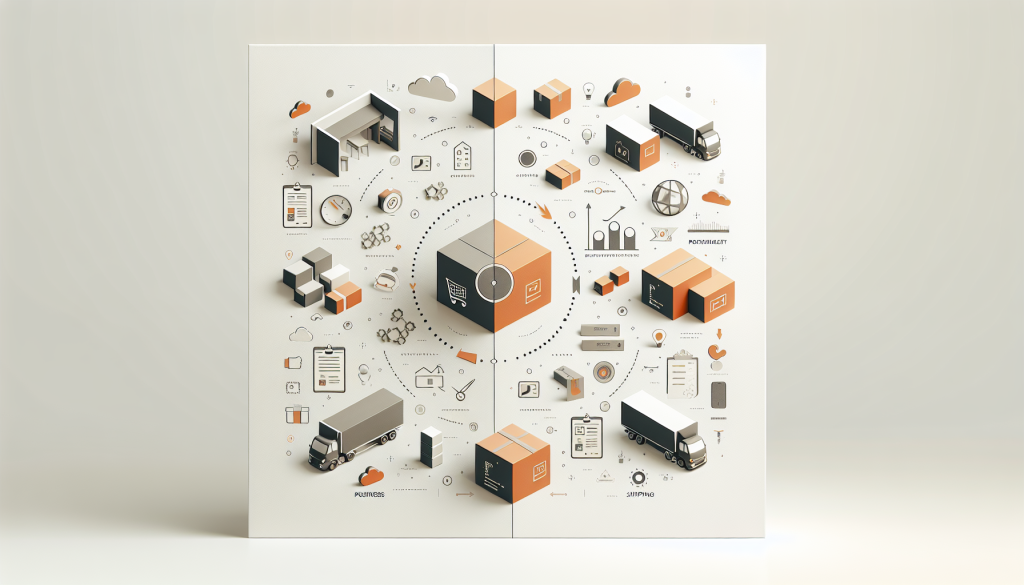
Understanding the differences between Amazon Business and Wholesale FBA is essential to choosing the right approach for your goals. Both models operate within Amazon’s wholesale ecosystem, but their focus, requirements, and advantages vary. The comparison below highlights the key areas you need to consider when deciding whether to buy wholesale for your business or to resell for profit.
Main Goal
- Amazon Business: Your main goal is to save money on supplies while managing your organization’s procurement efficiently. You focus on bulk sourcing for your office, school, or company and take advantage of quantity discounts and tax-exempt purchasing.
- Wholesale FBA: Your main goal is to make a profit from reselling. You source products from authorized distributors, piggyback on high-traffic ASINs, and sell to Amazon customers, scaling your business through inventory management and strategic sourcing.
Entry Barrier
- Amazon Business: Very low. You only need a business account and a verified EIN to start sourcing products at wholesale rates. There is no minimum capital requirement, making it accessible for businesses of all sizes.
- Wholesale FBA: Higher. You typically need $2,000–$5,000 in initial capital to purchase inventory, pay for FBA fees, and manage compliance documentation. You also need to establish relationships with authorized distributors to access brands.
Pricing
- Amazon Business: Pricing is automated through quantity discounts. The more units you buy, the larger the discount you receive. This system makes bulk sourcing predictable and cost-effective.
- Wholesale FBA: Pricing is negotiated with suppliers. You can often secure lower rates by ordering larger quantities or establishing long-term relationships, allowing you to maximize profit margins when reselling.
Documentation
- Amazon Business: You need a tax-exempt certificate or resale certificate to access tax-free purchasing. This ensures your organization does not pay unnecessary sales tax.
- Wholesale FBA: You need a resale permit, brand invoices, and sometimes a Letter of Authorization (LOA). These documents verify that your sourcing is legitimate, allow you to ungate certain brands, and protect your account from compliance issues.
Key Advantage
- Amazon Business: The main advantage is streamlined procurement and cost savings. You can consolidate vendors, manage large orders efficiently, and ensure your organization is stocked without overspending.
- Wholesale FBA: The main advantage is profit potential and existing demand. By using Amazon’s marketplace and targeting high-traffic ASINs, you can quickly generate sales and scale your business while taking advantage of wholesale pricing.
By understanding these differences, you can determine which model aligns with your goals. Whether you want to reduce costs for your business through B2B procurement or build a profitable reselling operation with proper sourcing and compliance, knowing the requirements, pricing strategies, and documentation needs will help you succeed in 2026’s Amazon wholesale ecosystem.
2026 Strategies for Smart Wholesale Buying
Wholesale on Amazon
B2B Ad Placements: Targeting Professional Buyers
Amazon now provides B2B-specific advertising placements that allow you to reach professional buyers such as office managers, school administrators, and business owners. Instead of competing for retail shoppers looking for a single unit, you can place your products in front of buyers who need hundreds of units at once. This strategy increases your chances of landing large orders and building long-term business relationships. By targeting these high-volume buyers, you maximize your return on investment and reduce competition, making your wholesale FBA business more profitable.
Compliance Tips: Protect Your Account and Inventory
Compliance is critical when buying and Selling wholesale on Amazon. To avoid issues like intellectual property (IP) complaints, always source from authorized distributors and obtain necessary documents such as Letters of Authorization (LOA) and brand invoices. Follow Minimum Advertised Price (MAP) policies to prevent violations that could suspend your account. Regularly verify invoices and product authenticity to maintain trust with Amazon and your buyers. Staying compliant not only protects your account but also strengthens your reputation as a legitimate reseller in the marketplace.
Scale Your Sourcing: Negotiate and Replenish Stock
Once you have a reliable supply chain, the next step is scaling your sourcing efficiently. Negotiate with suppliers to secure better rates for larger orders, and consider forming long-term partnerships to ensure consistent inventory. Use historical sales data to anticipate demand and replenish stock before it runs out. This prevents lost sales, keeps your listings active, and builds credibility with buyers. By managing your sourcing and inventory strategically, you can grow your wholesale FBA business steadily while maintaining healthy profit margins.
By combining B2B ad placements, strong compliance practices, and strategic inventory scaling, you position your Amazon wholesale business for long-term success. These strategies allow you to target the right buyers, protect your account, and grow your revenue efficiently in 2026’s competitive marketplace.
FAQs
Can you buy wholesale on Amazon without a business license?
To access most wholesale features on Amazon, including Amazon Business pricing and tax exemptions, you need a valid business license or a verified Employer Identification Number (EIN). While some products may allow purchases without a business account, you will not qualify for bulk pricing, quantity discounts, or tax-exempt benefits. If your goal is cost savings through B2B procurement, having a business license is essential.
What is the minimum order for Amazon Business wholesale?
Amazon Business offers flexible purchasing options. Many items provide quantity discounts starting from as low as 2 units, while larger discounts may apply for 5, 10, or 20 units. For very large orders, typically over 999 units or $10,000, you can use the Request for Quote (RFQ) tool to get custom pricing. This makes Amazon Business suitable for both small and large organizations looking for bulk sourcing solutions.
How do you get ungated for a brand on Amazon FBA?
To sell certain brands on Amazon, you must be “ungated,” which means you are approved to sell that brand. To get ungated, you usually need:
- Invoices from authorized distributors show a minimum purchase, often around 10 units.
- A Letter of Authorization (LOA) from the brand is required.
- A verified Amazon seller account in good standing.
Following these steps helps authenticate your sourcing and ensures you comply with Amazon’s anti-counterfeit policies.
Can tax-exempt businesses use Amazon Business globally?
Amazon Business supports tax-exempt purchasing in many countries, but rules vary by region. You need to upload the appropriate resale certificate or tax-exempt permit for your location. This allows you to avoid sales tax on eligible items, making bulk sourcing more affordable. Always check local regulations to ensure compliance when buying internationally.
What is the difference between RFQ and quantity discounts?
- Quantity Discounts: These are pre-set reductions based on the number of units you buy. For example, buying 5 units might give you 5% off, while 20 units could give you 10% off. These discounts are automatic and easy to apply.
- Request for Quote (RFQ): This is used for very large orders or custom requests. You submit a detailed order request, and multiple sellers compete to provide the best price. RFQ allows you to negotiate bulk pricing that is not listed publicly, making it ideal for high-volume procurement.
Conclusion
Now you know how to answer can you buy wholesale on Amazon in 2026, whether for your business or resale. Understanding Amazon’s dual paths—procurement through Amazon Business and reselling through Wholesale FBA—is the first step to making smart, profitable decisions. Each path has its own purpose, requirements, and strategies, and knowing the differences helps you avoid mistakes, stay compliant, and maximize your results.
If your focus is procurement, Amazon Business allows you to save on bulk orders, take advantage of quantity discounts, and benefit from tax-exempt purchasing. This path is ideal if you are an office manager, school administrator, or business owner who needs products for your organization efficiently and cost-effectively.
If your goal is reselling, Wholesale FBA provides a way to leverage Amazon’s marketplace, piggyback on high-traffic ASINs, and scale your business with proper sourcing from authorized distributors. By following compliance rules, obtaining LOAs, and maintaining invoices, you protect your account and create a foundation for long-term profit.
Understanding these processes ensures smarter sourcing, better inventory management, and full compliance with Amazon’s policies. You can confidently plan your purchases, negotiate with suppliers, and scale your operations, whether you are buying to save or buying to sell.
To get started, consider creating an Amazon Business account to access B2B features or explore trusted wholesale directories like SaleHoo and Inventory Source. These resources can help you identify legitimate suppliers, find competitive pricing, and start sourcing efficiently, putting you in the best position to succeed in 2026’s Amazon wholesale ecosystem.
More wholesale article previews
Use these related guides to compare brands, categories, and supplier options before making your next wholesale order.
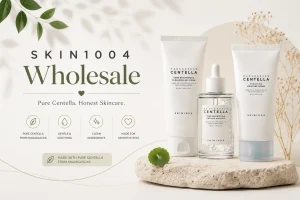 SKIN1004 Wholesale Distributor | Bulk Skincare Distribution Looking for SKIN1004 wholesale products can be a smart move for retailers, online sellers, beauty stores, and resellers… Read guide →
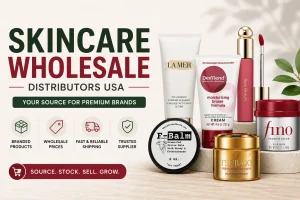 Skincare Wholesale Distributors USA: A Practical Sourcing Guide for Retailers For retailers looking for reliable skincare wholesale distributors USA, Shopye Deals Distribution provides a practical B2B sourcing option… Read guide →
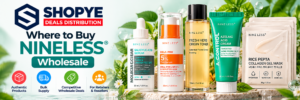 Where to Buy NINELESS Wholesale: Sourcing Guide for Resellers If you are deciding where to buy nineless wholesale, start with a plain thesis. Buy a focused serum… Read guide →
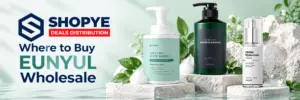 Where to Buy EUNYUL Wholesale: Sourcing Guide for Resellers If you are asking where to buy eunyul wholesale, you are asking a practical sourcing question, not a… Read guide →
 Where to Buy NACIFIC Wholesale: Sourcing Guide for Resellers If you are deciding where to buy NACIFIC wholesale, start with the question that matters most: can you… Read guide →
 Where to Buy Dr.Althea Wholesale: Sourcing Guide for Resellers The Sourcing Thesis Resellers who ask where to buy Dr.Althea wholesale are usually asking a simpler question underneath… Read guide →