Quick buyer overview
This long-form guide is now organized for faster scanning. Jump to the section you need, search other Shopye articles, or continue reading the full wholesale breakdown.
- Compare MOQ, pricing, and supplier reliability before ordering.
- Use the section index to jump straight to price, supplier, or FAQ details.
- Search more wholesale guides without leaving the article page.
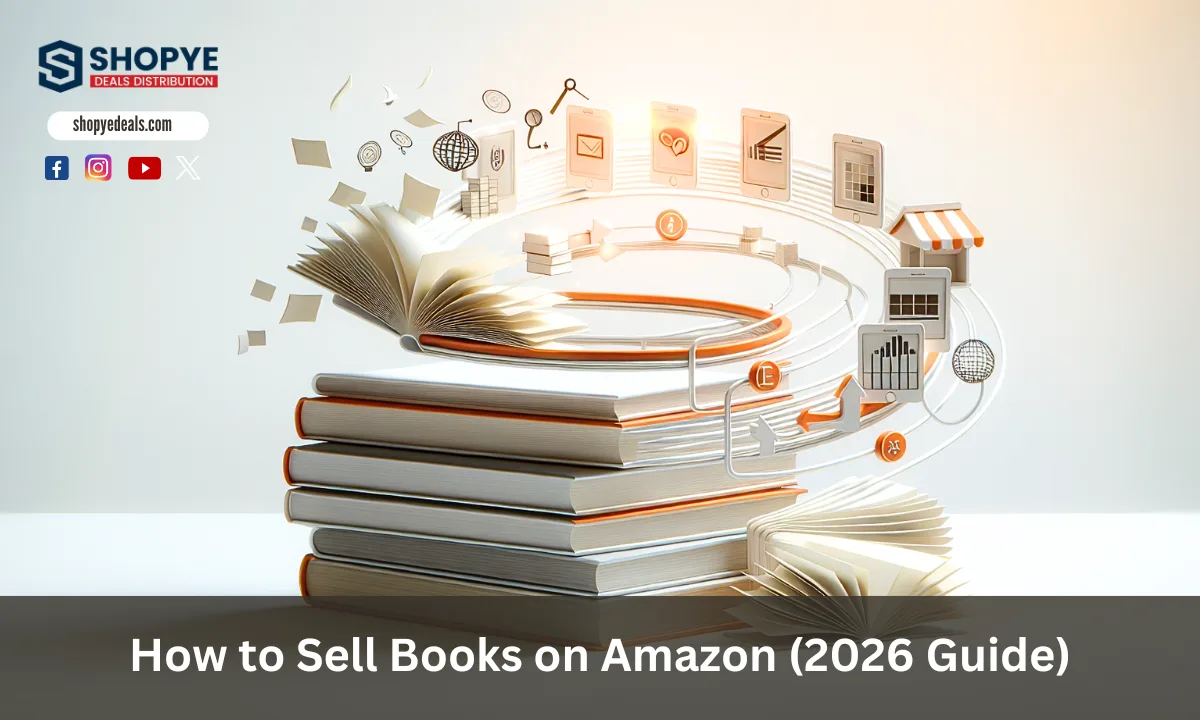
Selling books on Amazon in 2026 remains one of the easiest and most profitable ways for new e-commerce entrepreneurs to start their online business. Even though the market has grown more competitive, the Books category still offers stability and opportunities for sellers who know how to work smart. With the rise of AI-driven search tools like Amazon Rufus, the way customers discover books has changed, making it more important than ever to create accurate, well-optimized listings.
At the same time, Amazon has removed its in-house prep services for small-scale sellers, which means you need to handle labeling, packaging, and shipping more efficiently. These changes might sound challenging, but they also give you more control over your workflow and profit margins.
In this guide, you will learn exactly how to sell books on Amazon in 2026, step by step. From sourcing the right books using scanning apps and spotting hidden gems, to grading and listing them with clear, AI-friendly descriptions, and choosing the right fulfillment method, this blog covers everything you need to succeed. By the end, you will have a clear roadmap to run a professional and profitable book-selling business on Amazon.
Why Selling Books on Amazon is Profitable in 2026

The media category, which includes books, DVDs, and music, continues to be a stable and reliable segment for online sellers in 2026. You can find the best Amazon FBA wholesalers on Shopyedeals and make a good profit by reselling. Unlike many product categories that face rapid trends or seasonal swings, media items have consistent demand. People are always looking for educational books, timeless DVDs, classic music albums, and rare collectibles. This stability means that when you learn how to sell books on Amazon effectively, you can build a steady stream of income without constantly chasing new trends.
One of the smartest ways to maximize profits in the media category is through niche specialization. Instead of competing with big-box retailers on popular fiction or mass-market DVDs, you can focus on non-fiction sub-niches, technical manuals, textbooks, or local history books. Collectibles, signed editions, and rare items also offer higher margins because they appeal to collectors who are willing to pay more for unique products. By focusing on these niches, you position yourself as an expert seller in a space where competition is lower, making it easier to generate sales consistently.
When evaluating potential profits, it is important to consider Amazon’s fees alongside the selling price. Referral fees, closing fees, and fulfillment costs all affect your net profit, so sourcing the right items is critical. Using tools and strategies to auto-find profitable books helps you quickly identify high-margin opportunities. With the right approach, you can buy books at thrift stores, library sales, or estate sales and sell them for a significant profit, ensuring your time and investment deliver strong returns.
By understanding the stability of the media category and combining it with niche specialization, you can create a sustainable, profitable business model that grows over time, while minimizing the risks often associated with other e-commerce categories.
Step 1: Sourcing – Finding the Hidden Gems
The first step in learning how to sell books on Amazon by sourcing is to find the right inventory. In 2026, successful sellers use a combination of traditional and modern strategies to discover valuable books. Library discard sales, thrift stores, estate sales, and bulk lots are excellent sources for finding hidden gems at low prices. Library discard sales often offer high-quality books that libraries no longer need, while thrift stores can have rare or collectible items if you look carefully. Estate sales are perfect for uncovering complete collections, first editions, or signed copies, and bulk lots let you purchase many books at once, giving you a chance to find profitable items among them.
To make your sourcing process faster and more accurate, you can use scanning apps like ScoutIQ or Scoutly. These apps allow you to scan the ISBN barcode on any book and instantly check its current sales rank, pricing, and demand. This helps you avoid wasted purchases and focus on books that sell well. Understanding the Best Seller Rank, or BSR, is key here. In the Books category, a BSR under 1,000,000 is generally a “buy,” while a BSR under 100,000 indicates a fast-moving item.
One common mistake to avoid is the “Penny Book” trap. Books that sell for only $0.01 plus shipping might seem cheap, but after Amazon’s referral fee and closing costs, you could end up losing money. Using scanning apps helps you quickly identify which books are worth buying and which are not, allowing you to auto-find profitable inventory efficiently.
By combining these sourcing strategies with modern scanning tools, you can build a strong, high-margin inventory. This approach makes your workflow smarter, saves time, and ensures that every book you purchase has real potential to sell, helping you succeed in selling books on Amazon FBA effectively.
Step 2: Grading – The Honesty Moat
Accurate condition grading is one of the most important steps in learning how to selling used books on Amazon. When you describe a book’s condition correctly, you protect yourself from negative feedback, returns, and complaints. Amazon buyers rely heavily on condition descriptions, and in 2026, AI-driven search and listing summaries often highlight your notes. Over-grading a book, such as labeling a “Good” book as “Like New,” can damage your reputation and hurt your visibility in search results.
To grade books properly, you need to understand the standard condition categories. A book labeled New should be untouched, with no damage, markings, or shelf wear. Used – Like New indicates a book that looks nearly perfect but has been read. Used – Very Good shows minor wear but no significant damage. Used – Good is for books with clear signs of use, such as small creases or light wear, while Used – Acceptable applies to books with more obvious damage, notes, or markings that do not prevent reading.
When writing condition notes for your listings, specificity matters. Instead of generic phrases like “Great condition,” use detailed descriptions such as “Minor shelf wear, no highlighting, clean spine.” This not only helps buyers feel confident but also improves your listing’s performance in AI-curated search results.
For collectibles, such as signed editions, rare books, or first editions, accurate grading is even more critical. These items allow you to set higher prices, but buyers expect precise descriptions and clear photos. Labeling them as “Collectible” instead of just “Used” signals their unique value and ensures you can maximize profit while maintaining credibility.
In your workflow, focus on three key actions: scan, grade, and list. First, scan the ISBN to verify the book. Then, grade it honestly based on its condition and any collectible value. Finally, list it with clear, AI-friendly notes. By following this approach, you build trust with buyers, reduce returns, and increase your chances of higher sales, giving you a solid foundation for how to sell books on Amazon successfully.
Step 3: Listing & Compliance

In 2026, selling books on Amazon is not just about finding and grading them correctly. How you list your books plays a major role in your success. Amazon’s AI-driven search, powered by Rufus SEO, now determines which books appear to buyers first. Rufus SEO evaluates your listing based on keywords, relevance, and buyer engagement, while the Listing Quality Score measures how complete, accurate, and attractive your listing is. Semantic search allows Amazon to understand the meaning behind your words, so using precise, descriptive terms can make your books more discoverable.
Pricing is also critical, especially for new releases. MAP, or Minimum Advertised Price, ensures that you follow publisher rules and avoid penalties. Listing a book below the MAP can result in suppressed visibility or removal, so always check and price accordingly.
Here’s a step-by-step approach to listing your books by ISBN: first, scan the ISBN to identify the exact edition. Next, enter all required details, including title, author, publisher, and publication date. Add your accurate condition and detailed notes, keeping in mind AI-driven summaries. Upload clear images, especially for collectibles or rare editions. Finally, set the price according to MAP rules or your profit margin goals, and choose the right fulfillment method.
To make your listings AI-friendly, focus on using keywords naturally in the title, description, and bullet points. Include condition notes that highlight unique features, avoid vague phrases, and write for readability while maintaining a professional tone. Semantic keywords like “first edition,” “signed copy,” or “technical manual” help Amazon understand your inventory and match it to the right buyers. By optimizing your listings for Rufus SEO and AI-driven search, you increase visibility, attract more buyers, and maximize your profits while learning how to sell books on Amazon effectively.
Step 4: Fulfillment – FBA vs. FBM
When you sell books on Amazon, choosing the right fulfillment method is crucial for efficiency, customer satisfaction, and profitability. In 2026, your two main options are FBA (Fulfillment by Amazon) and FBM (Merchant Fulfilled), each with its advantages depending on your inventory and goals.
FBA is ideal for beginners and high-volume sellers. With FBA, you send your books in bulk to Amazon’s warehouses, and they handle storage, packaging, and Prime shipping. This saves you time and makes your listings more attractive to buyers who prefer fast shipping. However, in 2026, Amazon no longer provides in-house labeling for small-scale sellers, which means you must label and prep your books yourself or use a third-party logistics (3PL) provider. Despite this extra step, FBA allows you to focus on sourcing and listing while Amazon handles most of the fulfillment process.
FBM gives you more control over your inventory and is best suited for rare, oversized, or collectible books that may sit on shelves for months. With FBM, you store the books yourself and ship them directly to buyers as orders come in. This helps you avoid Amazon’s Aged Inventory Surcharges and manage special items carefully. FBM also allows you to use cost-effective shipping methods like Media Mail, which is perfect for books and other media items.
Logistics tips for both methods include optimizing your storage space, prepping books carefully to prevent damage, and keeping track of inventory to know when to replenish or liquidate slow-moving items. By planning, you can reduce shipping delays, improve customer experience, and maintain healthy profit margins.
Whether you choose FBA or FBM, focus on key actions: replenish your inventory regularly to avoid stockouts, liquidate items that are slow-moving or unprofitable, and ship efficiently to maintain a strong seller reputation. Understanding these options and logistics in 2026 allows you to run a more professional and profitable business while learning how to sell books on Amazon successfully.
Step 5: Profitability & Fees
When you sell books on Amazon in 2026, understanding the fees and choosing the right selling plan is essential to protect your profit margins. The main fees you will encounter include the referral fee, closing fee, and inbound placement fee. The referral fee is Amazon’s commission, usually around 15% of the sale price for media items like books, DVDs, and music. The closing fee is a flat charge, typically $1.80 per item, applied to all media sales. If you use FBA, you may also face an inbound placement fee, which is a cost for sending inventory to specific Amazon warehouses. Being aware of these fees helps you calculate your true profits before sourcing or listing a book.
Choosing the right selling plan is also important. If you sell fewer than 40 books per month, the Individual Plan, which charges $0.99 per item, may be sufficient. However, if you plan to scale your business, the Professional Plan at $39.99 per month unlocks advanced features like the Buy Box, detailed sales reports, and bulk listing tools, which can save you time and help you grow faster.
One of the best ways to improve your margins is through niche specialization. Instead of competing with high-volume sellers on popular fiction, focus on non-fiction subcategories, technical manuals, textbooks, or collectible books. These niches often have less competition and higher demand, allowing you to set better prices. Using scanning tools and strategies to auto-find high-margin books helps you identify profitable items quickly, ensuring that every purchase contributes to your bottom line.
By understanding Amazon’s fees, choosing the right selling plan, and focusing on profitable niches, you can make smarter sourcing decisions, protect your profits, and grow your business efficiently while learning how to sell books on Amazon in 2026.
Smart Strategy Tips for 2026
To succeed in selling books on Amazon in 2026, focusing on non-fiction sub-niches is one of the smartest strategies. Academic textbooks, technical manuals, and local history books often have higher margins and lower competition compared to mainstream fiction. Textbooks, for example, are in demand by students each semester, and rare technical manuals or repair guides appeal to professionals or hobbyists willing to pay a premium. Local history books or small-print publications are often overlooked by large retailers, which gives you a chance to capture a loyal and niche audience.
Avoid competing with big-box sellers on popular fiction or mass-market titles. These books are heavily stocked by large sellers, which drives prices down and reduces your chances of making a meaningful profit. Instead, by focusing on non-fiction and collectible subcategories, you position yourself in areas where you can set higher prices, sell consistently, and grow a reputation as a specialized seller.
Modern tools make finding these high-margin books faster and easier. AI-driven scanning apps like ScoutIQ or Scoutly allow you to quickly scan ISBNs and evaluate demand, pricing, and sales rank in real time. Using these tools, you can auto-find profitable books without spending hours manually checking each title. By combining niche specialization with scanning technology, you can identify hidden gems, make smarter sourcing decisions, and maximize your profits while building a sustainable business.
With the right approach, focusing on non-fiction sub-niches and leveraging AI tools ensures that every book you purchase has real potential to sell, giving you a strong edge in how to sell books on Amazon efficiently and profitably.
Conclusion
When you are learning how to sell books on Amazon in 2026, following a clear and organized workflow is essential for consistent results. The process begins with sourcing, where you find books that have real sales potential using library discard sales, thrift stores, estate sales, and bulk lots. Modern scanning apps let you auto-find profitable inventory quickly, saving time and ensuring every purchase is worth the investment.
Next comes grading. Accurate condition grading protects your reputation and reduces returns. By labeling books honestly as New, Like New, Very Good, Good, or Acceptable, and providing detailed condition notes, you maintain trust with buyers and improve visibility in AI-driven listings. Collectibles and rare editions should be handled carefully and listed as unique items to maximize value.
Once graded, listing your books properly ensures they are visible to buyers. Use Rufus SEO, semantic search-friendly keywords, and clear condition descriptions to optimize your listing. Always check MAP pricing for new releases to comply with publisher rules and maintain credibility. Proper listing increases your chances of being discovered by customers who are searching for exactly what you offer.
The next step is fulfillment, where you decide between FBA or FBM. FBA allows you to ship in bulk and leverage Amazon’s Prime network, while FBM is ideal for rare or oversized items that require careful handling. Logistics tips such as using Media Mail, optimizing storage, and keeping track of inventory help you replenish, ship, and liquidate efficiently.
Finally, you focus on profit. By understanding fees, choosing the right selling plan, and targeting high-margin niches like non-fiction, technical manuals, or local history, you can maximize your returns. Accuracy, niche specialization, and modern AI tools are your keys to running a professional and profitable book-selling business.
Now is the time to take action. By following this structured workflow and using automated tools to streamline sourcing and listing, you can confidently grow your business while learning how to sell books on Amazon in 2026 successfully and sustainably.
FAQs
How do I auto-find profitable books to sell on Amazon?
To auto-find profitable books, you need the right combination of tools and strategies. Scanning apps like ScoutIQ or Scoutly let you quickly scan ISBN barcodes and check the book’s current sales rank, pricing, and historical sales data. By analyzing this information, you can immediately see which books are high-margin and fast-selling. AI-driven tools can also suggest profitable titles based on trends and demand, helping you focus on inventory that will generate real profit. Using these tools consistently saves time and ensures that every book you source is worth your investment.
Do I need a business license to sell books on Amazon?
Whether you need a business license depends on where you live and how much you plan to sell. In many regions, casual sellers with low monthly sales may not need a license, but if you are scaling your business or using a Professional Selling Plan, registering your business is recommended. Having a license not only keeps you compliant with local laws but also allows you to access tax benefits and operate professionally. It is always best to check your local regulations before you start selling.
Which scanning apps are best for sourcing books?
The best scanning apps in 2026 are designed to give you real-time data on book profitability. ScoutIQ and Scoutly are popular options because they scan ISBNs and provide detailed information, including Best Seller Rank, current pricing, and historical sales trends. These apps also help you identify niche books with high profit potential, so you can auto-find high-margin inventory without spending hours manually researching each title. The right app streamlines your sourcing process and increases your chances of success.
Should I use FBA or FBM for rare books?
For rare or collectible books, FBM (Merchant Fulfilled) is often the better choice. Keeping the books in your own inventory allows you to handle them carefully and avoid the risk of damage or long-term storage fees.
You can also choose cost-effective shipping methods like Media Mail and control exactly how the books are packaged. FBA (Fulfillment by Amazon) is useful for common or fast-moving books because Amazon handles storage, shipping, and customer service. However, for rare or high-value items, maintaining control with FBM ensures the best condition for buyers and protects your reputation.
More wholesale article previews
Use these related guides to compare brands, categories, and supplier options before making your next wholesale order.
 Outdoor Cap Wholesale: A Complete Guide to Buying Wholesale Outdoor Caps The demand for outdoor cap wholesale products continues to make caps an attractive category for retailers, sports stores,… Read guide →
 Where to Buy Anker Wholesale: Sourcing Guide for Electronics and Mobile Resellers Every device a customer owns is a charging problem waiting to happen, and Anker built its name on… Read guide →
 Where to Buy Owala Wholesale: Sourcing Guide for Sporting Goods and Gift Resellers The reusable water bottle went from commodity to cultural object in under a decade, and Owala rode that… Read guide →
 Where to Buy SadoTech Wholesale: Sourcing Guide for Home Improvement Resellers The wireless doorbell is the rare home product that sells itself in one sentence: no wiring, installs in… Read guide →
 Where to Buy Sennheiser Wholesale: Sourcing Guide for Music and AV Resellers Pro audio is a category where the name on the microphone decides the sale before the customer hears… Read guide →
 Where to Buy CLIF Bar Wholesale: Sourcing Guide for Grocery and Outdoor Resellers Energy bars are the rare grocery category that sells in the checkout lane, the gym bag, the trailhead,… Read guide →