Quick buyer overview
This long-form guide is now organized for faster scanning. Jump to the section you need, search other Shopye articles, or continue reading the full wholesale breakdown.
- Compare MOQ, pricing, and supplier reliability before ordering.
- Use the section index to jump straight to price, supplier, or FAQ details.
- Search more wholesale guides without leaving the article page.
If you’re wondering what Amazon Wholesale is and how it works in 2026, this guide will explain step by step. Amazon Wholesale has become one of the most attractive business models for online sellers because it combines low risk with high scalability. Unlike starting a private label or creating a new brand from scratch, with Amazon Wholesale, you are leveraging the existing demand for well-known brands that customers already trust. This means you don’t need to spend large amounts on marketing or brand building to convince people to buy your products.
The core idea behind Amazon Wholesale is simple: you purchase branded products in bulk directly from manufacturers or authorized distributors and resell them on Amazon listings that already have high search traffic. By attaching your offer to an established product page, you take advantage of the trust, reviews, and search volume the brand already has. This makes it much easier to start selling quickly and achieve consistent sales.
In 2026, you will also have access to advanced tools and strategies that make sourcing and selling much more efficient. Tools like Jungle Scout, Helium 10, and other research platforms allow you to auto-find top-selling products, analyze competition, and monitor sales trends without guessing. These tools help you identify products that are already in high demand, ensuring that your investment is backed by real market data.
By following this guide, you will understand how Amazon Wholesale works, how to source the right products from Amazon wholesale suppliers, and how to scale your business efficiently. You will learn how to take advantage of proven demand while avoiding common mistakes that beginners often make. This approach turns your Amazon business into a logistics and relationships-focused operation that is easier to manage and grow over time.
Understanding Amazon Wholesale
Amazon Wholesale is a business model where you buy branded products in bulk directly from manufacturers or authorized distributors and resell them on Amazon listings that already exist. Instead of creating your own product or brand, you are taking advantage of the demand that is already proven. This means customers are searching for these products every day, and your job is to connect the supply with that demand efficiently. In simple terms, Amazon Wholesale is about B2B reselling, managing relationships with suppliers, and using logistics to move products quickly and profitably.
It is important to understand how Amazon Wholesale differs from other popular Amazon business models. With Private Label, you create your own brand and product, which requires investment in design, marketing, and building trust from scratch. Retail Arbitrage involves buying discounted products from retail stores and reselling them online, which can be unpredictable and time-consuming. Dropshipping, on the other hand, does not require inventory, but you rely entirely on suppliers to ship products directly to your customers, which can affect quality control and delivery speed. Amazon Wholesale sits in the middle—it allows you to sell established products without building a new brand while maintaining control over inventory and fulfillment.
Many beginners choose Amazon Wholesale because it offers several advantages. First, you are selling products with proven demand, so you reduce the risk of slow sales or products that do not sell. Second, it is highly scalable; once you establish relationships with suppliers and optimize your listings, you can easily reorder and expand your inventory. Third, your marketing spend is minimal compared to Private Label businesses because you are leveraging the existing trust and reviews of well-known brands.
Key concepts in Amazon Wholesale include bulk procurement, where you purchase large quantities of products to reduce your cost per unit, and FBA (Fulfillment by Amazon), which allows Amazon to store, pack, and ship your products to customers. You also work with authorized distribution channels to ensure that your supply chain is legitimate and compliant with brand requirements. By understanding these terms and how the model works, you set a strong foundation for building a successful Amazon Wholesale business in 2026.
How the Amazon Wholesale Model Works in 2026

Sourcing Existing Demand
One of the most powerful aspects of Amazon Wholesale is that you don’t need to convince people to buy your products. The demand is already there for well-known brands, and your job is to tap into it efficiently. You start by sourcing existing demand using research tools like Jungle Scout or Helium 10. These platforms allow you to auto-find high-selling products by analyzing sales data, search trends, and competition. You can quickly identify which products are moving thousands of units per month, giving you a clear picture of what is profitable.
Instead of creating a new listing, you attach your offer to an existing ASIN. This means your product appears on a listing that already has reviews, ratings, and search visibility. By doing this, you save time, reduce marketing costs, and immediately connect with customers who are actively searching for that product. Your focus is on sourcing, logistics, and pricing rather than building brand awareness from scratch.
Winning the Buy Box
The Buy Box is a critical component of Amazon sales. It is the box on a product page where customers click “Add to Cart.” When multiple sellers offer the same product, Amazon uses an algorithm to decide who gets the Buy Box. Winning it can make the difference between high sales and slow movement.
To increase your chances of winning the Buy Box, you should use FBA (Fulfillment by Amazon), which ensures your products are eligible for Prime shipping. You should also keep your pricing competitive, often with the help of AI repricing tools that adjust your prices automatically based on market conditions. Maintaining a high seller rating is equally important, as Amazon favors sellers who have strong customer feedback and reliable service. By mastering these factors, you can capture more sales without spending heavily on advertising.
Building Moats Through Relationships
In 2026, successful Amazon approved wholesalers uk focus on building strong relationships with brands rather than relying solely on large distributors. By working directly with a brand, you can negotiate exclusive reseller agreements, secure better pricing, and ensure MAP (Minimum Advertised Price) compliance. These agreements act as a protective moat, giving you an edge over competitors and helping maintain healthy profit margins.
Strong supplier relationships also allow you to plan inventory more effectively, access priority stock, and avoid situations where other sellers drive prices down. When you cultivate trust with your suppliers and manage your agreements carefully, you create a business that is not just transactional but sustainable. This approach reduces competition, strengthens your position on Amazon, and increases your net margin, giving you more control over your business growth.
By mastering sourcing, winning the Buy Box, and building relationships, you position yourself for long-term success in Amazon Wholesale. This is not just about selling products—it is about combining strategy, logistics, and partnerships to scale your business efficiently.
Key Financial and Operational Concepts
When you start with Amazon Wholesale FBA, understanding the financial terms and operational metrics is crucial for running a profitable business. Four terms you must know are MOQ, MAP, ROI, and net margin.
MOQ (Minimum Order Quantity) refers to the smallest number of units a supplier will allow you to purchase in a single order. For example, if a supplier sets an MOQ of 100 units for a product, you must buy at least 100 to place your order. Knowing the MOQ helps you plan your budget, manage storage, and avoid overstocking.
MAP (Minimum Advertised Price) is the lowest price a brand allows any seller to advertise their product. If you sell below this price, you may violate agreements with the brand. MAP is important because it helps maintain healthy profit margins and prevents a “race to the bottom” where sellers compete solely on price.
ROI (Return on Investment) measures how much profit you make compared to the money you invested in buying your inventory. A simple way to calculate ROI is:
ROI = (Net Profit ÷ Total Investment) × 100
This tells you the percentage of return you earn on your investment and helps you compare which products are most profitable.
Net Margin is the percentage of revenue left after subtracting all costs, including the cost of goods, Amazon FBA fees, shipping, and other expenses. For example, if you sell a product for $50, and your total costs are $35, your net margin is 30%. This shows how much profit you keep per sale.
To calculate profit after Amazon FBA fees, you consider several components: the cost of the product, FBA fulfillment fees, storage fees, and any shipping costs. Many beginners use FBA calculators provided by Amazon or third-party tools to simplify this calculation. This ensures you know exactly how much profit each sale generates and helps you make better buying decisions.
Automation tools can also help you manage pricing and inventory efficiently. Software like AI repricers can adjust your product prices automatically to stay competitive in the Buy Box while maintaining MAP compliance. Inventory management tools allow you to auto-find the right replenishment schedule so you never run out of stock or overorder. Using these tools saves time, reduces errors, and ensures your Amazon Wholesale business runs smoothly while keeping profits high.
By understanding MOQ, MAP, ROI, net margin, and using automation tools, you can make smarter decisions, optimize your pricing, and scale your business without unnecessary risk.
Comparing Amazon Wholesale with Other Models
Understanding how Amazon Wholesale compares with other Amazon business models will help you decide which path is best for your goals. Each model has its own advantages and challenges, so knowing the differences in startup capital, risk, marketing spend, scalability, and complexity is important.
Wholesale vs Private Label vs Retail Arbitrage vs Dropshipping
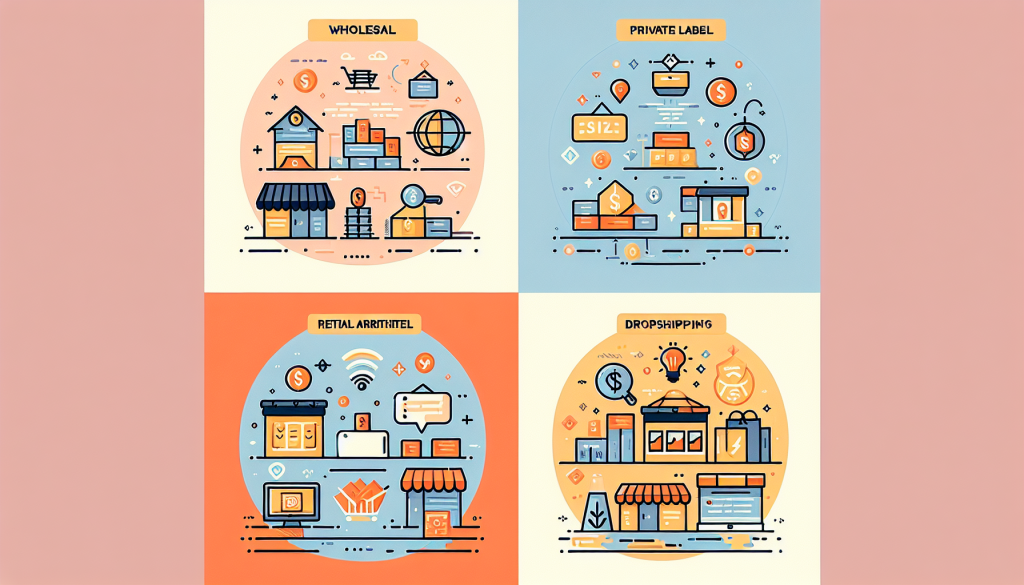
Startup Capital
- Wholesale requires moderate capital, usually between $2,000 and $5,000, depending on the products you choose and the MOQ set by suppliers.
- Private Label often needs a higher investment, typically $5,000 to $15,000 or more, because you pay for product design, branding, packaging, and marketing campaigns.
- Retail Arbitrage has low startup costs, sometimes as little as $100 to $500, since you buy discounted retail products to resell online.
- Dropshipping can start with almost no upfront inventory costs, but you may still need some budget for store setup and marketing.
Risk Level
- Wholesale is considered low risk because you sell products with proven demand and established brands.
- Private Label carries a higher risk since your product is new, and you must convince customers to buy it.
- Retail Arbitrage has moderate risk, including potential intellectual property issues or unpredictable supply.
- Dropshipping has a moderate risk, as you rely on suppliers for product quality and delivery speed, which can affect customer satisfaction.
Marketing Spend
- Wholesale requires minimal marketing since you attach your offer to existing listings and leverage brand trust.
- Private Label demands high marketing investment, including Amazon PPC, social media ads, and influencer campaigns to drive traffic to your new product.
- Retail Arbitrage requires almost no marketing because customers are buying already popular products.
- Dropshipping may require moderate marketing to attract buyers, depending on the niche and platform.
Scalability
- Wholesale is highly scalable because once you secure reliable suppliers, you can reorder products easily and expand to multiple listings.
- Private Label can also be very scalable, but it requires careful management of inventory, branding, and advertising as your business grows.
- Retail Arbitrage has low scalability since you must manually hunt for discounted products, and it’s limited by local retail supply.
- Dropshipping can scale moderately, but growth is often limited by supplier reliability and shipping times.
Complexity
- Wholesale focuses on supply chain and administrative tasks such as managing orders, invoices, and compliance with supplier agreements.
- Private Label is complex because you must handle product design, branding, packaging, and marketing.
- Retail Arbitrage is a simpler operationally but requires constant effort to find products and track pricing.
- Dropshipping has lower operational complexity since inventory and fulfillment are handled by suppliers, but it requires strong customer service and quality control oversight.
By comparing these key factors, you can see why many beginners choose Amazon Wholesale in 2026. It offers a balanced approach with proven demand, moderate startup costs, minimal marketing spend, and a scalable model that focuses on operational efficiency rather than brand creation or manual product hunting. This makes it an ideal starting point for building a sustainable e-commerce business.
Pro Tips for Beginners in 2026
One of the biggest challenges beginners face in Amazon Wholesale is getting “gated” by big brands. Being gated means you are restricted from selling certain products unless you prove that your supply chain is legitimate. In 2026, a simple and effective method to overcome this is the ungating shortcut. You can buy a small quantity, such as 10 units, from a verified wholesaler and submit the invoice to Amazon. This demonstrates that your source is legitimate and meets brand requirements. Once approved, you gain access to sell that brand on Amazon, opening up new opportunities without unnecessary delays.
Best Practices for Sourcing, Scaling, and Maintaining Relationships
Sourcing is the foundation of your Amazon Wholesale business. Focus on finding reliable suppliers who provide authorized distribution and consistent inventory. Use tools to auto-find high-demand products, analyze competition, and track sales velocity. Reorder products before stock runs out to maintain availability and avoid losing the Buy Box.
Scaling your business requires planning. Start with a manageable number of products and gradually increase your orders as you build trust with suppliers and understand the sales trends. Automate pricing and replenishment using AI tools to stay competitive and avoid stockouts.
Maintaining strong relationships with suppliers is essential for long-term success. Negotiate for better pricing as your order volume grows, follow MAP guidelines, and communicate clearly to avoid misunderstandings. Suppliers often give priority stock or early access to new products to sellers they trust, giving you a competitive advantage.
Networking through Trade Shows and Wholesale Directories
Attending trade shows and exploring wholesale directories are excellent ways to meet suppliers in person, discover new brands, and build relationships directly. Trade shows provide hands-on opportunities to see products, ask questions, and establish exclusive reseller agreements. Wholesale directories give you access to verified suppliers, making it easier to auto-find legitimate sources and expand your inventory. By combining these strategies with careful sourcing and relationship management, you create a strong foundation for a sustainable and profitable Amazon Wholesale business in 2026.
These pro tips focus on practical actions that reduce risk, improve efficiency, and help you scale your business while maintaining strong supplier relationships. By following them, you position yourself for consistent sales and long-term growth.
Step-by-Step Action Plan for Beginners
The first step in building your Amazon Wholesale business is identifying products that are already in high demand. You don’t have to guess which products will sell; instead, you can auto-find profitable products using research tools like Jungle Scout, Helium 10, or Viral Launch. These platforms analyze sales data, search volume, competition, and pricing trends, helping you focus on products that have proven demand. Look for products with consistent monthly sales, stable pricing, and a competitive Buy Box, as these indicate strong market potential.
Finding and Contacting Suppliers
Once you know which products to sell, your next step is finding reliable suppliers. Start by searching for authorized distributors or using verified wholesale directories. Trade shows can also be an excellent opportunity to meet suppliers in person and negotiate agreements directly. When contacting suppliers, be professional and clear about your goals. Request pricing, MOQ, shipping terms, and any requirements for brand compliance. Building trust with suppliers early on is essential, as strong relationships often lead to better pricing, priority stock, and exclusive opportunities.
Setting up Seller Central and FBA
After securing your suppliers, you need to set up your Amazon account. Seller Central is the hub for managing listings, tracking orders, and analyzing sales. Once your account is ready, enroll your products in FBA (Fulfillment by Amazon). FBA allows Amazon to handle storage, packing, and shipping, making your products Prime-eligible and improving your chances of winning the Buy Box. Using FBA also reduces operational complexity, letting you focus on sourcing, pricing, and scaling your business efficiently.
Replenishment and Scaling Strategies
Managing inventory effectively is key to maintaining sales and profitability. Track your product performance regularly and plan replenishment orders before stock runs out. Automation tools can help you monitor inventory levels, forecast demand, and even suggest optimal reorder quantities. As your business grows, scale gradually by adding new products, expanding relationships with suppliers, and increasing order volumes. Focus on maintaining high-quality service and consistent availability to capture more sales and strengthen your position in the market.
By following these steps—auto-finding products, connecting with suppliers, setting up Seller Central and FBA, and implementing smart replenishment and scaling strategies—you can build a structured, efficient, and profitable Amazon Wholesale business in 2026. This approach ensures you maximize revenue while reducing risk and operational stress.
Common Mistakes to Avoid
When starting your Amazon Wholesale business, several common mistakes can limit your success or even cause losses. Understanding these pitfalls early will help you make smarter decisions and maintain steady growth.
Overordering or Violating MAP Agreements
Buying too much inventory at once, or overordering, is a mistake many beginners make. While it may seem like a good idea to stock up, it ties up your capital and increases storage costs, especially if products do not sell as quickly as expected. On the other hand, violating MAP (Minimum Advertised Price) agreements can harm your business relationships and lead to account warnings or restrictions from brands. Always check the MAP policy for each product and purchase only what you can sell reasonably. Smart ordering based on demand data ensures healthy cash flow and sustainable growth.
Failing to Monitor Buy Box Performance
The Buy Box is where most sales happen on Amazon, and failing to monitor your performance there can cost you significant revenue. Even if you have the right products and competitive pricing, your Buy Box eligibility can be affected by inventory levels, seller ratings, or pricing strategies. Regularly check your Buy Box performance, adjust pricing with AI repricers if needed, and maintain excellent customer service. By actively managing this, you can increase your chances of capturing more sales consistently.
Ignoring Supplier Relationships or Trending Demand Data
Another common mistake is taking suppliers for granted or ignoring market trends. Suppliers are not just sources of inventory—they are your partners in business. Maintaining strong relationships can lead to better pricing, early access to new products, and exclusive opportunities. Similarly, failing to track trending demand data means you may miss out on fast-moving products or continue investing in items that are declining in popularity. Use tools to monitor sales trends, stay updated on market changes, and communicate regularly with suppliers to adjust your strategy.
Avoiding these mistakes ensures your Amazon Wholesale business remains profitable, scalable, and resilient. By ordering wisely, managing the Buy Box actively, and valuing supplier relationships, you can maintain consistent sales, healthy profit margins, and a strong position in the competitive Amazon marketplace.
Conclusion
Amazon Wholesale in 2026 offers a unique combination of advantages that make it an ideal choice for beginners and experienced sellers alike. One of the biggest benefits is low risk. Since you are selling products from well-known brands, demand is already proven, which reduces the uncertainty that comes with creating a new product or brand. You don’t need to spend heavily on advertising or worry about whether customers will buy your items, because these products are already in demand.
Another major advantage is high scalability. Once you establish relationships with suppliers and understand which products sell consistently, you can easily reorder and expand your inventory. You can scale your business to multiple product lines, increase order volumes, and grow your revenue without having to start from scratch each time. Combined with automated tools for pricing, inventory, and demand analysis, scaling becomes efficient and manageable.
Finally, Amazon Wholesale leverages proven demand. By attaching your offers to existing listings, you take advantage of the search traffic, reviews, and customer trust that established brands have already built. This means you can focus on logistics, pricing, and supply chain management instead of brand marketing, giving you a faster path to consistent sales.
To start your Amazon Wholesale journey, take actionable steps today. Begin by sourcing products from verified suppliers, making sure you comply with MAP and MOQ requirements. Use the ungating shortcut to gain access to restricted brands efficiently. And leverage tools that allow you to auto find high-demand products, monitor trends, and track performance. By combining these strategies with careful planning and strong supplier relationships, you can build a profitable, scalable, and sustainable Amazon Wholesale business in 2026.
Starting now positions you ahead of the competition and allows you to capitalize on existing market opportunities while minimizing risk. The key is to act strategically, use the right tools, and build solid relationships with your suppliers to ensure long-term success.
FAQs
What is Amazon Wholesale, and how does it differ from Private Label?
Amazon Wholesale is a business model where you buy branded products in bulk directly from manufacturers or authorized distributors and sell them on existing Amazon listings. Unlike Private Label, where you create your own brand, design products, and build customer trust from scratch, Amazon Wholesale allows you to leverage proven demand and established brands. This reduces risk and marketing costs while letting you focus on B2B reselling, logistics, and supplier relationships. In short, Wholesale is about attaching your offer to a product that already sells, while Private Label is about creating and promoting a completely new product.
How do I auto-find top-selling products for Amazon Wholesale?
You can identify profitable products quickly by using research tools like Jungle Scout, Helium 10, or Viral Launch. These platforms allow you to auto-find high-demand items by analyzing sales velocity, search volume, competition, and pricing trends. Look for products with consistent monthly sales, stable pricing, and high Buy Box activity. This ensures that the products you choose have proven demand and are likely to generate consistent revenue.
Do I need a business license to start?
Yes, most brands and Amazon require you to have a legal business license before you can purchase products from authorized distributors or sell branded items on Amazon. A business license establishes legitimacy, helps you access better suppliers, and allows you to comply with tax regulations. It is a simple but essential step to start your Amazon Wholesale journey correctly.
How much capital do I need to start in 2026?
For Amazon Wholesale, you typically need moderate startup capital, usually between $2,000 and $5,000. This covers initial product orders, shipping, and FBA fees. The exact amount depends on the MOQ (Minimum Order Quantity) set by your suppliers and the products you choose to sell. Compared to Private Label, which can require $5,000–$15,000 or more, Wholesale is a lower-risk option that allows you to start with less upfront investment while still accessing high-demand products.
How do I win the Buy Box as a beginner?
Winning the Buy Box is critical for increasing sales on Amazon. To improve your chances:
- Use FBA (Fulfillment by Amazon) so your products are Prime-eligible.
- Keep your prices competitive, using AI repricers if necessary.
- Maintain a high seller rating by providing excellent customer service and fast order fulfillment.
- Ensure your inventory is always available and avoid stockouts.
More wholesale article previews
Use these related guides to compare brands, categories, and supplier options before making your next wholesale order.
 Outdoor Cap Wholesale: A Complete Guide to Buying Wholesale Outdoor Caps The demand for outdoor cap wholesale products continues to make caps an attractive category for retailers, sports stores,… Read guide →
 Where to Buy Anker Wholesale: Sourcing Guide for Electronics and Mobile Resellers Every device a customer owns is a charging problem waiting to happen, and Anker built its name on… Read guide →
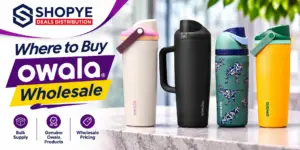 Where to Buy Owala Wholesale: Sourcing Guide for Sporting Goods and Gift Resellers The reusable water bottle went from commodity to cultural object in under a decade, and Owala rode that… Read guide →
 Where to Buy SadoTech Wholesale: Sourcing Guide for Home Improvement Resellers The wireless doorbell is the rare home product that sells itself in one sentence: no wiring, installs in… Read guide →
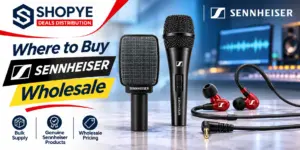 Where to Buy Sennheiser Wholesale: Sourcing Guide for Music and AV Resellers Pro audio is a category where the name on the microphone decides the sale before the customer hears… Read guide →
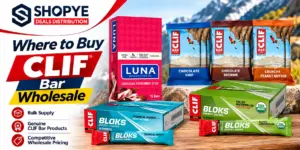 Where to Buy CLIF Bar Wholesale: Sourcing Guide for Grocery and Outdoor Resellers Energy bars are the rare grocery category that sells in the checkout lane, the gym bag, the trailhead,… Read guide →